Crude Oil Nears $110 as West Asia Supply Risks Intensify

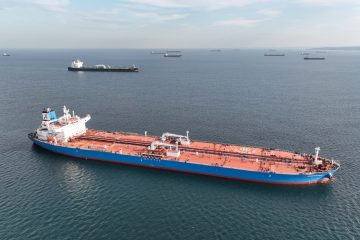
Crude oil prices are set for another week of volatility, as supply concerns in West Asia maintain market apprehension. The impasse in US-Iran negotiations exacerbates fears of potential disruptions, despite ongoing efforts to alleviate shortages providing some measure of relief, analysts noted. Investors will monitor weekly crude stocks data from the American Petroleum Institute, Cushing inventories, overall US oil stocks, and crude imports for indications regarding the supply-demand equilibrium. The Strait of Hormuz continues to be a significant source of uncertainty, as any disruption to shipments through this vital waterway poses a risk of further constraining global supplies. The domestic commodities market will remain closed during the morning session on Tuesday due to Dussehra. “Our outlook remains cautiously bullish, with price movements likely to be driven primarily by geopolitical developments and actual supply disruptions rather than headlines alone,” said Ajit Mishra. Recent declines in US crude inventories have offered further backing. A further escalation in geopolitical risks could push Brent crude toward USD 115-120 per barrel, Mishra stated.
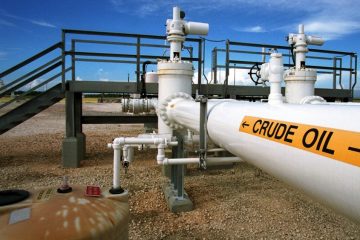
On the Multi Commodity Exchange, crude oil futures for November delivery increased by Rs 566, or 6.4 percent, over the past week to settle at Rs 9,394 per barrel. In international markets, Brent crude futures for December delivery increased by USD 5.14, or nearly 5 percent, over the week to settle at USD 109.86 per barrel, reaching the USD 110-level on Friday. West Texas Intermediate futures for the same delivery month increased by USD 8.01, or nearly 9 percent, closing at USD 99.02 per barrel. “Crude oil’s muted response to a series of bearish headlines signals a market increasingly dominated by physical supply constraints rather than policy-driven optimism,” Navneet Damani. He stated that G7 stock releases, a US-Russia diesel deal, and plans to ease sanctions on Moscow’s shadow fleet had raised expectations for improved supplies; however, these measures have not succeeded in inducing a sustained decline.
Logistical bottlenecks and an uneven recovery in supply persistently limit the availability of crude. The rise in West Asian exports during September was predominantly fuelled by Saudi Arabia. However, vessel attacks, Houthi threats, and limited capacity on alternative routes render regional flows vulnerable to additional disruptions. The absence of advancement in US-Iran relations, postponed shipments of Chinese crude, and an 8-million-barrel reduction in US inventories have contributed to apprehensions regarding supply, according to Damani. The International Energy Agency’s warning of prolonged diesel tightness has raised concerns regarding the availability of refined products. Both the IEA and US Energy Information Administration have forecasted a more comprehensive recovery in supplies by 2027, contingent upon production increases and reliable export pathways.
Mishra indicated that an escalation or damage to energy facilities in West Asia could elevate Brent prices by augmenting the geopolitical risk premium. US President Donald Trump’s executive order waiving key sanctions, restrictions, and tariffs on Russia and Iran has provided temporary relief to significant purchasers of Russian oil, including India, in the context of escalating energy prices. However, it does not eliminate the risk of supply disruptions if assaults on Russian energy infrastructure impact production or exports, rendering crude markets vulnerable to developments across various fronts.