Fuel Prices and Inflation Shape US Midterm Election Results
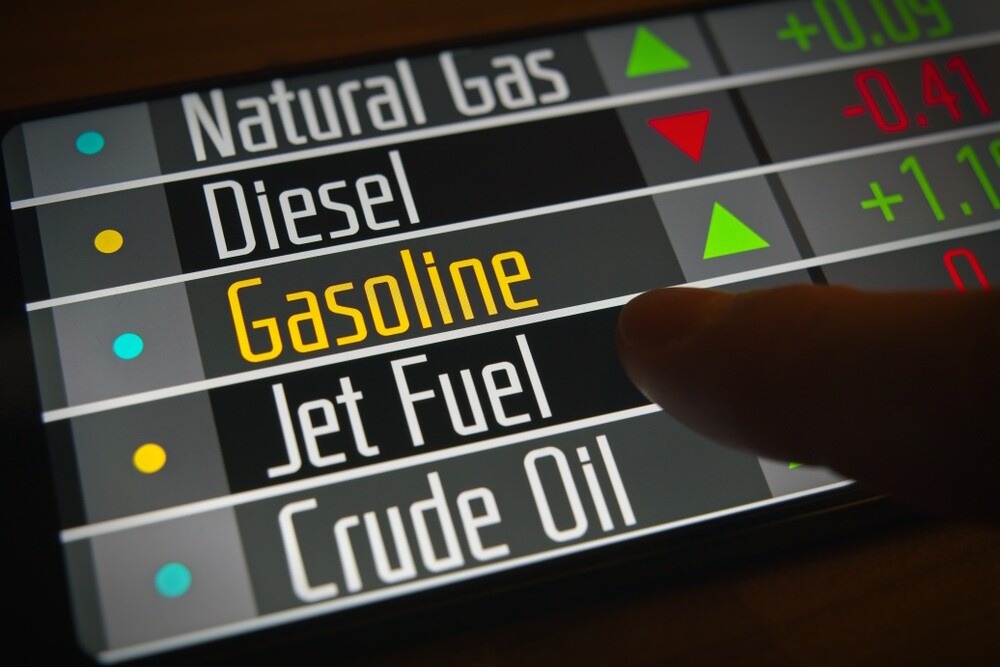
This American political axiom is worth keeping in mind when Democrats and Republicans alike reflect on the resounding victories of the 2026 midterms: “It’s the economy, stupid.” Democratic strategist James Carville famously said that to presidential candidate Bill Clinton in 1992, but he might have said “it’s energy prices” instead. When petrol prices go up, it becomes even more apparent that energy and politics go hand in hand since energy costs are fundamental to the economy. The midterm elections frequently alter the power dynamic in the nation’s capital and have a history of being challenging for sitting presidents. Neither the president nor Congress can do much about the many variables that influence petrol prices. The market dynamics of supply and demand determine the prices of crude oil and petroleum products like petrol on a worldwide scale. Given the path that oil takes to refineries, not even oil producers wield the sway that the general public gives them credit for: The Strait of Hormuz has been blocked or almost closed for most of 2026 due to the ongoing confrontation with Iran. Ocean tankers transport more than 60% of the world’s crude oil, with 20% of that supply passing via the narrow passage. Food and other commodities see price increases in tandem with energy costs. An increase in inflation, on a national and regional scale, may result from unexpectedly high petrol costs.
Those shifts have an effect on voters, who are less likely to re-elect incumbents. Petrol prices reached an all-time high during the 2026 midterm election. The Republicans found themselves in a challenging situation when they had to defend their record. During the midterm elections, four American presidents-Joseph Biden, Gerald Ford, Jimmy Carter, and Ronald Reagan-faced the fallout of high petrol prices and severe inflation. An energy crisis that escalated into a political issue was first faced by Richard Nixon, the first contemporary president. The Arab countries of the Organization of the Petroleum Exporting Countries reduced oil output and placed an oil embargo on the United States as a form of revenge for US backing for Israel during the Yom Kippur War in October 1973. From prewar levels of $4.31 per barrel to $10.31 per barrel in March 1974, crude oil prices soared 184%, while OPEC oil production declined by 5% per month. Petrol prices in the US rose by 32% despite Nixon’s federal price limits on petroleum.
In August 1974, Gerald Ford succeeded Nixon, who had resigned because to the Watergate scandal. Petrol prices remained high, while inflation stood at 12.3%. Right before that year’s midterm election, Ford launched the “Whip Inflation Now,” or WIN, campaign. But Republicans lost 48 House seats and five Senate seats. “WIN” didn’t work, and by the 1976 presidential election, gas prices were over 60 cents a gallon – adjusted for inflation to late 2026, that’s $3.49. Ford lost his reelection bid to Jimmy Carter. The average monthly price of unleaded petrol in the US remained high or even increased slightly throughout Carter’s first two years in office, beginning in 1977. In 1978, inflation reached 9%. A total of fifteen House seats and three Senate seats were lost by Democrats in the 1978 midterm election. As inflation kept rising, petrol prices doubled from 1976 levels by the time of the 1980 presidential election. Those numbers, together with the Iranian hostage crisis, contributed to Carter’s 1980 defeat at the hands of Ronald Reagan. Reagan instituted “Reaganomics” by doing away with lingering petroleum price controls, lowering taxes and regulations, decreasing government expenditure, and tightening monetary policy. Prices for crude oil and petrol in the United States fell from their all-time highs in the mid-1980s as a result of an oil glut caused by rising output from both OPEC and non-OPEC countries.
Republicans saw a loss of 26 House seats and a gain of 1 Senate seat in the 1982 midterm elections. Incumbents faced continued difficulties in the 1986 midterms, despite Reagan’s return to the President in 1984. Republicans suffered a loss of five House seats and eight Senate seats despite $15/bbl crude oil prices and 82 cent/gallon petrol prices. Crude oil prices increased by over 24% between January 2017, when Donald Trump was inaugurated, and October 2018, just before the midterm elections in his first term as president. Petrol prices also increased by 22%. Despite picking up two senatorial seats in 2018, Republicans saw a loss of forty-one members in the House. The US economy was impacted by COVID-19 restrictions throughout 2020. As the demand for petrol dropped by 40%, US crude oil production also fell. Due to supply chain bottlenecks caused by the epidemic, prices increased. The average price of unleaded petrol in the US increased by 66%, from $2.11 to $3.52 per gallon, between Election Day in November 2020 and Russia’s invasion of Ukraine in February 2022. Additionally, petrol demand surged, putting a strain on supplies, as the economy started to recover and epidemic restrictions were eased.
After becoming president in 2021, Biden moved quickly to rein in spiralling energy prices. In March of 2022, he released oil from the Strategic Petroleum Reserve, which the Treasury Department said contributed to a $0.17 to $0.42 per gallon drop in petrol prices. Nevertheless, other policy actions taken by Biden impeded efforts to augment energy supplies. The Keystone XL pipeline project, which was set to increase US petroleum imports, was cancelled by him. Additionally, he put a halt to new oil and gas leases in the Gulf of Mexico and Arctic National Wildlife Refuge. In addition, he reaffirmed the United States’ commitment to the Paris Climate Accord, a global agreement to reduce emissions of greenhouse gases and phase out the use of fossil fuels. A 40-year peak was achieved in June 2022, when inflation hit 9.1%. And the price of petrol in the United States hit a record high of $4.929 a gallon; that amount would be $5.60 per gallon now if inflation were to be considered. Despite losing one Senate seat and nine House seats, Democrats did not suffer as much as they had expected in the 2022 midterms. That serves as a timely reminder that voters consider more than just energy prices when making their decisions. Crude oil prices dropped 4.5 percent in the first year of Trump’s second term, US oil production increased 3.3 percent, from 13.3 million to 13.7 million barrels per day, and the national average price of regular unleaded petrol dropped 4.5 percent, from $3.12 to $2.98 per gallon, according to AAA.
U.S. military operations against Iran on February 28, 2026, halted oil production in the Middle East and halted transportation in the Strait of Hormuz for oil tankers. The amount of shipments initially fell, but by the end of September it had climbed back up to 82% to 92% of what it had been before the conflict. Increased pipeline use out of Saudi Arabia and the UAE has contributed to Middle Eastern crude oil exports surpassing prewar levels, which are averaging around 24 million barrels per day. As of November 3, 2026, the national average price of unleaded regular petrol according to AAA has jumped from $2.98 in February to $4.15 in the current year, an increase of about 40% due to the conflict with Iran. Voters blamed Trump for the high cost of groceries and petrol, as well as for the unpopular war, just as predicted by the pre-election polls. It served as a timely reminder of a fundamental political and economic principle: when times are good, people are more inclined to back the status quo and the parties that control them. In addition, voters who have a negative outlook on the future of the economy are more likely to cast ballots that oppose the incumbents and the parties they represent.