West Asia supply worries cut oil prices but boost them weekly
Oil prices experienced a decline on Friday; however, they were on track for weekly gains due to uncertainties surrounding Middle East supplies and a larger-than-anticipated reduction in US crude stockpiles. Meanwhile, European diesel margins fell following the IEA’s decision to increase diesel releases. Brent crude futures declined by 47 cents, representing a 0.44 percent decrease, settling at $105.45 per barrel as of 0747. Meanwhile, US West Texas Intermediate crude futures fell by 62 cents, or 0.63 percent, to $97.35. WTI concluded the trading session with an increase exceeding 3 percent on Thursday, following a significant draw in US crude stocks attributed to production shut-ins caused by hurricanes.
For this week so far, Brent has increased by 0.72 percent, while WTI has surged by 5.9 percent. “Uncertainty in the Middle East and concerns over the sustainability of oil flows through the Strait of Hormuz has the market pricing in a significant risk premium,” analysts wrote in a note. Some form of accord between the US and Iran was deemed necessary to instill greater assurance in the market regarding the continuity of robust oil supplies from the region, they noted. Supply jitters have escalated as attacks in the vicinity of the Strait of Hormuz have surged over the past 10 days. Iran has indicated that it is intensifying strikes in retaliation to the US blockade of its ports and the more stringent sanctions implemented last month. Total Hormuz clearance averaged 11.62 million barrels per day over the seven days to October 13, approximately 68 percent of the 17.15 million bpd baseline, according to ship tracking firm Kpler.
European diesel refining margins experienced a decline of nearly 2 percent on Friday, settling at $78.67 a barrel. This drop followed the International Energy Agency’s decision on Thursday to release more than 20 million barrels of diesel into the market. Those margins increased to $95 a barrel in September due to a tightening diesel supply, influenced by conflicts in Ukraine and Iran. “Intensified Iranian attacks drove Gulf crude flows sharply lower,” Kpler analysts said in a report on Thursday, adding that they expected a slower and more uneven Hormuz recovery in the absence of a comprehensive political deal. The Houthis launched missiles targeting the presidential palace complex in the southern city of Aden on Thursday, resulting in the deaths of two guards.
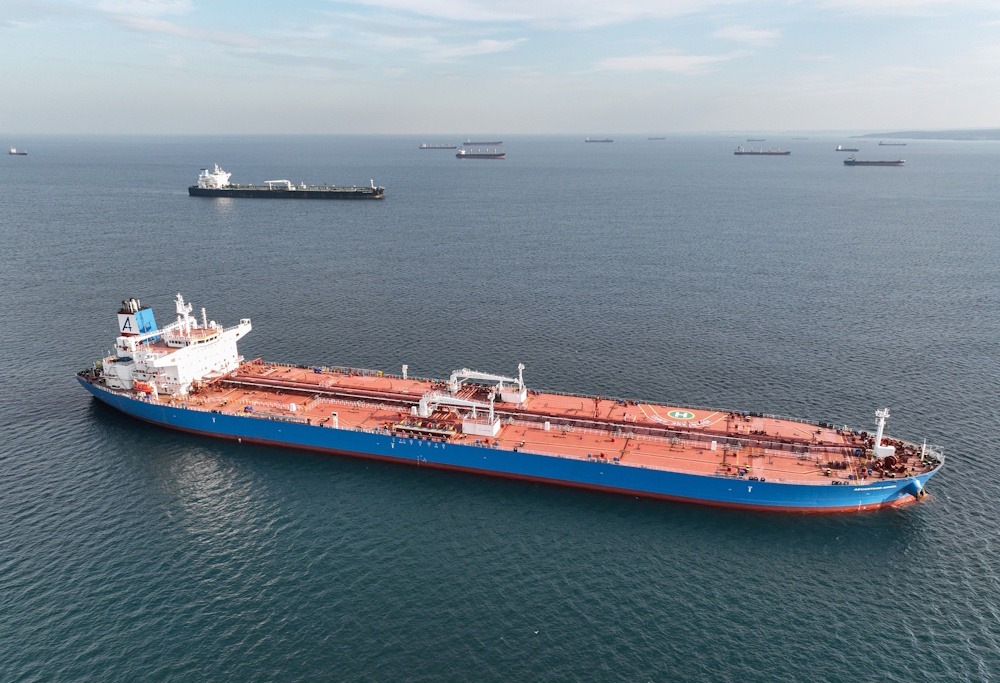
Concurrently, the Saudi-led coalition in Yemen reported numerous assaults on Saudi infrastructure amid the intensifying conflict. The Trump administration is contemplating the removal of sanctions on certain vessels associated with the shadow fleet that have transported oil and petroleum products from nations including Russia, Iran, and Venezuela, in an effort to mitigate record global freight rates, a US official stated on Wednesday. The discussions arise shortly after President Donald Trump enacted a temporary suspension of sanctions on Russian diesel fuel, a decision that has drawn criticism from Ukrainian President Volodymyr Zelenskiy, various European nations, and a segment of Trump’s Republican colleagues.