Trump threatens 40% China tariffs to maintain influence over Xi
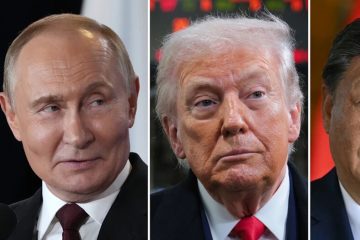
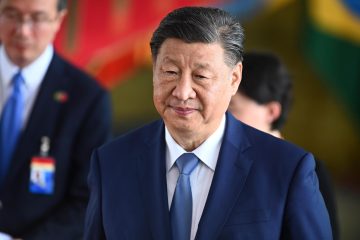
China pledged to safeguard its interests following the announcement of new tariffs on Chinese products by the US, cautioning that the tariff rate could potentially double should trade negotiations fail. This development adds a layer of tension in advance of the upcoming meeting between Donald Trump and Xi Jinping. While the new 20% levy remains within the confines of a trade truce set to expire in January, the looming threat of a 40% rate-triggered by a potential breakdown in trade negotiations-provides Washington with leverage as it approaches next month’s Group of 20 summit, where the two leaders are anticipated to convene for the fourth time this year.
The US announced new tariffs on China and other trading partners Wednesday, following months of investigations into excess manufacturing capacity. The tariffs remain open to public commentary and may be subject to modification. “Partners have been waiting for this shoe to drop for some time,” said Wendy Cutler, adding that the US is using the prospect of higher tariffs as “leverage to secure expected shipments of critical minerals and rare earths, and further purchases of US agricultural goods.” The new duties represent the most recent initiative by the Trump administration to reinstate its broad tariff strategy following the US Supreme Court’s decision to invalidate previous levies on imports from China and numerous other countries. The proposal would establish China’s average effective tariff rate at approximately 31%, close to the level prior to the ruling, based on estimates.
While bilateral ties are likely to remain stable if the duties stay in the 20% range – a level China has previously indicated it would accept – the 40% threat will influence how Beijing responds to US chip curbs and other frictions in the coming weeks as both sides negotiate an extension of the truce. Any miscalculation could swiftly complicate negotiations, especially with a more hawkish US Congress advocating for stricter export controls on Beijing. The US has not clearly defined the specific conditions that would lead to the implementation of a more significant increase in measures against China. A US official, speaking on condition of anonymity ahead of Wednesday’s announcement, indicated that the elevated rate may be implemented should Beijing fail to adhere to the trade agreement established last year.
At a regular briefing Thursday, Chinese Commerce Ministry spokesperson He Yadong called the US Section 301 investigation that led to the new tariffs “a quintessential act of unilateralism” and urged the two sides to use dialogue to resolve their differences. Beijing “reserves the right to take necessary measures to resolutely defend its legitimate rights and interests,” He added. In July, the Office of the US Trade Representative declared a 12.5% duty on China subsequent to a Section 301 investigation into the purported inability of approximately 60 economies to avert forced labour within their supply chains. Tariffs imposed under Section 301 of the Trade Act of 1974 are typically regarded as possessing greater legal robustness and adaptability compared to alternative measures contemplated by Trump; however, their implementation tends to be more time-consuming. “The rate of 20% should be seen as a cap on the two Section 301 investigations,” said Deborah Elms.
“This gives USTR more flexibility to adjust, which is especially useful when there might be a court ruling on forced labor which could ask for changed rates.” Businesses and US states are contesting tariffs related to forced labour issues in court, alleging that Trump and US officials have improperly employed Section 301 to substitute previous tariffs that were either invalidated by the US Supreme Court or had lapsed. The recent announcement regarding tariffs follows closely on the heels of the meeting between Trump and Xi at a summit of Asia-Pacific economies held in Shenzhen just a week prior. Both leaders seemed to rely significantly on their personal relationship to maintain stable relations between their nations, although new tensions have surfaced regarding the purported espionage scandal involving Nvidia Corp. CEO Jensen Huang, along with recent US restrictions on offshore chip access for Chinese firms.