WGC: Central banks ramp up gold purchases like never before in 2024

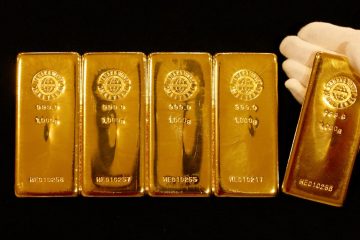
Central banks acquired gold at the most rapid rate since the conclusion of 2024 during the third quarter, despite the metal experiencing pressure from rising oil prices and interest rates. The institutions accumulated a net 321 tonnes in the three months through September, according to a report released by the World Gold Council on Tuesday. Following a sluggish beginning to 2026, the year-to-date purchasing estimate reached 675 tonnes, marginally surpassing the corresponding timeframe from the previous year. The figures highlight the pivotal role of central banks, which have been a significant factor in bullion’s multiyear ascent to a record high in January, continuing to provide essential support to prices in an otherwise lacklustre market.
The metal has experienced a decline of approximately 25% in its value since the onset of the Iran war in late February, driven by increased energy costs that have heightened expectations for a more stringent monetary policy, presenting a challenge for the non-yielding metal. Weaker gold prices during the quarter likely prompted an increase in purchases by some central banks, according to John Reade. For central banks holding a pessimistic view on the US dollar, the recent rally of the greenback may have rendered the prospect of reallocating some reserves into gold more attractive, he stated. “If you think the dollar is going to be falling in the long term, and you own short-dated Treasuries and they’re rolling off, then maybe you’re taking some of those expensive dollars and buying gold with them,” Reade said.
Nearly two-thirds of the projected central-bank purchases were not revealed by the monetary authorities themselves. Consultancy Metals Focus Ltd. computes acquisitions for the council by employing a blend of public data, trade statistics, and field research. In the most recent quarter, China and Poland emerged as the largest disclosed purchasers, acquiring 63 tonnes and 41 tonnes, respectively. Russia was the sole significant seller, divesting 19 tonnes during the period. Gold has experienced a downward trend in recent months, as ongoing conflict in the Middle East exerts upward pressure on crude prices and interest-rate expectations.
Inflows into gold-backed exchange-traded funds have demonstrated significant strength, with holdings increasing by 211 tonnes to reach a record level in the third quarter, according to the reports. Jewellery demand decreased by 17% to 313 tonnes, marking the weakest third quarter recorded by the council since 2000. This decline can be attributed to tax changes in India and China, coupled with rising prices, which have led consumers to favour lighter and lower-carat pieces.