IEA: Gulf Exports Boost World Oil Market Surplus
The International Energy Agency indicated on Friday that the global oil market is poised to revert to a surplus in the fourth quarter of this year, as exports from the Middle East are rebounding more swiftly than the overall demand for oil, notwithstanding ongoing assaults on shipping routes. The agency also provided additional information regarding the remaining volumes to be released from a historic drawdown of oil from its members’ emergency reserves, which was pledged in March. It stated that 71 million barrels would be accessible by the end of February, including 15 million barrels of diesel aimed at alleviating market tightness.
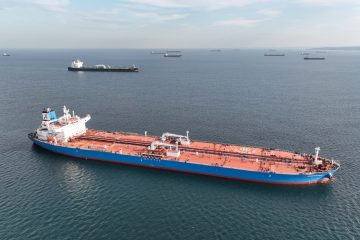
Oil supply is projected to average 105 million barrels per day in the fourth quarter, according to a monthly report from the Paris-based agency that advises industrialised countries. This figure represents an increase of 1.7 million barrels per day compared to the forecasted demand. The IEA had previously projected a supply deficit for the fourth quarter. “The oil market is showing tentative signs of rebalancing, with global oil supplies surpassing demand for the first time since the outbreak of the war in Iran,” the agency said in the report. Oil prices reversed earlier gains following the release of the IEA report at 0900. Brent crude was last down 0.1% at $95.71 a barrel. The report indicates that Gulf oil producers are regaining exports that were hindered since the onset of the war in late February. They are employing strategies such as dark crossings through the Strait of Hormuz, where tankers disable tracking signals to avoid potential attacks.
The OPEC+ group, comprising the Organization of the Petroleum Exporting Countries and allies including Russia, reported a crude oil production of 41.23 million barrels per day in October. This figure represents an increase of approximately 2.04 million barrels per day from September and accounts for 97% of the production levels observed in February prior to the conflict. Other analysts have similarly projected a resurgence of excess supply, notwithstanding the absence of a resolution to the Iran conflict and the ongoing tanker assaults in the Gulf. JPMorgan last week projected a global surplus of 1.4 million bpd for October. Elevated oil prices have simultaneously dampened demand this year, contributing to a shift toward a surplus. World oil demand is projected to decline by 2.7 million bpd in 2026, reaching 102.3 million bpd, before experiencing a rebound of 2 million bpd in 2027, according to the IEA, reflecting minimal adjustments from earlier forecasts.
In addition to the increasing output from OPEC+, the IEA highlighted a rise in supply from outside the organization. According to the IEA, production from the United States, Canada, Brazil, Argentina, and Guyana is projected to increase by 1.6 million barrels per day this year. In 2027, global supply is anticipated to increase by 6.6 million bpd, reaching a total of 108.1 million bpd, primarily driven by a continued recovery in Gulf production. Nonetheless, the supply growth forecast for 2027 has been revised down by 1.1 million bpd compared to last month’s report, with the IEA attributing part of this lower outlook to a downward revision from Iran. Iran faces a US blockade that has restricted its oil exports. For 2027, the IEA projects the supply surplus to be approximately 3.8 million bpd, a slight decrease from the 3.94 million bpd surplus reported last month.