S&P considers downgrading Nvidia’s rating due to governance issues
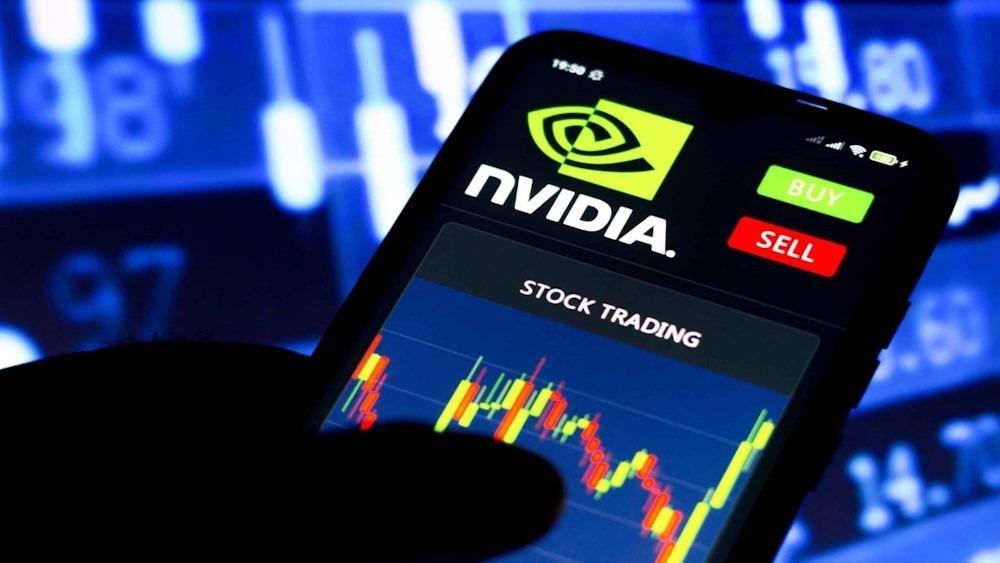
S&P Global Ratings is considering a downgrade of Nvidia Corp.’s credit rating by one notch, pointing to concerns regarding the company’s management and governance in light of the departure and subsequent return of Chief Executive Officer Jensen Huang. The bond grader indicated that it may lower Nvidia’s AA rating, the third-highest level, following a 90-day review, which is referred to as placing the company on CreditWatch with negative implications. S&P indicated that it anticipates any downgrade would be confined to a single notch, unless the company’s future business prospects are adversely affected. Bond downgrades can elevate a company’s borrowing costs, a significant issue in the artificial intelligence sector, where capital access is essential for maintaining competitiveness. Nvidia is a pivotal entity in the AI ecosystem, as its products serve as a foundational element for much of the ongoing developments in artificial intelligence. Hyperscalers and neoclouds acquire Nvidia chips for their data centers, subsequently offering computing power to laboratory firms such as Anthropic PBC. Nvidia serves as a significant source of capital for numerous firms operating within the artificial intelligence sector.
Nvidia’s board reinstated Huang on Monday, a mere two weeks after his departure from the company amidst a cloud of scandal. He had engaged in several extramarital affairs, including at least one with a subordinate and another with a woman who has been investigated by the US government for alleged espionage on behalf of China. His return signified a deviation from conventional corporate governance practices. Meanwhile, the company has attracted attention due to its connections with China and concerns regarding its adherence to chip export regulations. “News regarding the CEO and questions regarding potential export control violations have exposed vulnerabilities in Nvidia’s management and governance framework, especially in regard to its board structure, composition, and effectiveness,” S&P said. Nvidia possesses approximately $32.5 billion in bonds within the US high-grade corporate bond index, as per Bloomberg index data.
The ongoing fluctuations regarding Nvidia’s leadership have significantly impacted stocks and bonds in recent weeks, with Huang’s position within the company regarded as vital not only for Nvidia’s future but also for the overall development of AI infrastructure. US President Donald Trump has advocated for the reinstatement of Huang at Nvidia, asserting that his management does not pose a risk to national security. Huang has issued an apology to employees and indicated that he is undergoing therapy. Nevertheless, the narrative is expected to continue, as Huang is scheduled to provide testimony in congressional hearings next month. S&P’s action follows a similar decision by Moody’s Ratings, which downgraded Nvidia’s outlook to stable from positive last week, attributing the change to governance issues stemming from Huang’s removal.
The shift in outlook indicates that Nvidia’s Aa1 credit grade, which is the second-highest investment-grade rating, is unlikely to receive an upgrade in the next 12 to 18 months, according to a statement from Moody’s. On Wednesday, Moody’s maintained its outlook, stating that “governance and regulatory uncertainty remains” following Huang’s return to the company. A key measure of Nvidia credit risk reached a new peak on Wednesday as concerns regarding AI-related debt intensified. The cost to protect the company’s debt for five years against default increased by as much as 6 basis points to 147.27 basis points annually, marking an intraday record, according to ICE Data Services.