US bans Megaspeed, Nvidia chip-smuggling suspect
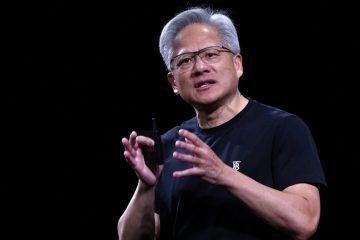
The Trump administration placed Megaspeed International on a US trade blacklist, preventing it from acquiring advanced artificial intelligence chips. This action specifically targets a Singapore-based firm central to the scandal that momentarily jeopardised Jensen Huang’s position at Nvidia Corp. In a filing on Monday, the Commerce Department took steps to officially include the company founded by Chinese spy suspect Alice Huang on its entity list, a classification that would limit the company’s ability to acquire AI chips and other advanced technologies without obtaining a license from the US government. The listing also identified a Singapore-based unit of Alibaba Group Holding Ltd., leading the e-commerce giant-turned AI developer to refute any claims of having diverted restricted semiconductors. Revelations this month regarding Jensen Huang’s affair with Alice Huang have renewed attention on allegations that Megaspeed may have been involved in the smuggling of Nvidia’s artificial intelligence chips into China. The episode raised enquiries regarding the extent to which Commerce had been diligently enforcing US export controls aimed at preventing sensitive technology from reaching adversaries.
Completing the list were five additional entities from Southeast Asia, among them a Malaysian subsidiary of Megaspeed known as Speedmatrix, all included due to US apprehensions regarding their activities potentially endangering national security. “These additions are being made because of the significant risk of these entities being or becoming involved in the diversion of advanced computing commodities to unauthorised end uses or end users,” the Commerce Department’s Bureau of Industry and Security, which oversees export controls, said in the filing. Megaspeed did not provide an immediate response to a request for comment regarding its inclusion on the entity list. It has previously refuted allegations of misconduct and asserted its adherence to all relevant US and local regulations concerning the shipment of advanced technology. Commerce announced its decision shortly after Nvidia’s board reinstated Huang as CEO, marking a remarkable turnaround from his dismissal less than two weeks prior. Huang resigned following the acknowledgement of several extramarital relationships, notably with Alice Huang, a former senior executive at Megaspeed, who was under suspicion by US authorities for espionage activities linked to China.
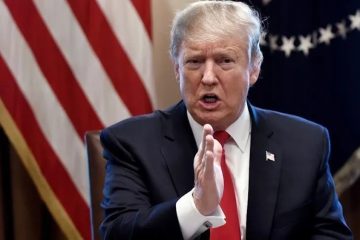
Jensen Huang’s reinstatement as CEO of Nvidia followed an intervention by President Donald Trump, who assured the chipmaker’s board that there would be no national security concerns associated with the return of the co-founder to the company he established over thirty years ago. Trump had expressed his desire for Huang to return as Nvidia chief, stating publicly that he viewed it as essential to US economic security. Following the spinoff of a Chinese gaming enterprise known as 7Road, Megaspeed gained significant attention during the AI boom. However, for over a year, the US government has been scrutinising its ownership structure and investigating allegations of smuggling Nvidia chips into China. The Justice Department has been investigating Jensen Huang’s association with Alice Huang, who reportedly maintained communication with China’s leading intelligence agency for over a year during her romantic involvement with the Nvidia CEO, as per reports. Megaspeed has announced that Alice Huang departed from the company in August 2025. She is currently in China with the awareness of the government in Beijing, as reported by source.
In a joint statement released last week, the Justice and Commerce Departments offered a notable update regarding their investigations into possible export control violations by Megaspeed. The agencies indicated that the US inquiry commenced in 2024, and in May 2025, officials from Commerce had solicited sales records of Megaspeed from Nvidia. In June of the previous year, Nvidia reportedly designated Megaspeed as part of its no sell list, according to the agencies. However, the Bureau of Industry and Security, which oversees the enforcement of regulations limiting chip sales to China, did not include the firm on its own blacklist. Around the same time, the BIS reported that its agents performed an end-use check of Megaspeed and conducted an interview with Alice Huang, who is currently in China. Commerce officials faced mounting pressure from US lawmakers to list Megaspeed, who capitalised on the upheaval at Nvidia to demand clarity regarding the enforcement of export restrictions. Last week, Republican Senator Pete Ricketts introduced legislation mandating that the Commerce Department make a determination within 30 days regarding the potential blacklisting of Megaspeed, while also imposing interim restrictions during that period.
Adding to the tension, Treasury Secretary Scott Bessent had publicly blamed Commerce Secretary Howard Lutnick in recent weeks for failing to put Megaspeed on the entity list. “Many other departments were pushing for this, and Commerce had the pen,” Bessent said on the day after Huang’s resignation. Before his departure last week for a trip to Asia, where he was scheduled to participate in a series of regional summits, Trump publicly expressed his support for Lutnick. He indicated that he comprehended both sides of the issue and noted that his Commerce Secretary was merely exercising caution to avoid provoking China. Enthusiasm for the entity listing has diminished among certain proponents of a more stringent approach to China, including Chris McGuire, a former National Security Council official. He raised concerns about whether the language was crafted in a manner that would permit the US to prevent the sale of AI chips to Megaspeed entirely. The interim rule published Monday diverged from prior entity listings aimed at AI chip acquisitions from blacklisted firms by omitting a footnote typically included to clarify that foreign-produced items are subject to export bans if they incorporate US technology.
That prompted McGuire to enquire whether the measure possesses sufficient authority to prevent the identified firms from acquiring AI chips, a viewpoint that BIS officials dismissed. “It is now unlawful to export any advanced SI chips to Megaspeed, even if the chips are produced outside the United States,” Thomas Wackman said in a statement, using Trump’s preferred term of super intelligence to refer to AI. A Commerce official stated that there is no necessity for the BIS to incorporate a provision granting the US extraterritorial authority for the rule to exert influence, as current regulations already possess that authority concerning advanced computing, thereby placing all AI chips exported overseas under BIS jurisdiction. Megaspeed’s blacklisting represents the most recent action taken by the administration to reinforce its export control measures following the Nvidia scandal. Last week, the Commerce Department introduced a regulation aimed at restricting Chinese companies’ access to Nvidia’s AI chips in data centers situated beyond China’s borders.
The measure mandates that data center operators in Singapore, Malaysia, Thailand, Indonesia, and Brazil secure a US government license prior to exporting advanced AI chips from Nvidia and other American manufacturers to clients in these nations. The Commerce Department indicated that the rule was “written by and at the direction” of the Treasury Department and the National Security Council, implying that external pressures from officials beyond Commerce significantly influenced its issuance. The licenses require approval on an individual basis. In the wake of the Nvidia scandal, bipartisan support is coalescing among lawmakers to advance legislation aimed at restricting China’s access to AI chips and semiconductor manufacturing equipment, with potential passage anticipated within weeks. Bipartisan export-control bills such as the AI Overwatch Act, the Chip Security Act, and the MATCH Act are set to be incorporated into year-end defence legislation, with support from leading AI developers including OpenAI.