US midterms’ Democratic victory could hurt AI boom
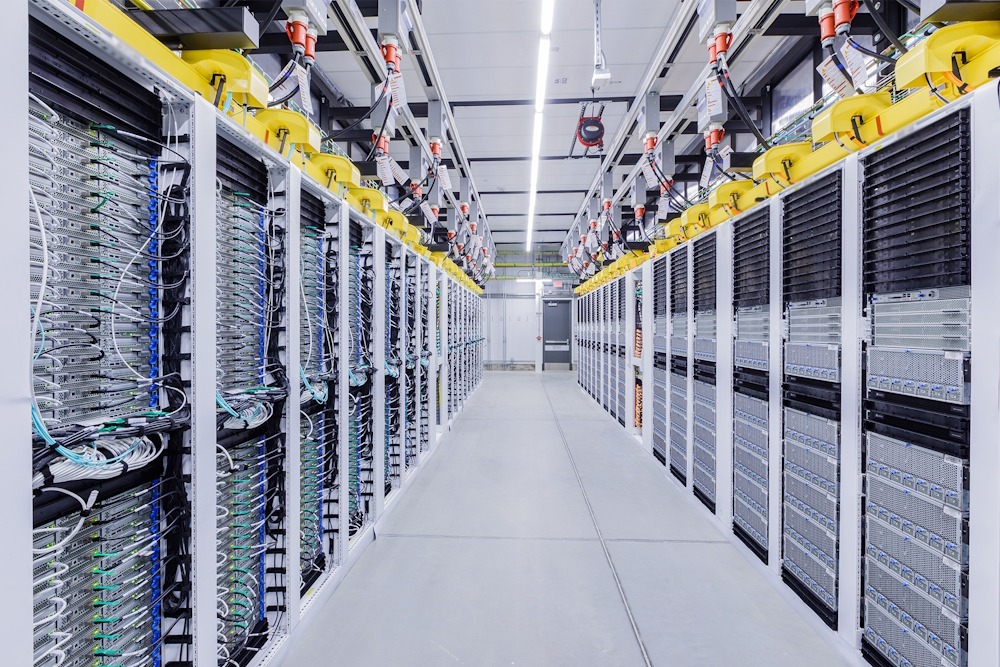
Several Democratic leaders in the US have advocated for stricter regulations on artificial intelligence development and data center construction in the wake of the party’s robust performance in the November 3 midterm elections. The results have bolstered the stance of politicians who have resisted the swift expansion of data centers, highlighting apprehensions regarding their substantial electricity consumption, environmental repercussions, escalating energy costs, and implications for local communities. This opposition could present difficulties for technology firms that have made substantial investments in AI infrastructure. Senator Bernie Sanders, an independent from Vermont who aligns with the Democrats, has advocated for a moratorium on new data center development across the nation following the election. In a post on X, Sanders pointed to local ballot measures across the country in which voters supported restrictions on data centre projects. “National data center moratorium now,” he wrote in the post. “Americans don’t want Big Tech oligarchs wrecking the environment, gutting jobs and threatening humanity’s future.”
Representative Yassamin Ansari asserting that it ought to be a priority for the party’s substantial majority in the House of Representatives from the outset of the new session. Representative Greg Casar, a Democrat from Texas and chair of the Congressional Progressive Caucus, endorsed her demand, replying to her post with, “Yes!” Democratic leaders have articulated that decisions regarding substantial infrastructure projects ought to engage local communities rather than being dictated by technology firms and affluent investors. Opposition to data center expansion surfaced as a significant concern in various local and state-level contests during the midterm elections. According to source, data center development was a prominent issue in elections across at least 40 jurisdictions in 10 states. Voters sanctioned almost all initiatives aimed at instituting a temporary pause or imposing limitations on new developments. In Ohio, a minimum of 14 municipalities have enacted bans or restrictions concerning the development of data centers. In Maine, eight municipalities have cast their votes in favour of implementing temporary moratoriums. Voters in Emporia, Kansas, have also sanctioned a prohibition on high-impact data centers.
The issue garnered attention as communities expressed concerns regarding the resources necessary for the operation of these facilities. Data centers are significant consumers of electricity and water, and their construction can have implications for local infrastructure and the environment. The poll revealed that 56 percent of voters regarded AI and data centers as an important or major issue influencing their voting decisions. Among these voters, 65 percent indicated that they had cast their ballot for a Democratic candidate for Congress. US President Donald Trump has endorsed the growth of data centers, characterising them as crucial to the nation’s technological supremacy and economic advancement. His administration has also advocated for accelerated advancement of AI infrastructure. Democratic candidates incorporated these concerns into their campaigns, advocating for enhanced oversight and limitations on new projects. Texas was one of the most scrutinised states due to its significance in the data center sector. According to source, approximately 25-30 percent of the anticipated US data center capacity is projected to originate from the state.
Democrat Gina Hinojosa pledged to halt new data center approvals until legislation aimed at safeguarding residents could be enacted. “When I am governor, I will issue a moratorium, a ban, on all data center approvals until laws can be passed by the legislature to protect Texans,” she said in a video posted on X in October. She added, “This is about one fight. Is this going to be a Texas that is by and for the people, or is this the billionaire’s world and we just live here? Data centres are part of that fight.” Democratic candidates in various states have similarly brought this issue to the forefront. Pennsylvania Governor Josh Shapiro, who signed an executive order in August to decelerate data center development, asserted that local communities ought to have the ultimate authority over such projects. In her victory speech, South Carolina Democrat Annie Andrews criticised the influence of technology companies and affluent investors on local decision-making. “I do not work for data centers,” Ohio Democrat Sherrod Brown said in his victory speech after defeating Republican incumbent Jon Husted in the Senate race. The Democrats’ victory in the midterm elections has sparked apprehensions among investors regarding prospective expenditures on AI infrastructure, resulting in a significant decline in technology and semiconductor equities.
According to source, US technology stocks experienced significant declines on Thursday. The tech-heavy Nasdaq Composite experienced a decline of 5.5 percent, while the S&P 500 saw a decrease of 4.4 percent, and the Dow Jones Industrial Average fell by 3.4 percent. The sell-off resulted in an estimated loss of $2.5 trillion in market value from the Nasdaq, as reported. Semiconductor companies ranked among the most adversely impacted. Nvidia shares experienced a decline of approximately 9 percent, whereas Advanced Micro Devices saw a more significant drop of over 17 percent. The Philadelphia Semiconductor Index experienced a decline of 12 per cent, representing its most significant single-day decrease since April 2025, according to a report. The selling pressure extended to Asian markets on Friday. Japan’s Nikkei 225 faced downward pressure, as shares of South Korean chipmakers SK Hynix and Samsung Electronics also experienced a decline.