China says Huang’s Nvidia return won’t stop ‘malicious’ US pressure
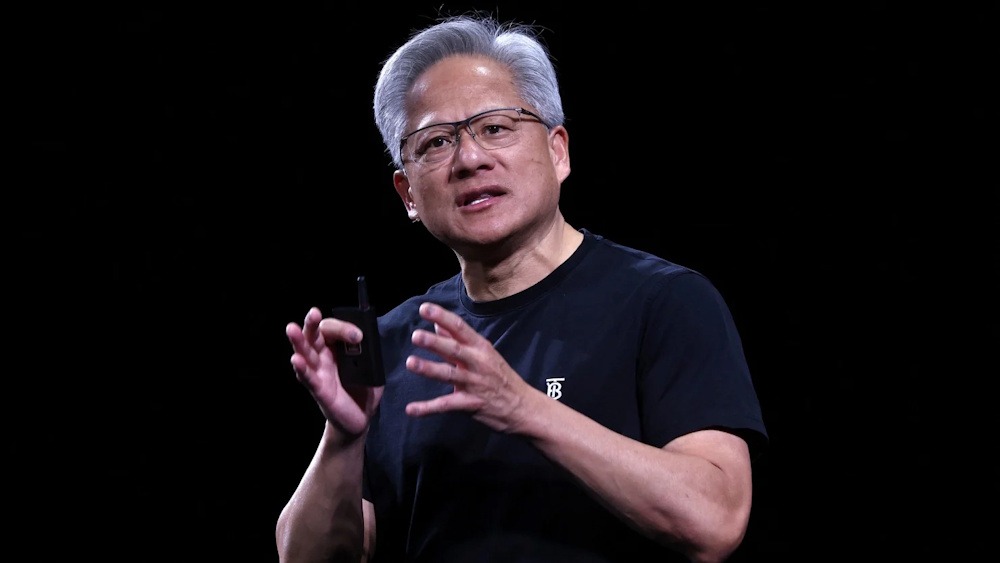
Jensen Huang’s return to the leadership of Nvidia Corp. reinstates the AI sector’s most notable adversary of chip regulations targeting China. Beijing has indicated that it perceives minimal justification for anticipating a relaxation of Washington’s restrictions. Chinese state media promptly issued a warning regarding the resurgence that ensued after Donald Trump’s involvement. Less than three hours following the board’s announcement of Huang’s reinstatement, released a commentary advocating for China to “remain vigilant.” And “It is foreseeable that the malicious attempts to sow discord in China-US relations will not automatically disappear simply because Huang has been reinstated,” said the article, published after midnight in Beijing. The next round of “witch hunts” could include investigation letters, delays in export licenses and congressional hearings, it added.
The comments indicate a probable discomfort in China regarding the extent of anti-China sentiment revealed by Huang’s downfall. His return also does little to address a more pressing issue: how to react to extensive new US limitations on access to advanced Nvidia chips while navigating the potential expiration of a trade truce on January 10. An immediate test of Beijing’s response arrives on Friday, coinciding with the expiration of its suspension on the ban regarding exports of gallium, germanium, and antimony to the US. China lifted the ban following the trade truce reached between Presidents Xi Jinping and Trump in South Korea last year. China implemented a ban against the United States in December 2024 following Washington’s imposition of stricter regulations on its semiconductor sector. The minerals are essential for a variety of products, including semiconductors and ammunition, and China’s control over their production provides Beijing with significant leverage over US supplies.
Permitting the suspension to lapse would enable Beijing to respond without the need to declare additional restrictions. China’s Commerce Ministry has issued a warning to the US regarding unspecified countermeasures should Washington continue with the curbs, simultaneously urging the Trump administration to address differences through dialogue. “Huang’s reinstatement may influence the timing and tone of Beijing’s response, but I would expect limited change in its underlying calculation,” said Sun Chenghao. “For Beijing, the decisive question is whether Washington changes the restrictions themselves.” The US regulations aim to restrict Chinese firms’ access to semiconductors by controlling their operations through foreign data centers and shipments from Singapore and various other nations. Strict enforcement could sever a significant source of computing power essential for the development of advanced AI models, as China endeavours to close the gap with leading American laboratories.
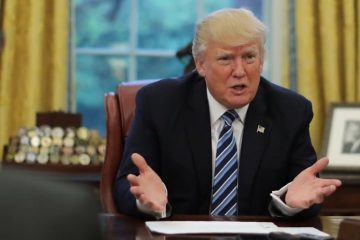
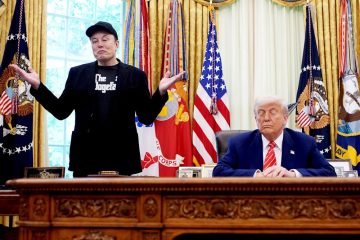
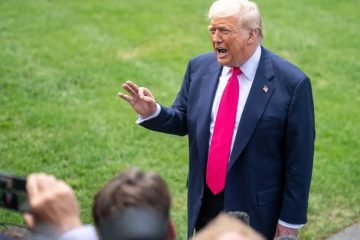
There are already indications that Huang’s return has had minimal impact on Washington’s ongoing crackdown. On the day his reinstatement was announced, the Commerce Department took action to blacklist Megaspeed International, the Singapore-based company implicated in the scandal that resulted in Huang’s initial removal, along with several associated entities. US lawmakers have also criticised Nvidia’s decision and vowed to pursue congressional investigations. Republican Senator Tom Cotton, a prominent China hawk, said Congress would pass a series of “overwhelmingly bipartisan” chip export-control bills “one way or the other.” And “This is not a sign of softening US technology policy toward China. Congressional momentum toward tighter restrictions is still moving ahead. If anything, the controversy could have the opposite effect: intensifying scrutiny of Nvidia and its relationship with the administration,” said Lizzi C. Lee. Trump’s successful push to reinstall Huang provides Beijing with a degree of vindication for its efforts to cultivate ties with the president, despite ongoing tensions between the two nations regarding technology restrictions.
“Donald Trump remains the most influential political figure in America and, in many respects, the most consequential variable in the trajectory of US-China relations,” said George Chen. That strategy was on full display last week, when China lavished hospitality on Trump during his visit to Shenzhen for the Asia-Pacific Economic Cooperation summit. Xi broke nearly five decades of precedent to greet his US counterpart on the tarmac and praised Trump’s effort to steady bilateral ties as “one for the history books” during their third summit of the year. Some Chinese commentators are already depicting Huang’s return as proof that Trump still possesses the ability to deliver, notwithstanding his party’s midterm election setbacks. “It marks that President Trump has steadied his position after the midterm election debacle and rebuilt his defensive line,” Hu Xijin wrote on X.