There will be a $2 trillion deficit in the next midterms
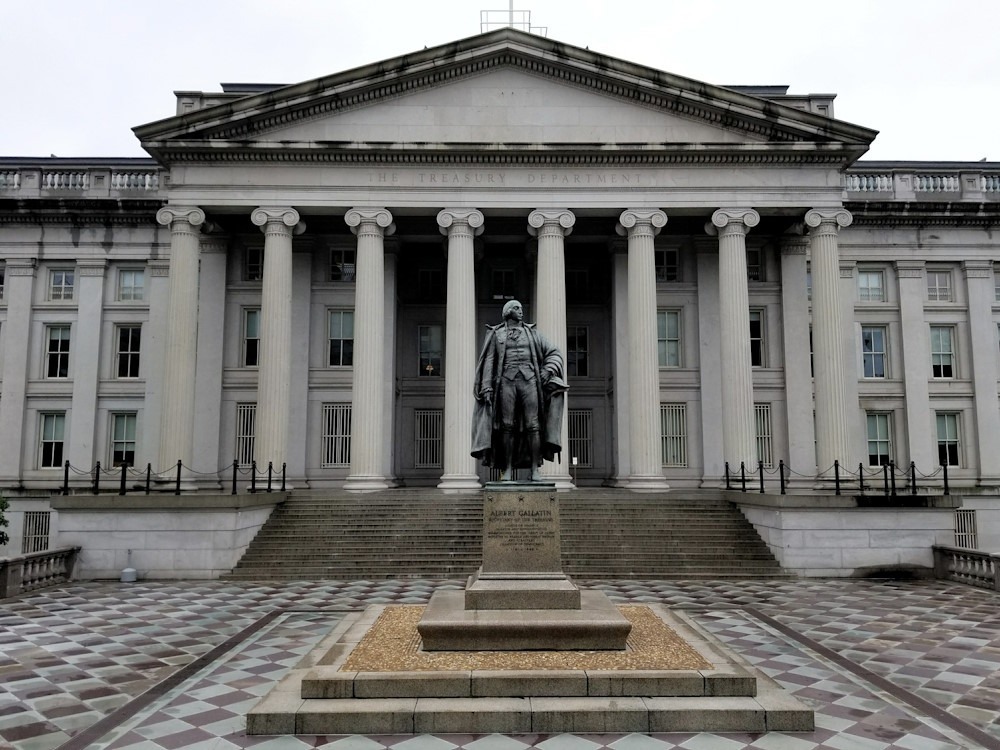
The federal budget deficit increased to almost $2 trillion for the previous fiscal year, which concluded on September 30, as reported by the Treasury Department on Friday. It represented the most substantial annual deficit since 2021, a period marked by the peak of the pandemic, when the federal government provided assistance to sustain both the economy and the American populace. This past fiscal year’s deficit increased by 12% compared to the previous year’s $1.78 trillion gap. Net interest payments on the public debt exceeded $1 trillion for the first time, influenced in part by the country’s soaring debt levels and elevated interest rates. The United States allocated a greater amount of funds to interest payments than to any category aside from Social Security and Medicare. The deficit also expanded as the Trump administration was compelled to issue refunds following the Supreme Court’s determination that specific global tariffs it enacted were in violation of federal law. The Treasury Department estimates that approximately $145 billion in tariff refunds was issued in the last fiscal year.
While the economy appears to be in a relatively robust condition, the fiscal health of the nation has deteriorated in recent years, with neither the Republican nor Democratic parties in Congress prepared to confront the matter comprehensively. “Today’s deficit figures cap off a remarkably dismal year for our fiscal health,” Maya MacGuineas said in a statement. “Fiscal discipline requires finding something both achievable and aggressive … Tough choices will be needed to get there, and we’re running out of time to make them.” The US debt reached an unprecedented $40 trillion in August, marking a significant milestone that will have lasting implications for Americans, businesses, and the government in the years ahead. Yet the “big, beautiful bill” that President Donald Trump and congressional Republicans enacted last year is anticipated to contribute trillions more to the national debt over a decade, as the substantial tax breaks surpass the spending cuts within the package.
The nation’s escalating financial challenges, coupled with an increasing supply of corporate debt and anticipations of elevated Federal Reserve interest rates, have incited upheaval in bond markets in recent months. Investors are exhibiting heightened anxiety, resulting in a significant increase in rates on US debt: The yield on the 10-year Treasury note has recently reached its peak since 2002. That has also resulted in elevated mortgage rates, complicating the processes of buying and selling homes. With increasing deficits, the government must issue additional bonds to finance its expenditures. Yields on bonds have surged this year as investors seek greater compensation for holding US debt. That increases the government’s borrowing costs, intensifying worries regarding the escalating debt burden. The average weighted interest rate of the debt outstanding stood at 3.53% at the conclusion of the fiscal year, an increase from 3.36% at the end of the previous fiscal year, as reported by the Treasury Department.
Meanwhile, the deficit as a share of the nation’s economy exceeded 6% in the last fiscal year, according to the Treasury’s preliminary estimate. That figure exceeds Treasury Secretary Scott Bessent’s objective by more than a factor of two. The Republicans’ sweeping tax cuts are beginning to manifest their impact. Despite numerous enterprises experiencing increased profits, gross corporate tax revenue has seen a decline of $43 billion, equating to a 9% decrease. The “big, beautiful bill” enabled corporations to claim more substantial deductions for specific investments. Most of the significant reductions in the “big, beautiful bill,” particularly those affecting Medicaid, are set to take effect next year. Simultaneously, the increasing expense of Social Security benefits, driven by an ageing population, has further exacerbated the disparity between revenue and expenditure. Lawmakers are anticipated to have another opportunity to tackle the nation’s fiscal challenges next year, as the US is projected to reach the debt ceiling once more.