Xi Jinping: Asia-Pacific Needs Open Trade and Fair Growth
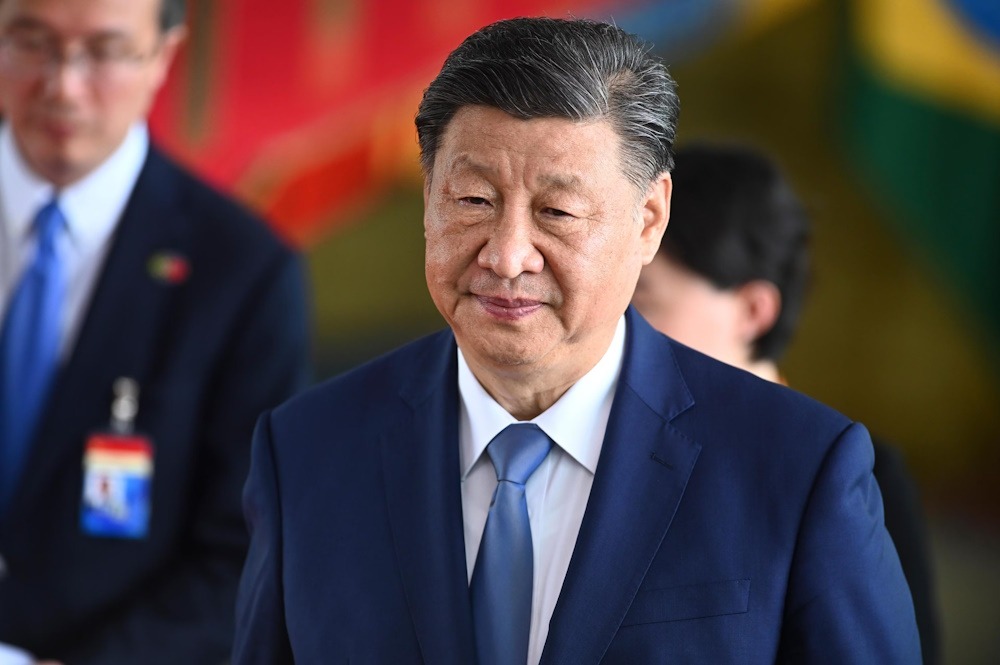
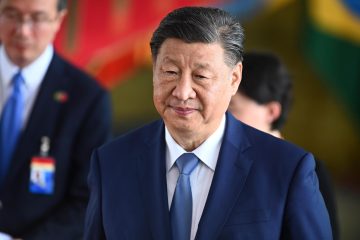
The Asia-Pacific must pursue more open trade and equitable growth to maintain stability and dynamism, stated Chinese President Xi Jinping to business executives gathered Wednesday in Shenzhen, a southern Chinese technology and financial hub, during the annual Asia-Pacific Economic Cooperation summit. US President Donald Trump was scheduled to join fellow leaders later Wednesday for the Apec leaders’ summit, having travelled from the Philippines, where he participated in an annual summit of the Association of Southeast Asian Nations. Trump’s “America First” approach, characterised by tariff increases and other measures, stands in opposition to Apec’s objective of ultimately establishing a free trade zone across the Pacific Rim. The limitations imposed by the US on Chinese access to advanced American technology, including Nvidia computer chips that are integral to artificial intelligence, consistently contribute to tensions with Beijing.
Xi and other Apec leaders advocated for a more open approach, refraining from directly criticising the US’s shift toward market protectionism. The summit is highlighting Shenzhen, a city that China has metamorphosed over the past four decades from a modest fishing village into a bustling hub characterised by towering skyscrapers, serving as a focal point for export manufacturing and technological advancement. China’s rise to become the second-largest economy has been fundamentally linked to global investments and its integration into world markets, as international manufacturers relocated production facilities abroad to capitalise on lower labour costs and rapidly expanding markets. “China will not only cut tariffs and expand market access, but also go a step further. We will carry out reform in challenging areas such as rules, regulation, and standards,” Xi told the CEO summit, reiterating Beijing’s pledges to improve conditions for global investors.
“While pursuing its own development, China has shared opportunities with other countries and worked for common development,” he said. “It has steadily brought stability and predictability to world economic growth and international trade and economic cooperation.” Xi’s speech highlighted China’s aim to lead global industrial transformation, said George Chen. “While he didn’t say so explicitly, his message was clear: China wants to be seen as a partner in global technology development, in contrast to Washington’s more restrictive approach,” Chen said, noting that Xi did not mention export controls, Nvidia or the US directly. Xi is encountering domestic pressure due to decelerating growth, as retail spending and investment have faltered amidst a sustained downturn in the property market. The economy is still growing at a rate of more than 4%, but that’s mainly due to surging exports that are provoking a backlash among many of China’s trading partners. China’s trade surplus for this year is poised to surpass $1 trillion for the second consecutive year.
Still, Trump’s emphasis on friendly relations with Xi may lead to an extension of the trade truce reached last year after a series of tariff escalations. Discontent with Washington regarding elevated US tariffs and various trade barriers is prompting shifts in relationships among alternative trading partners. On Tuesday, Canadian Prime Minister Mark Carney met with Xi and they agreed to cut tariffs on each other’s goods. Carney has fostered closer economic relations with China and the European Union as a strategic response to the tensions in Canada’s relationship with Trump. Malaysian Prime Minister Anwar Ibrahim conveyed to the executives of leading Chinese and multinational corporations that larger economies should not impose restrictions on smaller nations, emphasising that equitable and vibrant growth is advantageous for all parties involved. “Countries cannot impose their position, their own peculiar circumstances to countries to decide,” Anwar said.
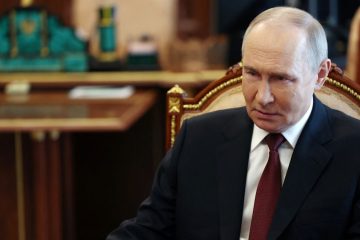
“They must accept that countries must emerge, focus on trade and investments, because that would ultimately benefit their people.” Russian President Vladimir Putin took aim at “instruments of economic dominance,” such as the sanctions imposed following the 2022 invasion of Ukraine. “Sanctions, tariffs, and export restrictions” have “outlived their usefulness and have largely lost their intimidating effect,” Putin told the CEO summit in his first in-person appearance at an Apec leaders meeting since 2017. He emphasised his nation’s aspiration to foster stronger economic connections with the Asia-Pacific, noting that trade with this region constitutes over fifty percent of its overall trade. Russia has put forth a proposal to lead Apec in 2035, according to Putin. The 21 Apec economies represent 60% of global economic activity, constitute half of global trade, and encompass 40% of the world’s population.
The leaders are scheduled to convene in a private setting on Thursday, concurrently engaging in discussions during the event’s ancillary meetings. That will include a first-ever “trilateral” meeting between Trump, Putin, and Xi, marking the inaugural summit among these three global powers. While Apec does not take binding decisions, it serves as a forum for building a consensus on cooperation and more open trade, stated Anwar, the Malaysian prime minister. “The decisions we, and particularly you take today, individually and collectively, will determine whether the Apec region and the international community continue to be a source of dynamism, stability and opportunity in an increasingly uncertain world,” Anwar said.