AI Data Center Expansion Faces Regulatory Backlash
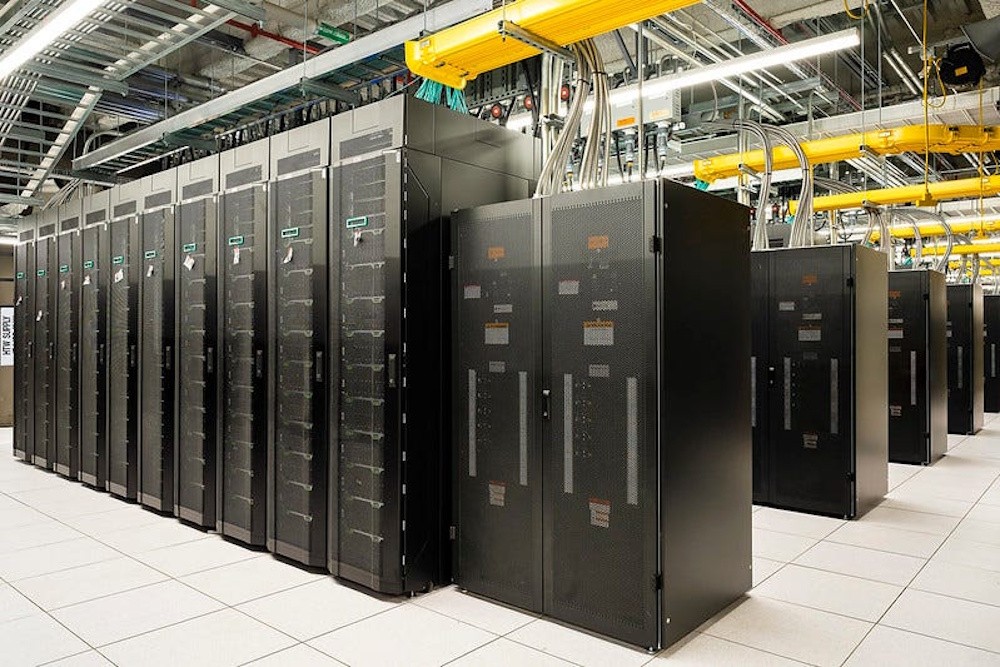
Data center developers aiming to establish numerous expansive artificial intelligence campuses throughout Texas were facing a halt in approvals under the administration of Republican Governor Greg Abbott. Under Gina Hinojosa, who was elected on Tuesday as the first Democratic governor of the Lone Star State in over three decades, they are confronting their most unfavourable outcome. As part of her campaign, Hinojosa repeatedly called for an immediate moratorium on data centre development. She’s described Abbott’s vows to rein in data centre operators as “nothing more than an election year stunt” and has accused developers of “raising our utility rates and depleting our water.” She’s vowed to halt approvals until “a legislative session that puts Texans first so that we don’t have any more communities in Texas who are powerless against these global corporations.” Hinojosa’s victory, when considered alongside the successes of other Democrats in gubernatorial races spanning from Georgia to Ohio and Pennsylvania, may render a significant portion of the proposed AI data center expansions across the United States susceptible to heightened local scrutiny and opposition. All of them prioritised more stringent data center regulation in their campaigns, and their victories highlight the increasing voter backlash against the facilities that support AI systems globally.
The results were indicative of a significant Democratic rout on Tuesday, which resulted in the transfer of party control of the US House and Senate from Republicans. This shift was largely driven by voters’ dissatisfaction with the rising cost of living and the ongoing conflict in Iran. Democrats are preparing to apply greater scrutiny to Silicon Valley interests that had largely evaded oversight during the initial two years of President Donald Trump’s administration. Markets were beginning to incorporate the potential for increased regulatory scrutiny in trading early Wednesday. Contracts on the S&P 500 Index experienced a decline of up to 1.2%, whereas futures on the Nasdaq 100 Index saw a decrease of 2.2%. Hardware suppliers in South Korea, Taiwan, and Japan, which are pivotal in the American AI development, experienced declines. Samsung Electronics Co. and SK Hynix Inc. saw reductions of up to 4% in South Korea, while Nvidia Corp.’s chipmaker, Taiwan Semiconductor Manufacturing Co., also faced a downturn.
The election results posed a risk of eclipsing the positive earnings reports from AI chipmaker Advanced Micro Devices Inc. and server supplier Super Micro Computer Inc., which had previously ignited a rally among stocks associated with the development of technology infrastructure. In Texas, approximately 13 gigawatts of data center capacity – sufficient to power around 10 million homes at any given moment – is directly revealed by Hinojosa’s victory, according to Gordon Johnson in a note released late Tuesday. “Projects with power, permits and steel keep going,” he stated, while those possessing power but lacking state environmental permits experience delays of 12 to 18 months. But those “projects with neither probably go to Louisiana, Oklahoma or nowhere,” Johnson said in the note. Texas is projected to contribute nearly 30% of the US data center capacity expected to be operational by 2028, marking the most significant share among all states, according to research firm SemiAnalysis in advance of the election. “A few months of lost time in that market can move the national number,” according to SemiAnalysis.
Hinojosa presents a clearly “more bearish approach: she would impose a moratorium until legislation is passed that gives communities a voice, protects household utility bills, and ends the tax incentives for data centres,” the firm said. “The question now is how long the pause lasts.” Jefferies has assigned “tiers” to US states representing the “political risk” they represent to new data centre projects. Tier 1 implies the state is welcoming to new data centres. Tier 5 assumes the opposite. Ahead of the Texas election, Jefferies analysts including Jonathan Petersen said in a note that a “Hinojosa win would result in an immediate statewide pause and move Texas from Tier 3 to Tier 4 under our framework.” And “Regardless of the election outcome, the 2027 session could bring tighter rules around who pays for grid infrastructure, water use and data centre tax incentives,” Petersen said. “We view these as more likely to increase development costs and requirements than materially restrict the Texas pipeline.”
In Ohio, a state experiencing a surge in data center proposals, especially in the Columbus area, Democrat Amy Acton has triumphed over billionaire entrepreneur Vivek Ramaswamy to secure the governorship, thereby flipping a previously Republican-held position. Acton has proposed an immediate conditional moratorium that necessitates data center developers to fulfilll a set of criteria to gain approval for construction. She’s pledged to “fight against the unchecked development of data centres.” Democrat Keisha Lance Bottoms became the first black woman elected governor of Georgia, wresting control of the executive mansion after more than two decades in Republican hands. Georgia has a historical inclination toward fostering data center development, positioning itself as the third-largest state in this sector. However, there is an increasing wave of local opposition emerging. Bottoms advocated for a halt on new construction of the sites during her campaign.
The Georgia election presented “a clearer divide than several other states,” Jefferies said in its note. “A Bottoms win could bring a temporary statewide pause.” Democratic incumbent Josh Shapiro’s victory in the gubernatorial race of Pennsylvania was anticipated to preserve the existing order. Shapiro, who previously advocated for and facilitated data center developments in the state, has now altered his position, expressing strong opposition to speculative projects and those that face local resistance. Ahead of the election, PIMCO head of public policy Libby Cantrill cautioned that the gubernatorial races would significantly influence the trajectory of data center projects, referencing candidates’ proposals for construction pauses akin to the one implemented in July by New York Governor Kathy Hochul. “Even if statewide moratoria do not result, we expect to see a lot more sand in the gears of the AI buildout regardless – with more time required to secure permits and other approvals, as well as more concessions that data centre developers will have to make,” Cantrill said.