Wall Street Faces AI Sell-Off Shock
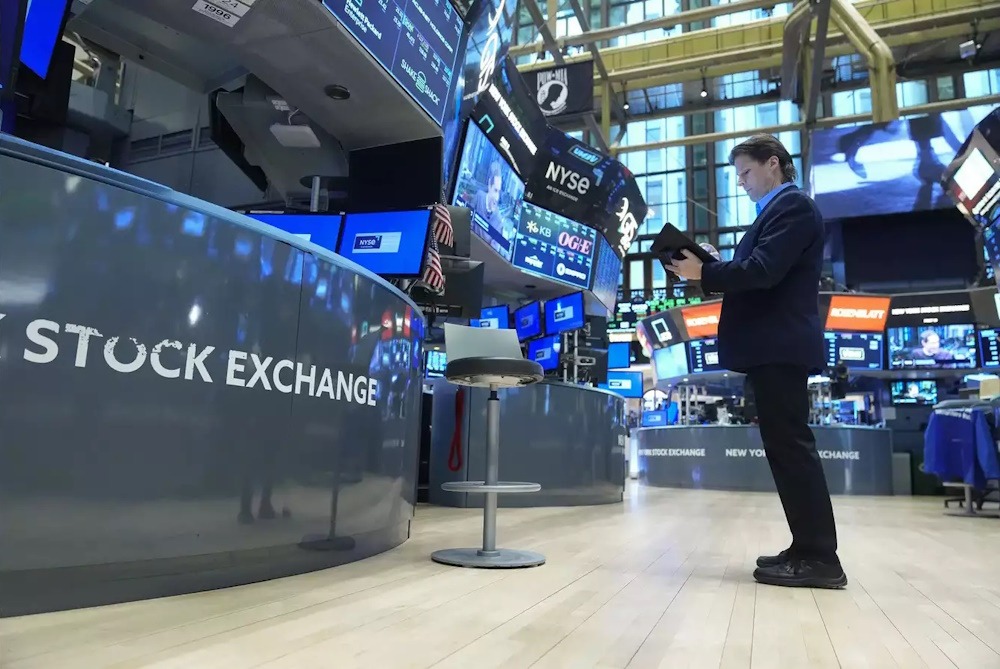
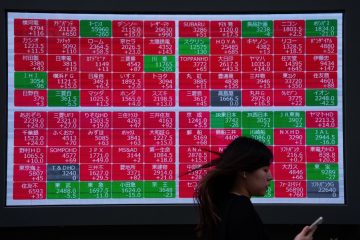
Volatility has reemerged in the stock market, with AI once again being the primary factor. The tech-heavy Nasdaq experienced a decline of 2.21%, while the S&P 500 saw a decrease of 1.44% on Tuesday, as investors opted to sell semiconductor chip stocks along with other shares related to AI. The Dow, characterised by its limited exposure to technology stocks, experienced a decline of approximately 0.1%. The S&P and Nasdaq experienced their most significant declines in approximately two weeks. The declines followed significant sell-offs in Asia. Nerves regarding AI rapidly escalated into a state of panic trading in South Korea on Tuesday, resulting in a 10% decline in the Kospi index, which triggered a circuit breaker and initiated a 20-minute cooling-off period. SK Hynix and Samsung, prominent players in the global memory chip market, experienced declines exceeding 12%, which in turn exerted downward pressure on the broader South Korean stock market, given that these two companies constitute approximately half of the total market capitalisation of the Kospi. “These significant fluctuations are indicative of an increasing trend of heightened volatility in technology equities overall,” James Reilly stated in a note. “This volatility is, in our view, evidence of excessive froth and calls into question the sustainability of this rally.”
US markets commenced the week on a negative trajectory, as the Nasdaq declined by 1.3% on Monday, subsequently deepening its losses on Tuesday. The moderate decline in US technology stocks observed on Monday extended into the Asian trading session, subsequently escalating in intensity on Tuesday. Traders’ apprehension appears to lack a specific trigger, and there is no discernible catalyst that would account for the fervent selling activity observed. However, those anxieties persisted in the United States, where technology equities experienced a challenging day. Some investors may be realising gains following significant upward movements. Some market analysts pointed to jitters sparked by Google and SpaceX falling somewhat sharply Monday. Google’s 5% decline can be attributed primarily to the departure of a prominent AI leader to Anthropic. Meanwhile, SpaceX experienced a 16% drop on Monday, reflecting the typical post-IPO jitters often seen in companies whose stocks surge immediately after their debut. On Tuesday, Google experienced a decline of less than 1%, whereas SpaceX saw an increase of approximately 1% following a period of volatile trading.
Nvidia was about 4% lower, weighing on the broader market. Oracle fell more than 5.5%, putting it down about 27% this month. Other analysts indicated that the markets were responding to the potential for the Federal Reserve to increase interest rates later this year. However, this is not particularly novel information: New Fed Chairman Kevin Warsh conducted his inaugural press conference last Wednesday, during which he reaffirmed the Federal Reserve’s commitment to controlling inflation. This declaration led to a market sell-off, as traders perceived Warsh’s statements as an indication of forthcoming interest rate hikes later this year. Semiconductor chip stocks, which have been at the forefront of the market rally this year, experienced a significant decline on Tuesday: Micron Technology saw a decrease of 13%. Marvell Technology sank 9%. Market participants are anticipating the quarterly earnings results from Micron, scheduled for release on Wednesday. Regardless of the underlying factors, the astronomical valuations and remarkable growth trajectories of AI companies can easily trigger investor reactions.
The Kospi has increased by over 90% this year, thus when the wind shifts unexpectedly, it can prompt traders – and, frequently more significantly, trading algorithms – to seek the exits. They are concerned that the apex of the Jenga structure may collapse. The problem, as always with markets, is no one knows how high the Jenga tower goes. We may still be in the process of establishing the groundwork. Nevertheless, the apprehension in South Korea permeated across Asia. Japan’s Nikkei 225 experienced a decline of 3.6%, while the tech giant Softbank saw a significant drop of 15%. Most other Asian indexes experienced declines exceeding 1%. Despite recent pressures on technology stocks, their decline has been relatively modest: The Nasdaq has decreased approximately 5.5% from its peak reached on June 2. Overall, the tech-heavy index has recorded an increase of 10% year-to-date. On Wednesday morning, South Korea’s Kospi rebounded by 3%, and Samsung regained a significant portion of its losses with a 7% increase – indicating that Tuesday’s decline was a temporary setback akin to those observed in recent months.
Equities have maintained a position at or close to historical highs for the majority of the preceding months. Following President Donald Trump’s declaration of a ceasefire in Iran in April, market dynamics shifted significantly, with attention pivoting away from geopolitical tensions and honing in on developments in artificial intelligence and the Federal Reserve’s interest rate strategy. Oil prices experienced a slight decline on Tuesday, as traders responded positively to indications of progress in peace negotiations. “AI and valuations for tech-related companies are returning to the spotlight, as equity markets shift their focus from the Middle East war towards the sustainability of tech-related spending amid rising global interest rates,” Mason Mendez stated in a note.