Asian Stocks Surge as Fed Keeps Rates Steady and AI Selloff Calms
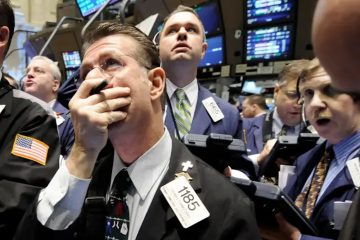
Asian stocks faced challenges on Thursday, grappling with significant losses for the week amid increasing investor apprehension regarding the AI sector. Meanwhile, a divided Federal Reserve opted to maintain interest rates, resulting in uncertainty within bond markets about the future trajectory of rates. Brent futures declined to below $90 per barrel, following a more than 7 percent increase the previous day amid escalating conflict in the Middle East. However, data indicated that tankers persisted in departing the region despite ongoing missile and drone strikes. The dollar faced downward pressure following the US central bank’s decision to maintain its current stance, though the split decision has led to uncertainty among investors regarding the Fed’s commitment to pursuing rate hikes as a measure against inflation. Yields on longer-dated US Treasuries have reached levels not seen in 19 years. Asian chipmakers have garnered significant attention this week following a substantial selloff in South Korean stocks, which resulted in a loss exceeding $2 trillion from the nation’s equity market. This development has unsettled markets, as investors express concerns regarding the returns on extensive AI investments.
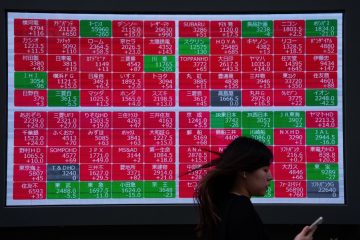
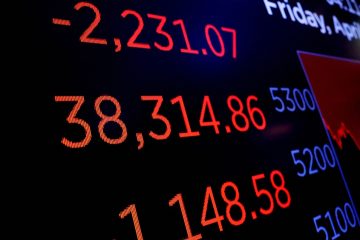
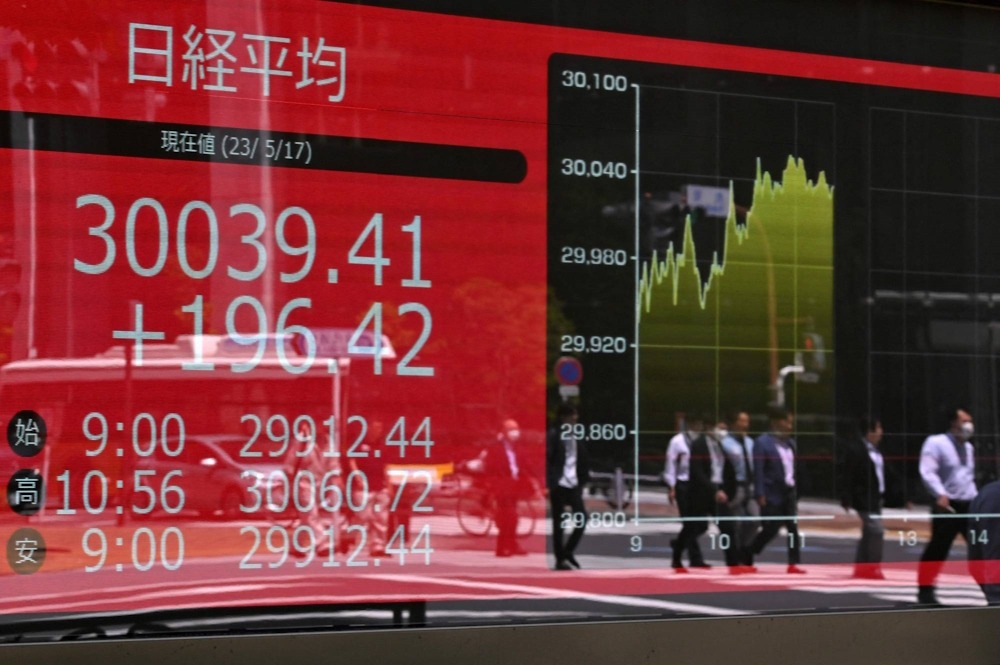
The KOSPI experienced a 4 percent increase during volatile trading on Thursday; however, it is facing a 12 percent decline for the week, which led Finance Minister Koo Yun-cheol to express regret over the implementation of single-stock leveraged ETFs. “Given that the fundamental thesis remains intact, there does appear to be an irrational, panic-like element to the current selling,” said Gina Kim. “I cannot comment on when the panic will stop as such but some indicators to look out for would be margin balances in both Taiwan and Korea for retail investors. Both are declining but we would ideally need to see some levelling off,” said Kim. Chipmaker Samsung Electronics reported a staggering 19-fold increase in its operating profit for the second quarter, reaching a record high and contributing to a rebound in investor sentiment that had been previously subdued. MSCI’s broadest index of Asia-Pacific shares outside Japan experienced an increase of over 1 percent in early trading. Japan’s Nikkei was 2 percent higher, yet it is poised for a 3 percent decline over the week.
Earnings from US megacaps Meta and Microsoft highlighted the divergent paths of companies that demonstrate their capacity to generate cash while simultaneously investing in the development of AI infrastructure. Microsoft stated it anticipates continued cash generation throughout the fiscal year 2027, which has just commenced, resulting in an increase in its shares. In contrast, Meta disclosed a 91 percent decline in second-quarter free cash flow, leading to a decrease in its stock value. Nasdaq futures increased by 1.2 percent during Asian trading hours, whereas European futures saw a rise of 0.3 percent. In a post-meeting media conference, Fed Chair Kevin Warsh expressed a commitment to controlling inflation but refrained from providing any specific guidance on the necessary actions the central bank might take. Warsh observed that bond yields have increased significantly since the Fed’s previous monetary policy meeting, indicating that investors are anticipating interest rate hikes. He expressed approval of this development, while also asserting that it does not necessitate a corresponding action from the central bank.
Yields on 30-year US bonds stood at 5.2039 percent, reaching a peak of 5.2273 percent during late trading in New York, marking the highest level since June 2007. “What we heard was a fairly defiant message about bringing inflation back to target, albeit with very little substance on exactly how that would be achieved,” said Chris Weston. Fed funds futures now imply approximately a 60 percent probability that the Fed will increase rates at its upcoming meeting in September, with 33 basis points of tightening anticipated by year-end. “The Fed is likely to face ongoing questions around its credibility,” said Kerry Craig. “The gap between the Fed’s rhetoric and its actions may pose a challenge for market pricing. A new chair faces a divided committee and a bond market that’s starting to question the central bank’s resolve.”