TSMC to Pour $100 Billion into US Chip Production
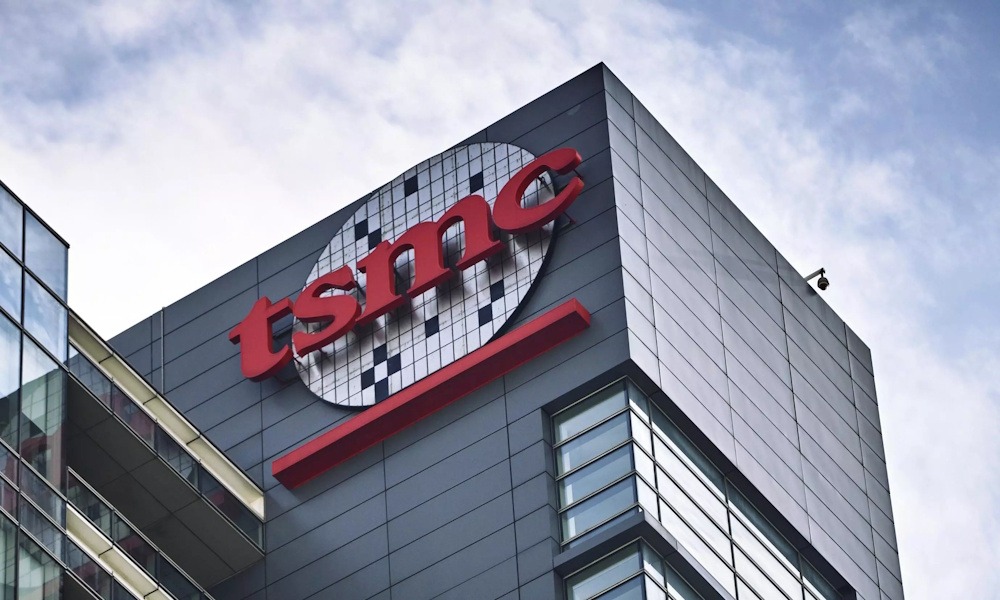
Major Taiwan computer chipmaker TSMC announced on Thursday its intention to allocate an additional $100 billion towards the expansion of its manufacturing capacity in the United States. The latest commitment appears to bring the company’s total pledges for investment in US chipmaking to $265 billion. It also raised its annual revenue forecast after recording unprecedented profits driven by surging demand stemming from the boom in artificial intelligence. The world’s largest contract chip manufacturer and one of the most valuable companies globally, TSMC’s results are regarded as a key indicator for the global chip industry and for AI, particularly amid concerns regarding a potential AI bubble that have been impacting financial markets.
As demand related to AI continues to surge, chip fabrication plants are expanding in the US, Japan, and Taiwan. It announced an increase in its annual capital expenditure budget for this year to a range of $60 billion to $64 billion, revising upwards from a previous estimate of $52 billion to $56 billion. TSMC, or Taiwan Semiconductor Manufacturing Co, serves as a crucial supplier for both Nvidia and Apple. It had previously committed $165 billion in the US for the construction of plants in Arizona, with plans for six fabrication facilities.
The additional $100 billion in investments is intended to “support the strong multiyear demand from our leading US customers,” stated C C Wei, during the company’s quarterly earnings conference on Thursday. “We believe this investment will help to further foster the development of the US semiconductor ecosystem, strengthen the supply chain and support an increasing number of high-tech, high-paying jobs in the United States,” he said.
AI-related demand globally continues to be “extremely robust,” Wei added, as the “AI megatrend continues to drive the need for more and more computation.” TSMC on Thursday reported a record 706.6 billion new Taiwan dollars in net profit for the April-June quarter, reflecting a 77 per cent increase from the previous year, surpassing analysts’ expectations.