SpaceX Expands Non-China Supply Chain Amid Taiwan Risk
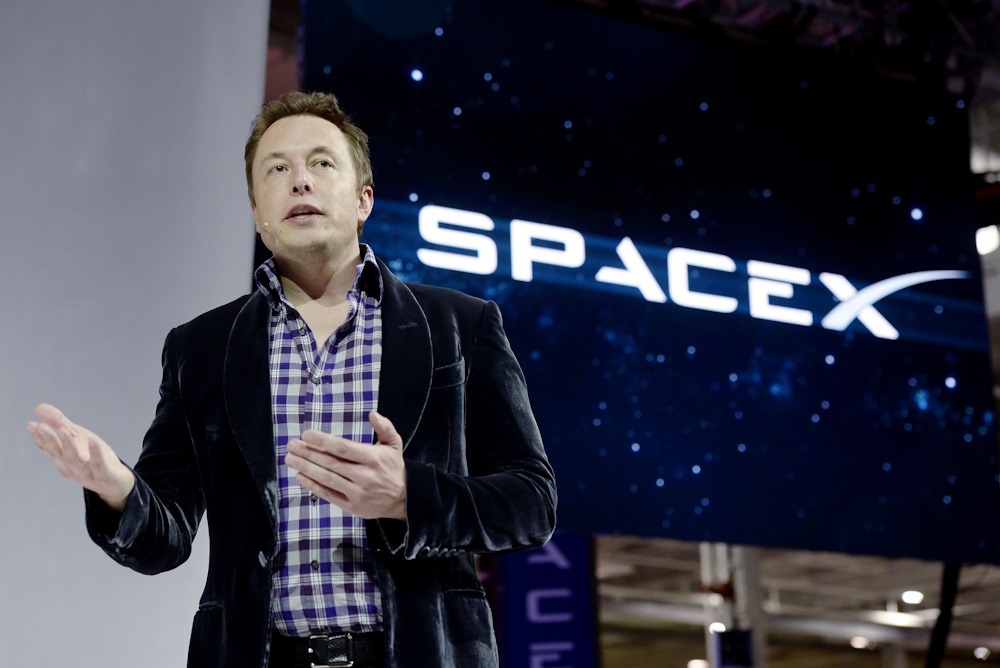
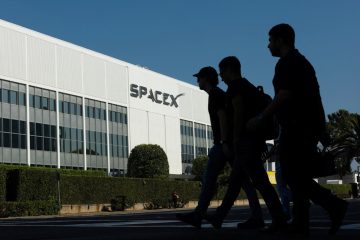
SpaceX, under the leadership of Elon Musk, is enhancing its oversight of the global supply chain by instructing suppliers to exclude Chinese nationals and equipment produced in China from the manufacturing facilities that produce goods for the company, as reported. The move comes as the US rocket and satellite manufacturer fortifies protections surrounding technologies deemed critical for the national security of the United States. SpaceX has been conducting thorough evaluations of both current and prospective suppliers. The company is requesting that partners globally refrain from deploying Chinese nationals at facilities involved in the manufacturing of products for SpaceX, according to the report. One industry executive indicated that SpaceX verifies whether any managers, engineers, or employees at a supplier’s facility are Chinese nationals. If they are engaged in projects for SpaceX, suppliers are requested to substitute them. They are also informed that a lack of compliance may have repercussions on future business prospects.
SpaceX also refrains from procuring essential components from Chinese suppliers or from manufacturing facilities located in China, irrespective of ownership. Another supplier executive stated that the products supplied to SpaceX cannot include parts made by Chinese companies. Even the engineers we assign to support these projects must be non-Chinese nationals. If these conditions are not met, the products may not receive approval, the executive stated. The report indicated that industry managers stated SpaceX inspectors also evaluate factory systems, encompassing surveillance cameras and networking equipment. It has been reported that suppliers are being instructed to substitute equipment produced by Chinese firms, including Hikvision and TP-Link, even in manufacturing facilities situated beyond China’s borders.
SpaceX is also developing what it refers to as a “NCNT” (non-China, non-Taiwan) supply chain. The objective is to mitigate the potential for disruptions in the event of escalating tensions between China and Taiwan. Beijing maintains its assertion that Taiwan is part of its territory and has not dismissed the possibility of employing military force to assert control over the island. SpaceX plays a significant role in various US space missions, including NASA’s Artemis program, rendering its technology strategically vital for US national security. SpaceX’s strategy surpasses that of numerous consumer electronics firms, a source informed Nikkei Asia. For instance, firms like HP and Dell Technologies have been establishing distinct supply chains—one within China catering to the domestic market and another beyond China’s borders for international clientele.
Meanwhile, Tesla, also under the leadership of Elon Musk, has implemented a comparable dual supply-chain strategy. SpaceX entered the stock market on June 12, setting its share price at $135. The offering raised a record $75 billion by selling 555.56 million shares, valuing the company at approximately $1.77 trillion. At that moment, it emerged as the largest initial public offering in US history, eclipsing the 2019 listing of Saudi Aramco. On its inaugural trading day on the Nasdaq, SpaceX’s robust market performance elevated Elon Musk’s personal fortune beyond $1 trillion, positioning him as the world’s first trillionaire according to the source. However, the company’s market value has subsequently declined by over 40 percent from its zenith.