Iran says Hormuz discussions progress as Trump cancels airstrike
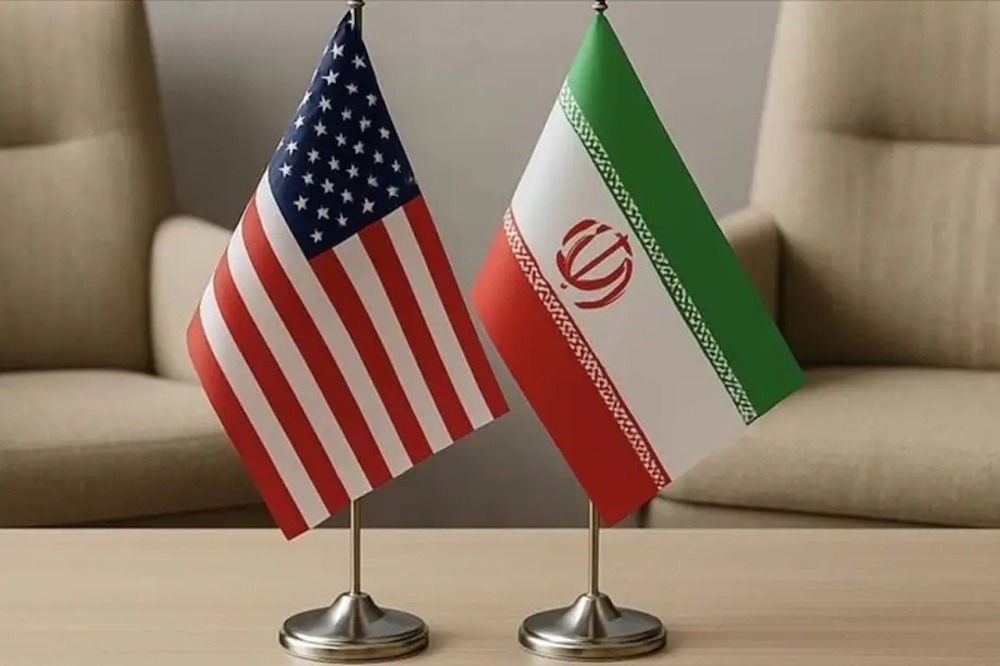
Iran indicated that discussions aimed at increasing maritime traffic through the Strait of Hormuz are advancing, following President Donald Trump’s decision to cancel what he described as a significant military strike against the Islamic Republic. Oil experienced a decline on Monday, with Brent crude decreasing approximately 4.5% to just above $83 a barrel, following remarks from Iran’s foreign minister, Abbas Araghchi, indicating that negotiations between Tehran and Oman regarding the management of the strait are nearing completion. Trump stated on Sunday that an agreement to open the waterway might be imminent and that new, unspecified discussions with Iran are set to commence on Monday. There remains a notable lack of clarity regarding the negotiations between Iran and Oman, with no indication that the Islamic Republic is prepared to permit vessels free passage through the waterway, a demand put forth by Trump. Instead, Iran stated that it is in discussions with Oman regarding a new route, rather than addressing the overall status of the strait’s openness or closure. The discussions with Oman pertain to a “temporary” route aimed at ensuring the safety of ships, as stated by Esmail Baghaei, an Iranian foreign ministry spokesman, on Monday. “We are not currently negotiating with the United States.”
Last week, source reported that Muscat and Tehran were in discussions regarding the potential reopening of the so-called middle passage through Hormuz. It has, however, been mined by Iran, according to sources familiar with the situation, and may need to be cleared before vessels can utilise it on a regular basis. The chokepoint, an essential channel for the flow of oil, liquefied natural gas, and various commodities including fertilisers, is effectively closed off. Very few vessels are currently navigating through, particularly with their transponders activated. Most vessels are navigating a northern route near Iran’s shores with the consent of Iranian authorities, or opting for a southern path adjacent to Omani territory. Trump, early on Sunday Iran time, stated that he had cancelled strikes — which he asserted have “not seen since World War II” — following lobbying from Iran and various Middle Eastern nations. He later stated that Saudi Arabia, the United Arab Emirates, and Qatar had all encouraged him to allow for an extension of diplomatic efforts. Saudi Arabia’s Crown Prince Mohammed bin Salman held a call with Trump over the weekend. The kingdom’s de facto leader “stressed the need to prioritize dialogue to reduce escalation and the importance of making every possible effort to achieve calm,” according to the source.
The Gulf Arab states, while maintaining their alliance with the US, have expressed growing frustration regarding the ongoing conflict, which has now entered its sixth month. There is apprehension that any escalation could prompt Iran to retaliate by deploying additional drones and missiles, which would potentially damage infrastructure and adversely affect their economies. In recent months, Iran has consistently engaged in hostilities against Kuwait and Bahrain amid ongoing confrontations with the United States. Saudi Arabia, the UAE, and Qatar have experienced relatively minor impacts; however, their vessels have encountered incidents near Hormuz. In the past fortnight, Saudi Arabia has faced assaults from Iran-backed militias operating in Iraq, as well as from the Houthis, who are based in Yemen. Trump signaled he wouldn’t wait long for a diplomatic resolution and urged mediators and Iran to “rapidly make a deal.” It must include, he said, the “immediate, complete, and total opening” of the strait, as well as “an end to Iran’s nuclear threat.” The US, he stated, remains “locked and loaded.” He indicated that the weekend strikes would have been executed in conjunction with Israel, which has not been reported to have targeted Iran since the initial ceasefire agreement in April.
While suggesting that the attacks could represent the most significant escalation since the onset of the Iran war in late February, Trump stated that he is “not looking to kill people.” On Saturday, US embassies throughout the region issued advisories to Americans, urging them to brace for potential flight cancellations and airspace closures. The president previously stated his intention to escalate the intensity of bombing until Iran reopened the strait. He threatened to eventually target the country’s civilian infrastructure and power plants, a move that Tehran has cautioned it would respond to with great intensity. Israel, which initiated the conflict in conjunction with the US but was not involved in the preliminary Washington-Iran peace agreement in June, is biding its time during the current diplomatic efforts, as stated by Zev Elkin, a member of Prime Minister Benjamin Netanyahu’s security cabinet. There’s “some kind of vector toward an agreement between Iran and Oman,” he told local Army Radio on Sunday.