Japan and US Team Up as Yen Plummets to 40-Year Lows
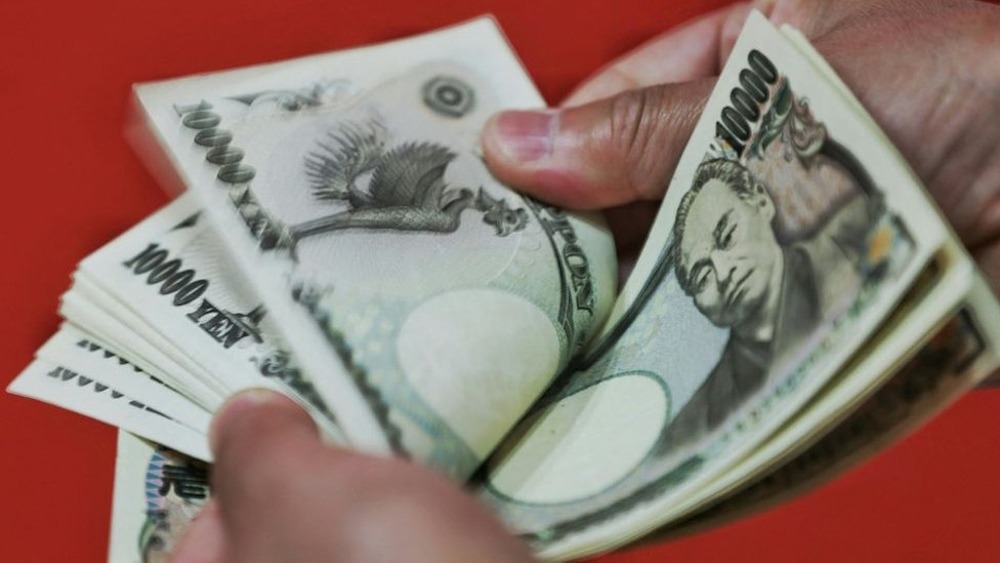
Japan and the United States executed a synchronised yen-buying intervention and will not shy away from additional measures, Japan’s finance ministry announced on Monday, affirming a rare bilateral initiative to curb the yen’s decline to unprecedented 40-year lows. The move underscored both countries’ resolve to prevent a selloff in the yen and Japanese government bonds from causing global spillovers, such as adding upward pressure on already rising US Treasury yields, analysts said. The joint intervention marks the first instance of coordinated action since the 2011 efforts aimed at weakening the yen in response to the catastrophic earthquake in eastern Japan. President Donald Trump stated on Sunday that the United States was assisting Japan in supporting the yen as a demonstration of camaraderie and to bolster the global economy. In addition to bolstering Japan as a strategic partner in Asia, the intervention would enable the United States to tackle issues related to the significant depreciation of the yen, which undermines the advantages gained from Trump’s tariffs, according to analysts.
In the statement, Japan’s finance ministry said Friday’s yen-buying intervention with the US Treasury Department “countered excessive volatility and disorderly movements in the Japanese yen in recent months”. And “We will not hesitate conducting further coordinated intervention,” Finance Minister Satsuki Katayama told reporters on Monday. The yen surged more than 1% to 155.20 per dollar following the announcement, marking its strongest position since early May and significantly recovering from the 40-year low of nearly 164 reached last month, as traders stayed vigilant for potential further intervention. Katayama refrained from providing a statement when journalists enquired about the potential intervention by the authorities on Monday. “The joint intervention is the culmination of Japan’s alliance with the United States,” Japan’s top currency diplomat Atsushi Mimura told on Monday. “We will continue to align (currency policy) with the Bank of Japan’s monetary policy,” he said, suggesting the government will work hand in hand with the central bank in arresting yen falls.
US Treasury Secretary Scott Bessent also confirmed Friday’s effort, adding Washington “will not hesitate to participate in further joint intervention.” And “We strongly support Japan’s decisive market and monetary steps to correct the substantial undervaluation of the yen,” Bessent said in a separate statement on X, repeating his calls for further interest-rate hikes by the BOJ. The remarks highlighted the Bank of Japan, which last week maintained its current interest rates but indicated the possibility of a rate increase as early as its upcoming policy meeting in September. “The comments by Mimura and Bessent must be music to the ears of hawks within the BOJ,” said Naomi Muguruma. And “I feel like a September rate hike is a done deal. It won’t make sense for the BOJ to wait until October and cause another bout of yen declines.” The two-year JGB yield, which is most sensitive to near-term monetary policy moves, briefly hit 1.545% on Monday, the highest since 1995, as markets priced in the chance of an early rate hike. Japan faces ongoing challenges in addressing a persistent decline in the yen, which exacerbates import costs and fuels overall inflation, impacting household finances and the public approval ratings of Prime Minister Sanae Takaichi.
Tokyo’s solo intervention conducted between late April and early May resulted in only a temporary rebound of the yen. The BOJ’s June rate hike to a 31-year high of 1% provided only a fleeting benefit to the beleaguered currency. Prior to the confirmed joint intervention with the United States on Friday, Japan is estimated to have sold approximately $58.97 billion to acquire yen during its intervention in the New York markets on Thursday, as indicated by data from the Bank of Japan. In a demonstration of enhanced coordination between Japan and the United States, Bessent indicated that the United States is contemplating an expansion of the Federal Reserve’s repurchase facility in the upcoming months, describing this mechanism as a “important backstop” for providing temporary dollar liquidity. The comment followed the finance ministry’s rare X post on Saturday that it had “a broad range of tools to address market liquidity needs,” including access to the Fed’s repurchase facility providing temporary dollar liquidity.
The Fed facility, introduced in 2020 to steady markets during the COVID-19 pandemic, allows Japan to raise dollar liquidity without outright sales of US Treasuries, potentially easing funding pressures on Tokyo for intervention. Some analysts express scepticism regarding the potential effectiveness of the latest measures in addressing the underlying structural factors that are contributing to the depreciation of the yen. These factors include the escalating fuel costs stemming from the Middle East conflict and the persistent disparity in interest rates between Japan and the United States. “The announcement effect of joint intervention is much bigger than solo action by Japan,” said Tsuyoshi Ueno. “But the fundamentals driving yen weakness haven’t changed, so we likely won’t see one-sided yen rises from this intervention.”