Asian markets dip as AI stocks fall
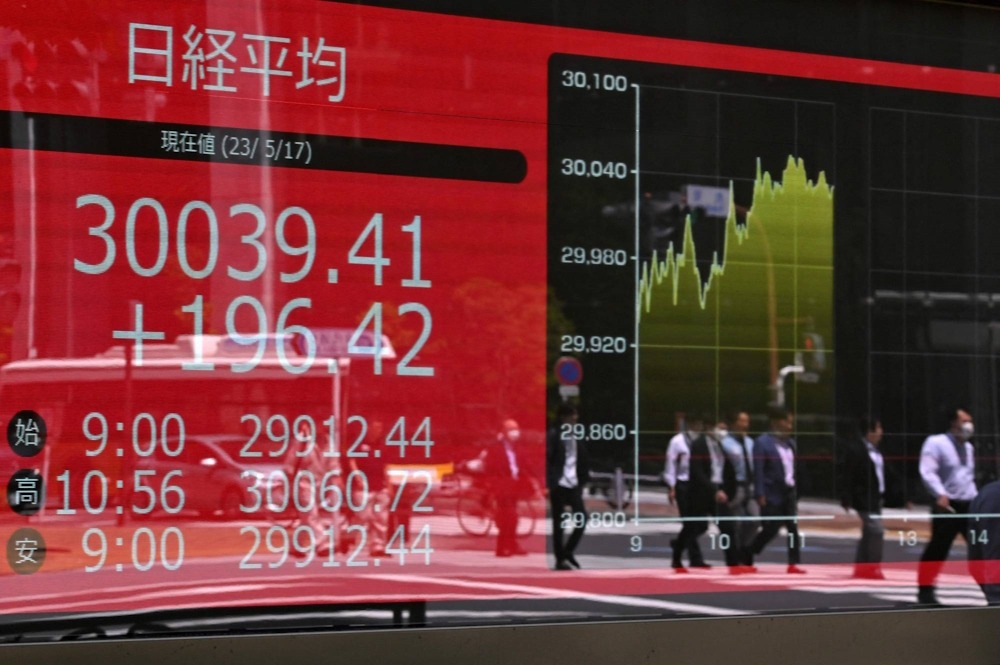
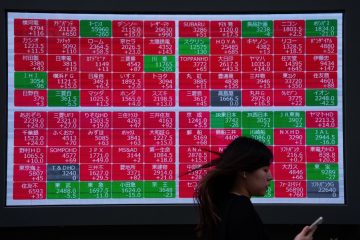
Asian shares experienced a predominantly downward trend on Thursday, while oil prices saw a decline, even in the context of heightened tensions marked by a series of strikes between the US and Iran. US futures experienced a modest increase. Selling of AI-related shares exerted pressure on benchmarks in South Korea and Japan. An interest rate hike by the Bank of Korea also contributed to a 6.6 per cent decline for the Kospi, to 6,816.70. It marked the inaugural rate increase by the BOK since 2023, intended to mitigate inflationary pressures stemming from the Iran conflict. Memory chipmaker SK Hynix experienced a decline of 11.2 percent, whereas Samsung Electronics saw a decrease of 8.2 percent. Taiwan’s Taiex experienced a decline of 0.3 percent in anticipation of an earnings report from Taiwan’s prominent computer chipmaker TSMC, frequently regarded as a key indicator for the global industry and the surge in artificial intelligence. US futures experienced a slight uptick. Tokyo’s Nikkei 225 experienced a decline of 2.9 percent, closing at 66,767.64. Shares of Japanese memory chipmaker Kioxia experienced a decline of 13.5 percent. Chipmaking equipment company Tokyo Electron experienced a decline of 5.2 percent, while chip testing equipment manufacturer Advantest saw a reduction of 5.6 percent.
SoftBank Group experienced a decline of 6.4 percent. Hong Kong’s Hang Seng exhibited a notable divergence from regional trends, advancing by 1.7 percent to reach 25,111.22. Alibaba’s Hong Kong-traded shares increased by 4.4 percent following the announcement from China’s cyberspace regulator on Wednesday regarding the approval of the Apple Intelligence AI tool for use in China. An Alibaba spokesperson stated that its Qwen model will be incorporated into Apple Intelligence. The Shanghai Composite index experienced a decline of 0.9 percent, closing at 3,921.20. Australia’s S&P/ASX 200 declined by 0.2 percent, settling at 8,820.50. India’s Sensex increased by 0.3 percent. “Oil prices managed to eke out a third day of gains amid few signs of de-escalation between the US and Iran,” Warren Patterson and Ewa Manthey wrote in a commentary Thursday. Rising US-Iran tensions are “having a meaningful impact on vessel flows from the Persian Gulf,” they said, with tanker traffic through the Strait of Hormuz, a crucial waterway for global oil transportation, still under pressure. Benchmark US crude experienced a decline of 0.2 percent, trading at $79.34 per barrel.
“Oil prices managed to eke out a third day of gains amid few signs of de-escalation between the US and Iran,” Warren Patterson and Ewa Manthey wrote in a commentary Thursday. Rising US-Iran tensions are “having a meaningful impact on vessel flows from the Persian Gulf,” they said, with tanker traffic through the Strait of Hormuz, a crucial waterway for global oil transportation, still under pressure. On Wednesday, the benchmark S&P 500 experienced an increase of 0.4 percent, reaching a level of 7,572.40. The Dow Jones Industrial Average climbed 0.3 per cent to 52,658.64, while the technology-heavy Nasdaq composite added 0.6 per cent to 26,269.23.
SpaceX, the rocket company founded by Elon Musk, experienced a decline below its initial public offering price of $135 per share, although it subsequently managed to recover a portion of its losses. A US report indicating a deceleration in inflation during June, coupled with robust earnings results from American investment firm BlackRock and other prominent companies, contributed to an upward movement in the market. BlackRock’s shares increased by 6.6 percent following the announcement of quarterly revenue and profit that exceeded expectations. In other dealings early Thursday, the US dollar declined to 162.09 Japanese yen from 162.19 yen. The euro experienced a minor decline, settling at $1.1467, down from $1.1464.