Warsh Faces Warren Over Fed Ethics Questions
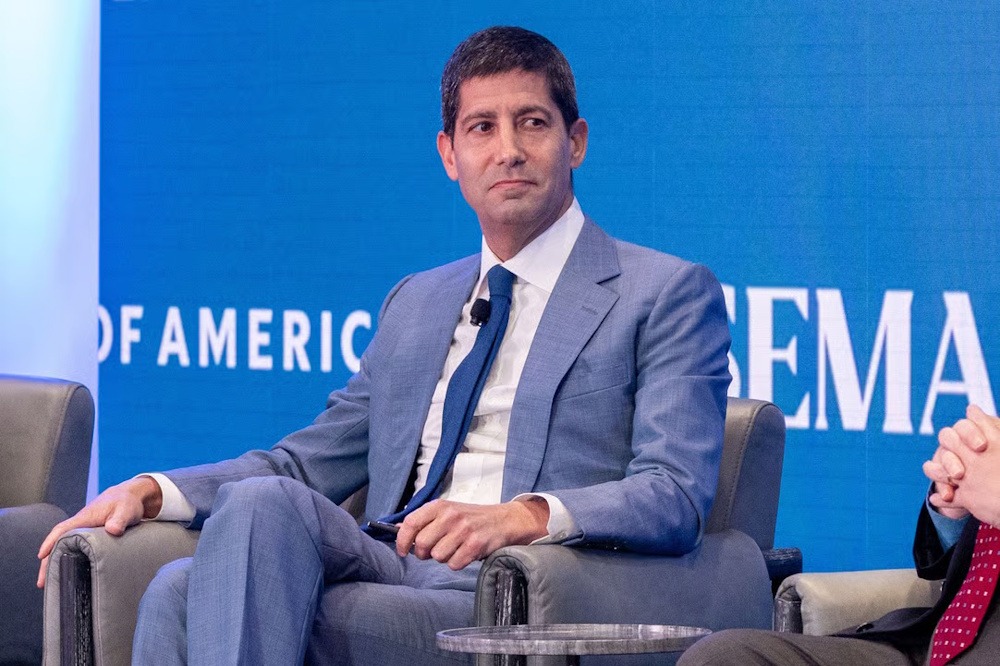
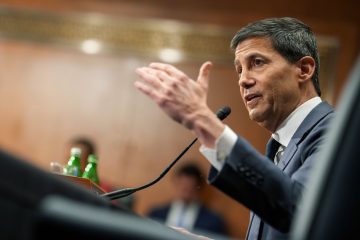
Federal Reserve Chairman Kevin Warsh was subjected to rigorous questioning on Wednesday by Democratic Senator Elizabeth Warren, who pressed him on whether he had enquired with a colleague regarding reports of her attendance at a meeting with bankers last month that could potentially breach Federal Reserve regulations, leading to a contentious discussion surrounding ethical standards. The senator enquired of Warsh multiple times during his second day of monetary policy testimony on Capitol Hill regarding whether he had consulted Fed Vice Chair for Supervision Michelle Bowman about her attendance at the meeting. “Did you ask?” Warren asked Warsh several times. “The tone that you are setting is one that seems to invite corruption.”
In the days preceding each Federal Reserve policy meeting, central bank officials are prohibited from making public or private comments regarding monetary policy during the designated “blackout period,” which extends through the day following each meeting. Source reported that Bowman on June 17, shortly after the Fed’s meeting that month, participated in a private gathering of bankers organised by Bank of America, during which she discussed interest rates. The blackout period serves to inhibit Federal Reserve officials from swaying financial markets or fostering the perception that certain investors possess prior knowledge of information capable of impacting market movements. It guarantees that all individuals obtain that information at the same time. If a Fed policymaker is found to have violated the blackout period, a rare occurrence in the central bank’s history, they could be asked to recuse themselves from policy decisions or face pressure to resign.
Warsh declined to comment on whether he had discussed the issue with Bowman, noting that the matter is currently under investigation by the Fed’s inspector general, Michael Horowitz, who functions independently from the central bank. Warsh acknowledged receiving a letter from Warren addressed to the inspector general regarding the matter. “I’m aware of the letter you sent to the inspector general. Out of an enormous respect for him, his investigation, what he chooses to do with it” Warsh said, adding he is not “trying to micromanage that.” Warren also pressed Warsh if anyone “gave you $100 million right before you were sworn in,” equal to the amount he was required to divest within a specified period after becoming Fed chair. Warsh also declined to answer that question. “Who gave you $100 million right before you were sworn in? Was it a billionaire who has business with the Fed? Was it Stanley Druckenmiller, who’s made billions of dollars betting on what the Fed does? Or was it a different billionaire who gave you the money?” Warren said. Warsh’s ties with Druckenmiller, a high-profile investor, span a decade. He joined Druckenmiller’s Duquesne Family Office after resigning from the Fed in 2011.
Warsh also invested tens of millions in the Juggernaut Fund, which is associated with Druckenmiller’s firm. (Those funds are now divested.) “I will fully comply with the Office of Government Ethics,” Warsh responded. “I think you’ve been basically harassed a little bit in terms of making accusations to you,” Republican Sen. Mike Rounds of South Dakota told Warsh. “Let me give you just a minute to perhaps respond in a just straightforward manner. Anybody give you $100 million?” Warsh’s response: “No.” Rounds added that Warsh’s decision to be “hands off” on the Bowman matter seemed “pretty appropriate.” And “If he would have gotten involved in it, the accusation from some members on this committee would have been that you were trying to influence it,” Rounds said.