Kevin Warsh’s toughest test as Fed deliberates rate decision
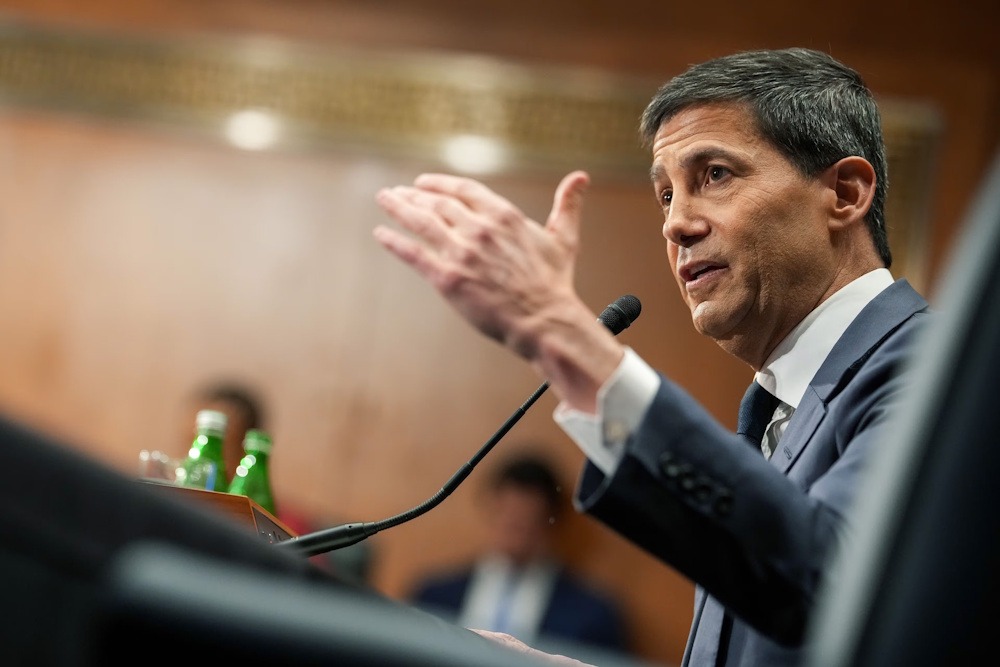
Kevin M Warsh confronts a critical decision this week during his second meeting as chairman of the Federal Reserve. He has committed his reputation to reducing inflation following a prolonged period of it exceeding the central bank’s preferences. Now, he must determine whether to advocate for increased borrowing costs to reinforce that commitment. Wednesday’s decision presents Warsh with his initial substantial opportunity to establish his influence, accompanied by potential risks on both sides. Mobilising his colleagues to increase interest rates would effectively manage public expectations regarding inflation and address the concerns of critics who doubt Warsh’s willingness to take decisive action to mitigate price pressures. The pitfalls are numerous, contingent upon the manner in which Warsh provides his justification. A rate rise following relatively benign inflation data could create uncertainty regarding officials’ responses to economic shifts, challenging financial markets that are already on edge due to fluctuating energy prices resulting from a renewed escalation in the conflict with Iran. After surpassing $100 a barrel last week, Brent crude, the international benchmark for oil, has since declined to approximately $90 following a cessation of hostilities over the weekend. Warsh would also likely face criticism from United States President Trump, who appointed him to the position and has expressed a clear preference for lower rates.
Maintaining the current rates would preserve the Federal Reserve’s policy flexibility, allowing officials additional time to assess the trajectory of the economy. Many anticipate a moderation in inflation during the latter half of the year. By the time the Fed convenes again in September, officials will possess an additional two months of data for analysis. However, inaction will compel Warsh to clarify how a lack of action aligns with his recent statement to lawmakers that the central bank maintains “no tolerance” for high inflation. The decision before Warsh ultimately hinges on the balance he wants to strike between adopting an aggressive stance in the early stages of his four-year tenure as chairman and preserving flexibility in a context where the majority of inflation is being driven by supply shocks that the central bank’s tools are ill-suited to tackle. If inflation were being driven by an overheating labour market, rather than escalating energy prices resulting from the conflict with Iran or tariffs imposed by Trump, the central bank would likely possess greater confidence in determining its subsequent actions.
In the lead-up to July’s meeting, two policymakers expressed a pressing need to increase interest rates. Lorie K Logan, president of the Federal Reserve Bank of Dallas, and Beth M Hammack of the Cleveland Fed, both underscored the challenges faced by consumers and businesses due to persistent inflation and the possibility of price pressures extending further. Prices in the services sector, encompassing transport and shipping costs, along with expenditures related to dining out or travel, have all increased relative to the same period last year. Logan and Hammack argue that elevated borrowing costs are essential to attain the Federal Reserve’s 2 percent target. Both serve as voting members on the policy-setting committee for this year. However, numerous colleagues, including several of the Federal Reserve’s top decision-makers, indicated that although they were prepared to take action should inflation not subside soon, they felt at ease adopting a wait-and-see strategy for the time being. That included Philip N Jefferson, the vice chair, and John C Williams, president of the New York Fed. Christopher J Waller, a Fed governor, placed significant weight on the most recent inflation data in guiding the Fed’s forthcoming actions. Two reports monitoring consumer and wholesale prices in June were significantly lower than anticipated. He emphasised the necessity of observing several months of mild data to gain confidence in the outlook.
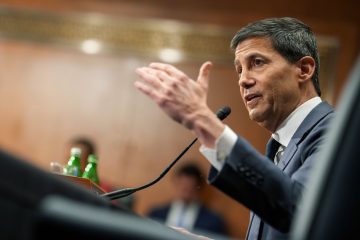
This distribution of views internally will undoubtedly lead to the “family fight” that Warsh has long advocated. However, it also implies that he will possess the flexibility to influence officials in various directions should he decide to do so. Warsh has chosen to conceal his public stance to prevent limiting the Federal Reserve’s options. When pressed for further specificity, particularly during congressional hearings earlier this month, he made it clear that a single month of lacklustre inflation data did not equate to “mission accomplished.” However, in several instances, Warsh has adopted a dovish stance. In response to a query from Senator John Kennedy, a Republican representing Louisiana, regarding measures to combat inflation, Warsh notably refrained from suggesting an increase in interest rates. He stated that the Fed’s success would depend on its ability to demonstrate a commitment to reducing inflation, accepting accountability for any shortcomings in this endeavour, and thoroughly examining its policy instruments. When Kennedy enquired about the Fed’s approach to distinguishing between temporary and persistent inflation, Warsh referenced the five task forces he has established, asserting that they would “get to the big and hard questions instead of trying to paper it over with policies that have not been proven as successful.”