Oil Approaches $100: Fed and Central Banks Under Pressure
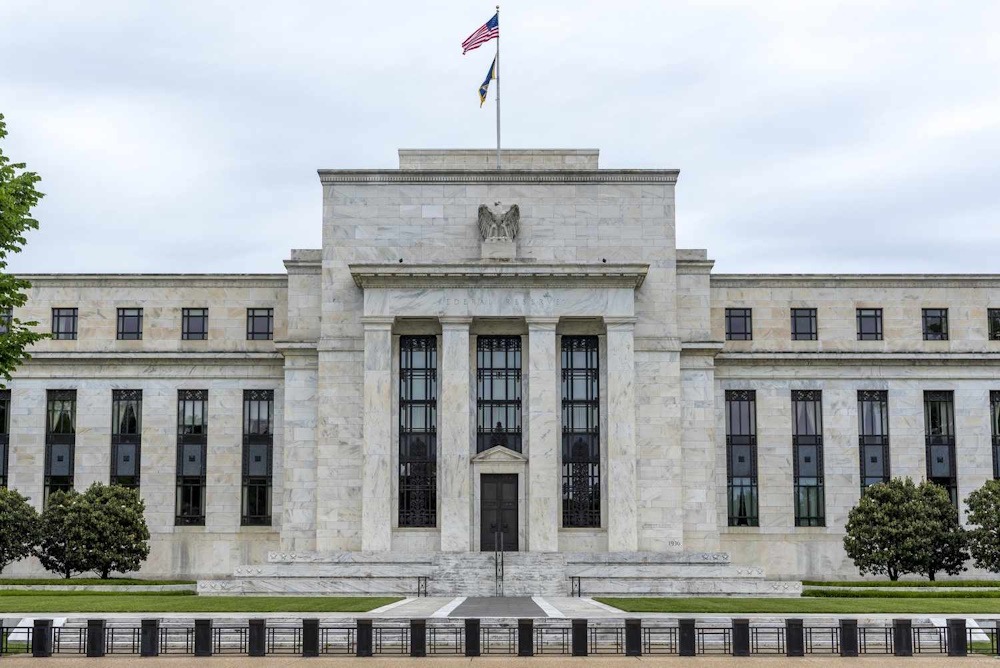
From Washington to London to Tokyo, central bankers are poised to disclose the extent of their concerns regarding a resurgence of oil prices approaching $100 a barrel. Three days of Group of Seven rate decisions commence with the Federal Reserve on Wednesday, followed by the Bank of England and the Bank of Japan. These meetings may reveal differing levels of attentiveness to the potential for energy-driven inflation, although no immediate actions are anticipated from any of the institutions at this time. Together with the European Central Bank’s indication of its preparedness to increase interest rates once more, investor expectations suggest potential actions as early as September across much of that group, although economists remain more uncertain. Crude oil’s recent excursion above the $100 mark, a threshold it surpassed two months prior, represents merely one of the various inflationary threats facing policymakers. Aside from gains in other energy categories such as petrol, investors are focusing on the implications of substantial investment in artificial intelligence, along with US President Donald Trump’s efforts to reinstate a wall of tariffs following setbacks at the Supreme Court. Global bond markets indicate a degree of concern among investors, as yields have surged across the G7. On Friday, the US 30-year yield was positioned just beneath its peak level since 2007. Other ripples from the renewed cost-of-living impact may be observed in central bank decisions globally, with over a dozen meetings scheduled for the upcoming week. In other regions, the growth and inflation figures from the euro zone, consumer price data from Tokyo, and export statistics from South Korea will stand out as key indicators.
The Fed’s July 29 rate decision is approaching with greater suspense than many had anticipated following the release of June consumer price data in the US, which came in significantly cooler than expected. That has been surpassed, however, by a resurgence of hostilities in West Asia. The resulting surge in oil prices has heightened expectations for dissent among certain officials — potentially Dallas Fed President Lorie Logan and Cleveland’s Beth Hammack — who advocate for an immediate rate increase. It has also ignited extensive debate regarding the potential for new Chairman Kevin Warsh to unexpectedly raise rates, catching investors off guard. On Thursday, following the decision, investors and policymakers will receive an updated assessment of economic activity, the Fed’s favoured inflation measure, and consumer spending trends. Government data is anticipated to reveal that gross domestic product increased at an annualised rate of 2.1% in the second quarter, driven by consumer spending and business investment. A separate report is anticipated to indicate a deceleration in a crucial inflation metric for June, attributed to decreased petrol prices, which have subsequently risen.
It is yet another active week for the Asia-Pacific region, characterised by a series of significant monetary policy decisions and trade data releases. First up is a rate decision from Singapore’s central bank, providing an opportunity to utilise your protractors to examine the slope of the currency band, which serves as their policy instrument. Pakistan’s central bank is set to announce its policy rate. Friday morning presents a comprehensive release of data from Japan, encompassing industrial output, retail sales, and unemployment figures for June, alongside inflation metrics for Tokyo in July. The latter figure serves as a leading indicator for the nation and is expected to provide insight into the decisions the Bank of Japan will make later that same day. Taiwan is set to announce its second-quarter GDP on Friday. Earlier in the week, Australia reported June consumer inflation, and on Thursday, the Deputy Governor of the Reserve Bank of Australia, Sarah Hunter, is scheduled to speak. That follows June data indicating the labour market remains robust, increasing expectations for additional rate hikes. It is a significant week for trade statistics, as South Korea is set to publish its trade data for July on Saturday. Prior to that, we will see the June figures for Hong Kong, the Philippines, and Thailand. Asian countries, notably South Korea, have been consistently reporting record export figures nearly every month, driven by the burgeoning AI trade. July appears poised to continue this trend, with foreign shipments increasing by over 50% year-on-year in the initial 20 days of the month.
Officials in the euro zone will receive an initial set of data to assist them in determining whether another rate hike is warranted. GDP is expected to have rebounded with a 0.2% increase in the second quarter, while inflation has reportedly risen to 2.9% in July, based on the median forecasts of economists. Those figures are set to be released on Thursday and Friday, respectively. Belgium and Ireland are set to initiate the release of growth data on Wednesday. Other national figures the following day may indicate a 0.1% increase in Germany, a return to expansion in France, stagnation in Italy, and sustained robust momentum in Spain. The reports are expected to validate the context highlighted by European Central Bank President Christine Lagarde in her comments on Thursday, indicating that the economy is exhibiting “some improvement” while the inflation shock stemming from the Iran war is “yet to play out.” Germany’s Ifo survey is likely to attract attention as well. In addition to highlighting the persistent effects of the Iran conflict, the forthcoming business index, scheduled for release on Monday, may indicate whether the economic reforms introduced in Berlin have positively influenced sentiment. In addition to forthcoming policy declarations from newly appointed Prime Minister Andy Burnham, the focal point for the UK is expected to be the Bank of England’s interest rate decision scheduled for Thursday. While no change is anticipated, a minority faction voting to increase borrowing costs is also likely. Central bankers in Chile are anticipated to maintain their key rate at 4.5% for the fifth consecutive meeting, as subdued demand and lacklustre growth outweigh slightly elevated inflation levels. Economists and traders surveyed by the bank anticipate a hold this time, although the rapidly intensifying conflict in Iran has led to an increase in one- and two-year swaps.
Observers of Brazil may find themselves paying increased attention to the central bank’s weekly updates. Focus survey following the prior release indicated a decline in inflation expectations for 2026, while those for 2028 experienced a significant increase. Concurrently, average projections for 2029 and 2030 have shown an upward trend. With the Banco Central do Brasil’s market readout concluded, attention now turns to the mid-July inflation report. Most analysts interpret the unexpected deceleration in June’s full-month print — to 4.64% — as a temporary anomaly, anticipating higher figures in the forthcoming months. The focus in Mexico will be on the preliminary reading of April-June output, which declined to a -0.6% quarter-on-quarter figure in the three months ending in March. Latam’s second-largest economy is expected to have rebounded, supported by disinflation and reduced interest rates that have bolstered domestic demand. This resilience persists despite the adverse effects of US tariffs and the unpredictable trade policies of Trump, which are also negatively impacting investment. In Colombia, the central bank concludes the week and month with its monetary policy meeting. While numerous analysts interpret June’s victory by Abelardo de la Espriella in the presidential runoff election as a significant advantage for the central bank and its monetary policy, BanRep continues to confront the challenge of controlling consumer price inflation. Annual inflation has accelerated in five of the last six months, with year-end expectations rising above 6.6%, while the central bank’s target remains at 3%. This has led to a prevailing consensus for a half-point increase to 12.5%.