The Fed faces a perplexing economic challenge
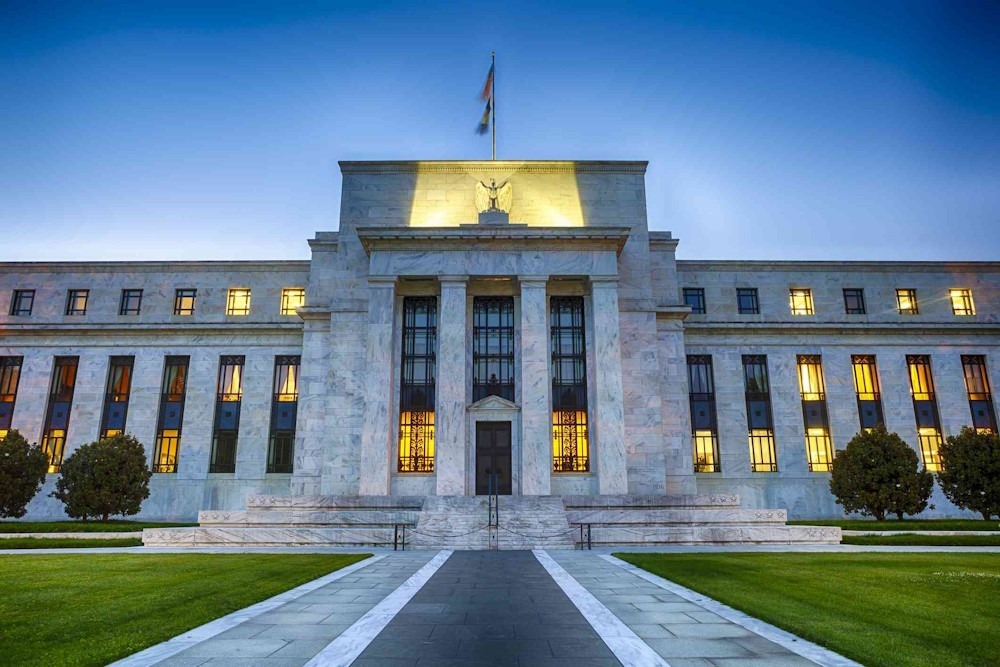
The Federal Reserve has maintained silence regarding interest rates amidst escalating inflation concerns, resulting in uncertainty about the condition of the US economy. Inflation experienced a significant deceleration in June, as indicated by the most recent Consumer Price Index, primarily attributed to a decline in energy prices during that period. Investors interpreted that as an indication that the Fed may not feel as pressured to increase interest rates in response to inflationary pressures for the first time since July 2023. However, the conflict in the Middle East has escalated in recent weeks, resulting in a surge in global energy prices. Brent crude, the global oil benchmark, surpassed $100 a barrel on Thursday, marking its first breach of this threshold since May. Meanwhile, Federal Reserve officials are engaged in discussions regarding the potential effects of the AI infrastructure expansion on inflation rates. The economic crosscurrents have complicated the outlook for inflation trends. Additionally, Fed Chairman Kevin Warsh has not offered any direction.
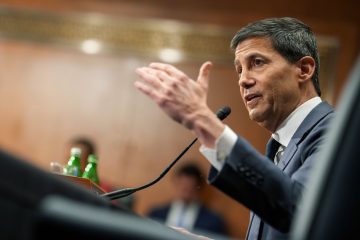
Wall Street is currently facing uncertainty regarding the Federal Reserve’s decision next week on whether to maintain its benchmark lending rate for the fifth consecutive meeting or to implement a rate increase, as indicated by futures. This ambiguity represents a level of indecision not observed in years. “The Fed is looking at all these inflationary impulses and determining if they will be there over the longer term,” Narayana Kocherlakota told. “But it’s becoming very difficult to know what the Fed is going to do in the next few months, because Chair Warsh has been studiously uncommunicative about how the Fed is going to react to these changes in economic conditions,” Kocherlakota said. As Fed chairman, Warsh abandoned a longstanding practice referred to as “forward guidance.” Since 2000, Fed officials have provided forward guidance with the intention of enhancing transparency, allowing Wall Street to anticipate the trajectory of interest rates. During his confirmation hearing in May, Warsh stated that he would refrain from speculating on the trajectory of the economy in his role as chairman. The jury remains undecided on the efficacy of Warsh’s decision. “It’s going to lead to market volatility,” said Kocherlakota. “It makes businesses more reluctant to invest, meaning they’ll be less likely to demand workers to build the kinds of goods and services … because they’re uncertain about what the Fed is going to be doing.” He added “That kind of uncertainty, in my view, is a complete unforced error on the part of the Fed.”
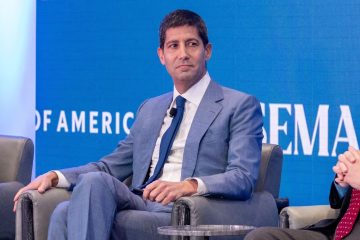
Conversely, there are those who contend that Federal Reserve officials have previously engaged in excessive discourse regarding the economy. “We got to a point where the dissection of the Fed’s forward guidance was so acutely broken down into parts that I’m not sure it helped in the way it was meant to help either,” said Kezia Samuel. Federal Reserve officials are in consensus that the central bank should refrain from increasing interest rates, as energy prices are expected to decline naturally over time. “Conventional wisdom among central bankers is to look through one-time price increases, such as those associated with higher tariffs and a jump in oil prices,” Fed Governor Christopher Waller said this month. However, the extended duration of these price pressures increases the likelihood that inflation will extend beyond the energy sector and remain entrenched for an extended period. This could start to undermine Americans’ confidence that inflation will eventually decelerate toward the Fed’s 2% annual target. To gauge the trajectory of inflation, officials concentrate on core measures that exclude the more erratic food and energy prices.
Core inflation provides a valuable indicator for economists and policymakers regarding the persistence of price pressures. To assess the American public’s perception of prices, officials analyse both market-based and survey-based measures of inflation expectations. Neither of those measures justify immediate rate hikes; however, this assessment may shift if the conflict in Iran escalates significantly or continues for a prolonged duration. Meanwhile, Federal Reserve officials are closely monitoring the substantial expenditures by major technology firms on artificial intelligence data centers, a topic that was addressed during the Fed’s policy meeting in June. “Many participants noted that ongoing strong demand for AI infrastructure would likely sustain upward pressure on prices for technology products and electricity,” the meeting’s minutes read. “Most participants remarked that growth in economic activity that exceeded that of potential output, owing in part to strong AI business investment, could contribute to more persistent inflationary pressures.”