Task forces on monetary policy are appointed by Fed Chairman Warsh
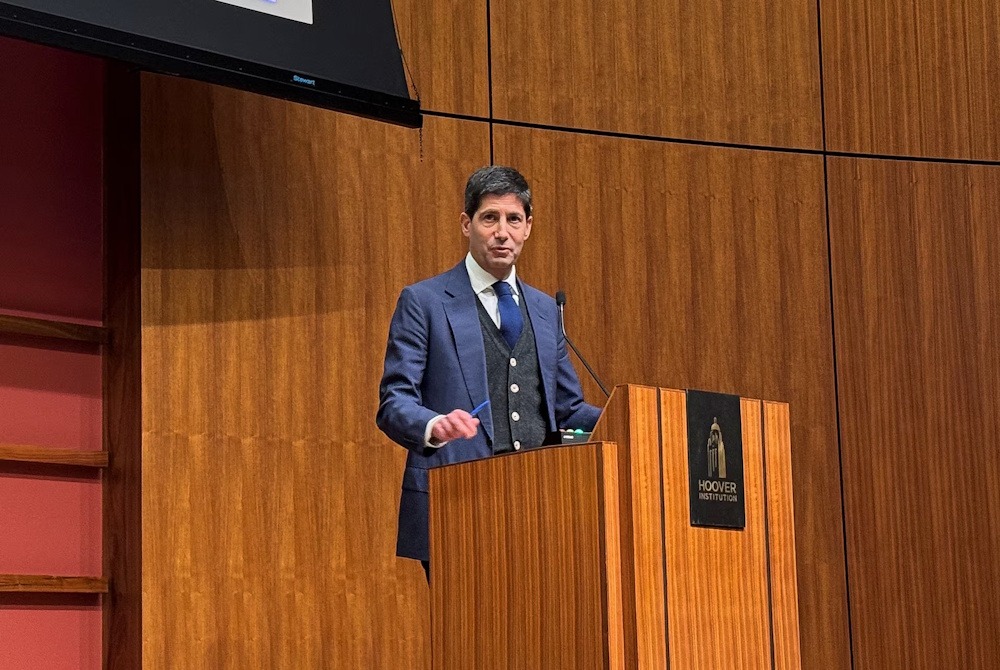
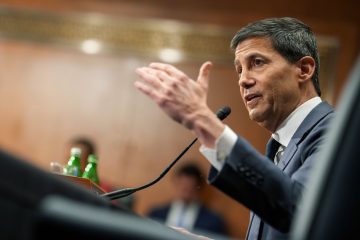
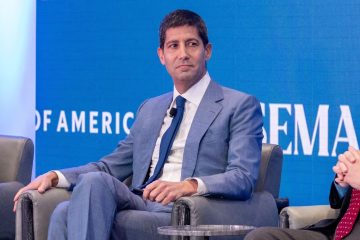
Federal Reserve Chairman Kevin Warsh on Thursday announced the members of the five task forces that will investigate critical issues influencing US monetary policy, as part of his overarching effort to reform the world’s most influential central bank. Alongside academics and former central bankers, the group features notable business figures including former Walmart CEO Doug McMillon, Marc Andreessen, cofounder of Andreessen Horowitz, and Asha Sharma, the executive vice president and Xbox CEO at Microsoft. The new teams will “operate independently, with a mandate to follow the evidence, provide candid feedback, and produce rigorous findings for the Federal Open Market Committee,” Warsh said in a statement. It remains ambiguous how the task force selections were determined, yet there is notable professional overlap among several members with Warsh. This includes connections from his initial tenure at the Federal Reserve, his role as a special assistant to former President George H.W. Bush, and his time at Stanford’s Hoover Institution, where Warsh served as a visiting fellow for 15 years.
Among the task force members, the bond between Andreessen and Warsh seems to be the most robust, tracing back three decades to their time as students at Stanford University. In an interview last year, Warsh referred to Andreessen as one of his “friends from my days in college.” When President Donald Trump first announced he was nominating Warsh, Andreessen posted on X: “This is a fantastically good choice.” He added “I’ve known Kevin for 30 years; he combines great insight in economics and finance with keen understanding of technology and business.” Warsh first announced the task force initiative at his inaugural press conference as the new chairman of the central bank in June, stating that the panels would examine factors influencing the Fed’s monetary policymaking.
The task forces are anticipated to finalise their efforts by year-end, resulting in a series of recommendations aimed at enhancing monetary policymaking. “My hope is that the results of these can be a public good if we make progress in thinking about the effect of productivity, the effect of data, new inflation frameworks,” Warsh said last week at central banking event in Sintra, Portugal. Warsh’s establishment of a task force to scrutinise productivity has ignited conjecture regarding his potential willingness to reduce rates this year. Last year, he stated that AI could warrant rate cuts if the technology is able to provide a significant — and enduring — increase in productivity. However, the impact of AI on the economy is currently a topic of debate among Federal Reserve officials, with some cautioning that it could potentially exacerbate inflationary pressures.
New York Fed President John Williams remarked on Thursday at a New York Fed event that demand driven by AI could surpass supply, which may result in “the kind of situation where you don’t look through this,” indicating that the Fed may need to increase rates to mitigate price pressures. However, concurrently, AI has the potential to alleviate inflationary pressures if it leads to increased productivity. Warsh has indicated a strong belief that this may indeed be the situation. Last month, he observed the increase in productivity over the past year: “If the last four quarters are an indication, which is really largely before the advent of the new surge in what artificial intelligence can do, I think there’s reason to be optimistic now.”