Fed Chair Warsh Targets 2% Inflation
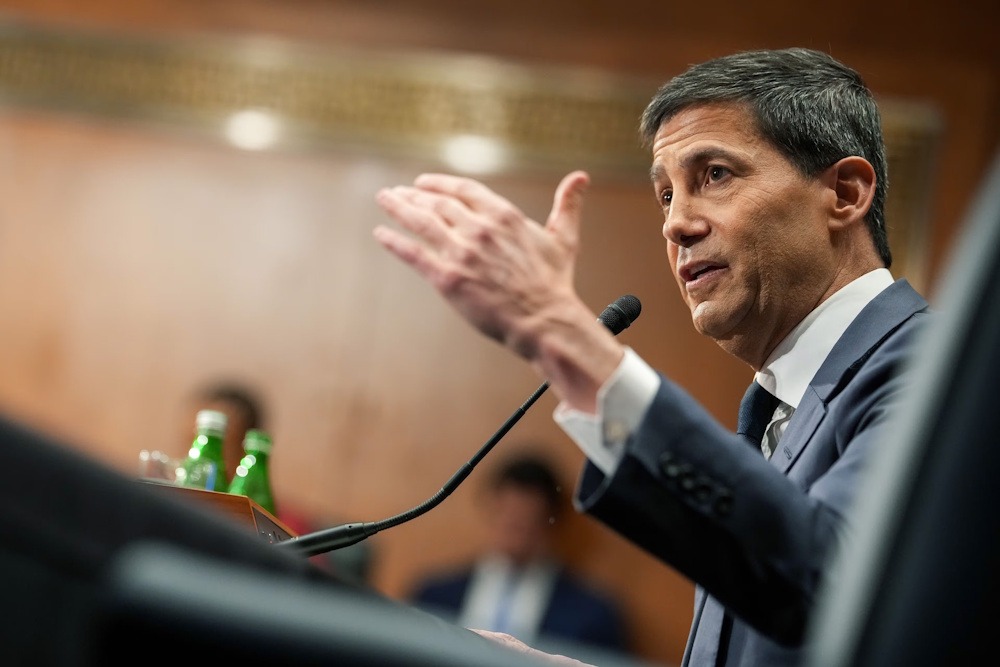
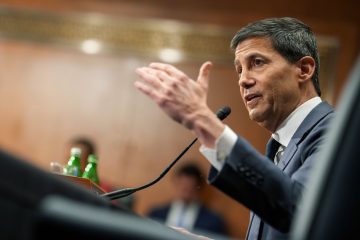
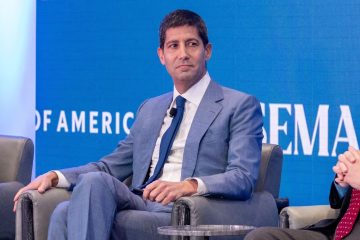
United States Federal Reserve Chairman Kevin Warsh on Tuesday asserted his commitment to “do my job” in the face of potential challenges from President Donald Trump, marking his most explicit statement regarding the management of external pressures similar to those experienced by his predecessor throughout his term. In response to enquiries regarding potential actions should Trump persist in his criticisms of the US central bank, which have included attempts to dismiss Fed Governor Lisa Cook, Warsh conveyed to the House of Representatives Financial Services Committee that the US Supreme Court has recently reaffirmed the Federal Reserve’s autonomy in determining monetary policy. If targeted personally, “I would continue to do my job,” Warsh told lawmakers, echoing comments former Fed Chair Jerome Powell made at various points when asked what he would do if Trump tried to fire him. “Outside the four walls of the Federal Reserve there’s no doubt a lot of politics. My goal inside the central bank is for there to be no politics. To the extent there’s politics there, we’re going to get rid of it.” And “The independence of the Fed is sacrosanct,” Warsh said in response to one of several questions about his willingness to set policy based on data even if the president was pushing for lower borrowing costs. “Credibility is bolstered if we are and are perceived to be independent. … That is the way we can best do our job.”
Warsh’s association with Trump, who expressed enthusiastic support for his selection to head the Fed during a swearing-in ceremony in late May, set the stage for the initial day of Warsh’s two-day testimony in Congress this week. Democrats cautioned him against depending exclusively on the recent Supreme Court ruling to justify the central bank’s autonomy. Inflation is presently exceeding the Federal Reserve’s 2 percent target, and there exists ambiguity regarding the potential impact of renewed conflict in West Asia on the recent advancements made. Data released earlier on Tuesday indicated that US consumer inflation decelerated more than anticipated to 3.5 percent on a year-over-year basis in June, attributed to a decline in energy prices. Warsh stated that he would not “cherry-pick” the moment as an indication of progress. “There might be some that look at this morning’s data and say, ‘Oh, mission accomplished, everything is swell.’ That is not my view,” Warsh told lawmakers.
Traders currently assign a probability of approximately 12 percent to a quarter-percentage-point rate increase during the Federal Reserve’s meeting on July 28-29, a notable decline from the 42 percent likelihood observed on Monday, as indicated by CME Group’s FedWatch tool. The probability of a hike at the September 15-16 meeting stands at approximately 53 per cent, a decrease from the prior day’s estimate of around 75 per cent. In his testimony, Warsh emphasised that his primary focus at this time is to restore inflation to the target level, a goal that is well-received among what he referred to as his “superb colleagues” at the central bank. However, achieving this objective may necessitate disappointing Trump’s ongoing desire for reduced interest rates. “If we get policy right and we will the inflation surge of the last five years will be a thing of the past,” Warsh said.
Warsh is set to testify before the Senate Banking Committee on Wednesday, a body that in late April endorsed his confirmation as Fed chief along party lines. Democrats have voiced specific apprehensions regarding his ties to Trump and the extent of his independence, particularly in light of the president’s assertion that he would nominate only those he believed would be inclined to lower rates. Warsh’s initial steps are perceived as indicating a greater distance from Trump, particularly highlighted by his appointments to a series of task forces last week, which are characterised by a notable level of expertise and a lack of the ideological or partisan figures typically seen in other agencies. “If people were concerned he would be a ‘sock puppet,’ those fears should have been gone with the Fed’s decision to hold rates steady.”