Bitcoin Stays Strong Amid US-Iran Tensions as Markets Dive
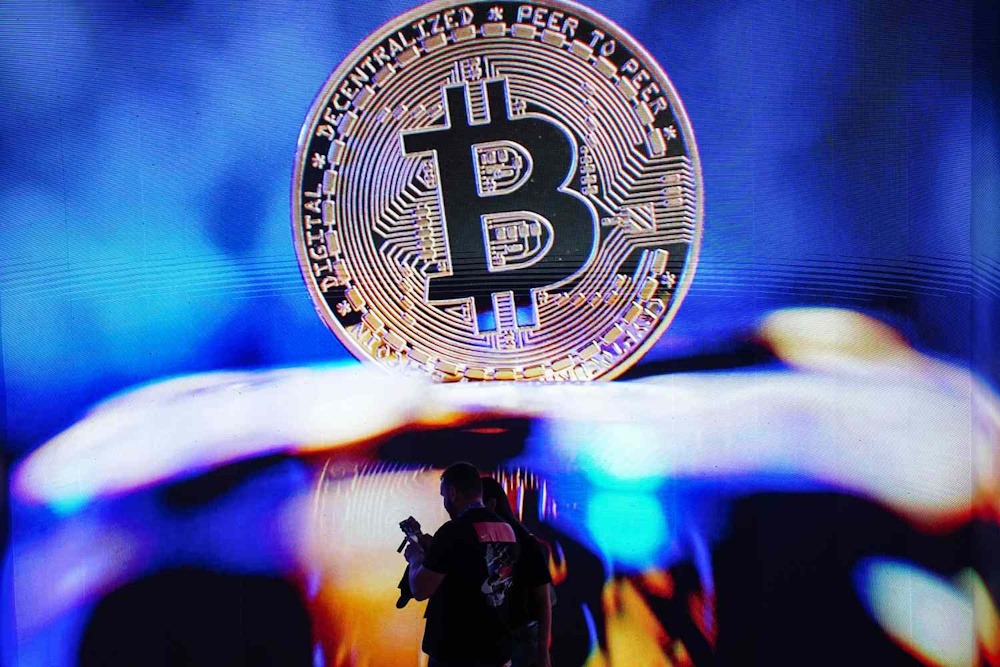
Bitcoin stayed put at over $63,800 while other assets including gold, oil, stocks, and government bonds fell after the United States launched its fourth wave of missile attacks on Iran in as many days. Even if it’s up 2% for the week, the biggest cryptocurrency fell 0.3% in the last 24 hours. The customary market response, which had been halted over the weekend, appeared out of nowhere. The price of spot gold fell by 1.6%, getting close to $4,050/oz. Concerns over potential disruptions to supplies caused Brent crude to soar 4% to more than $79 per barrel, as a result of contradictory claims about the Strait of Hormuz. The two-year yield on U.S. Treasuries reached its highest level since February 2025, causing a general downward trend in the bond market, while the MSCI Asia Pacific shares index fell 1.6%.
U.S. forces attacked Iran after an assault on a container ship, according to Central Command. The U.S. denies Iran’s claim that the strait will be closed “until further notice,” therefore the situation is still unclear. The Strait of Hormuz is a typical pathway for about 20% of the world’s oil in transit. The actions were driven by a single worry: that if the conflict were to escalate, it may lead to increased oil prices and force the Federal Reserve to keep interest rates high for a long time. Several policymakers pondered the case for raising interest rates before deciding to keep them at their present level, according to the minutes of the Federal Reserve’s June meeting. Decreased demand for gold can be attributed to the fact that real yields have been rising due to the sustained upward trend in interest rates, making non-yielding assets less appealing. Bonds also saw a decline for the same reason.
Despite this, bitcoin stayed out of it all. The price of Ether stayed around $1,800, showing a 2% increase from the previous week. While most of the other major cryptocurrencies showed little activity today, Solana fell the most, down 5% week-over-week to $76. XRP stayed at $1.09 while dogecoin was around $0.07. In Korean equities, there is a single thread that is relevant to cryptocurrency. After a 13% spike in the chipmaker’s U.S.-listed shares after their launch on Friday, SK Hynix shares fell 12% in Seoul. The 7% decline in the Kospi was caused in part by this reversal. The chip deal set off the rise that drove bitcoin on Friday, but the rapid reversal that followed on Monday kept the cryptocurrency from moving much in either direction.
A hawkish shift in Federal Reserve forecasts, a selloff across assets usually affected by geopolitical concerns on Monday, and a strike-filled weekend didn’t budge Bitcoin’s narrow trading range. This is a big change for the market, which used to respond quite quickly to news out of Hormuz. It is now driven by dollar liquidity and the chip cycle rather than the conflict, and interest rates, oil, and gold all react accordingly. In Q2 2026, digital assets continued their greatest losing trend since the 2022 bear market, which lasted for three straight quarters. While Bitcoin ETFs witnessed their biggest quarterly outflow since existence, institutional capital shifted towards AI equities, coinciding with this decline. Our research breaks down the causes of the split, finds the areas of structural adoption that stuck, and calls attention to the most important signs to keep an eye on in the third quarter.