Investors Reassess Portfolios as Fed Signals Further Rate Hikes
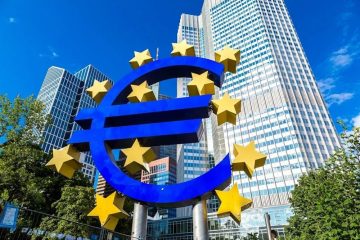
Investors are increasingly reassured by the Federal Reserve’s commitment to combating inflation; however, the ambiguity surrounding the extent of potential interest rate hikes aimed at stabilising prices is expected to introduce volatility in the stock and bond markets in the forthcoming weeks. The U.S. central bank on Wednesday raisedRates have been adjusted for the first time since 2023, a move anticipated by many as the aim is to tackle inflation that remains consistently above target, notwithstanding ongoing public appeals from President Donald Trump for reductions in rates. Bond yields experienced a decline on Thursday, following an extended period of increase that had been partially driven by concerns regarding potential actions from the central bank. However, markets currently face a markedly different investment environment, characterised by uncertainty regarding the extent to which the Fed will tighten monetary policy. In the context of elevated interest rates, certain investors have indicated that this environment may render rate-sensitive assets, including small-cap stocks, comparatively less appealing. The meeting “does make them look independent…it adds trust to the market,” said Matthew Miskin. Yet the Fed “may have come off a little too hawkish in this meeting and we’re just going to have to see how the economy can react in the next couple of months,” he said.
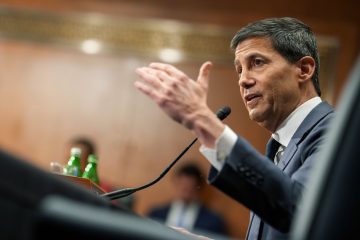
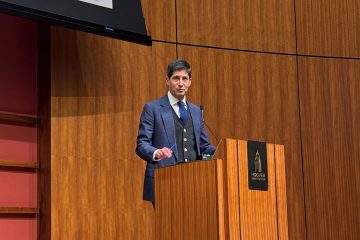
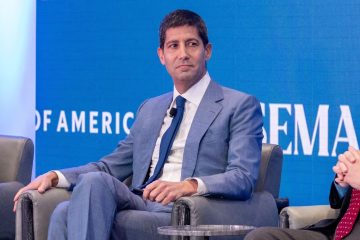
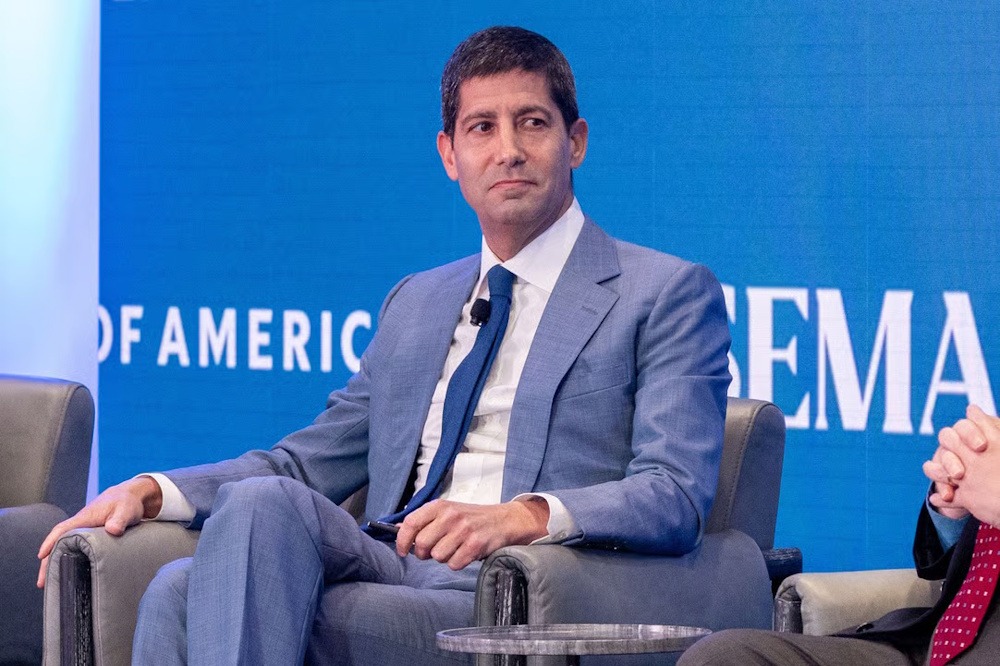
Many investors viewed the meeting as a crucial evaluation of the autonomy of new Fed chair Kevin Warsh, appointed by Trump. “I hope at least at a very high level, one takeaway that investors have is that economics is trumping politics at the Fed, at least for right now,” said Marta Norton. Elevated interest rates are likely to decelerate economic growth by increasing borrowing expenses for both consumers and businesses. Additionally, this scenario may create challenges for the performance of equities and other risk assets. Markets commenced 2026 with expectations of rate reductions; however, this outlook reversed following the late-February conflict between the U.S. and Israel against Iran, which escalated energy prices and inflation, thereby altering projections toward potential rate increases. Wednesday’s quarter-percentage-point increase raised the Fed’s benchmark rate to 3.75-4.00%. Investors observed that the vote among Fed officials was unanimous, contrasting with the previous meeting in July when the decision to maintain rates steady was 9 to 3. “A unanimous hike materially raises the probability of another move before year-end, and investors positioned for the easing cycle of early 2026 need to fully recalibrate,” said David Krakauer.
Following Wednesday’s meeting, stocks experienced a decline, with the benchmark S&P 500 closing down 0.45%. The U.S. dollar experienced a significant appreciation against a range of currencies, although it showed signs of retracement on Thursday. “This meeting landed as hawkish as it could have been – the thoughts, the message, the unanimous decision itself,” said Danny Zaid. The benchmark 10-year yield retraced on Thursday after exceeding 5% following the decision, and was last recorded at 4.95%, while the 30-year yield stood at 5.30%. Forecasts released on Wednesday indicated that Fed officials anticipate one additional rate increase this year, with expectations to maintain the current rate in 2027. “Much of the tightening risk is already priced in, but the bigger signal is whether the Fed believes this is enough or the beginning of more to come,” said Karen Manna. Fed Funds futures late on Wednesday indicated approximately equal probabilities for a rate hike at the Federal Reserve’s upcoming meeting in October, coinciding with the U.S. midterm elections that will determine control of Congress. Increased expectations for rate hikes are being factored in for 2027. “One more hike is on the cards for this year and the risks are we’ll get more rather than less in 2027,” said Dustin Reid.
Inflation has persistently exceeded the Federal Reserve’s annual target of 2% for a number of years. The latest reading of the core Personal Consumption Expenditures Price Index, which Fed officials use as a guidepost for inflation’s underlying run rate, registered at 3.3% on an annual basis. Warsh’s speech late last month at the Fed’s Jackson Hole, Wyoming, conference was interpreted as hawkish and heightened investor expectations for a rate hike, which were reinforced by the hotter-than-expected inflation data released last week. However, the new chair’s intention to avoid providing forward guidance regarding the rate path has also fostered uncertainty on Wall Street. His press conference following the Fed’s last meeting in July left investors perplexed regarding his stance on inflation, subsequently leading to an increase in long-dated Treasury yields. “Warsh has given the bond market more clarity … today that underlying trends in inflation are still too strong,” said Collin Martin. Investors are mulling how to adjust portfolios for a higher rate environment. “We don’t want to overreact to one meeting,” said Phil Blancato. Still, he said, “if this looks like the start of a hiking cycle, reducing duration and trimming some small-cap exposure could make sense.”