AI Debt Fears Trigger Tech Selloff as Chip Stocks Slide

Tech stocks experienced a turbulent week, as apprehensions surrounding elevated interest rates and increasing AI-related debt persisted, impacting investor sentiment. The Nasdaq Composite experienced a decline of 2.14% on Friday, culminating in weekly losses of approximately 4.5%, marking its most significant downturn since June. The S&P 500 experienced a decline of 1.09%, resulting in weekly losses nearing 2%, marking its most significant downturn since June. The Nasdaq and S&P reached record highs merely 10 days prior. However, since that time, the market has faltered as concerns have emerged regarding the potential impact of increasing borrowing costs on the more speculative aspects of the AI boom that depend on debt financing. At the heart of the current discourse is a specialised segment known as neoclouds, which lease computational resources to enterprises capitalising on the artificial intelligence surge. CoreWeave, a neocloud that went public in 2025 and is backed by Nvidia, has emerged as a particular source of market anxiety. CoreWeave carries a substantial amount of debt on its balance sheet, amounting to tens of billions of dollars, as it seeks to finance its growth through borrowing. Recently, bond yields have surged to levels indicative of distress, suggesting an increased risk of default. “It’s unclear that (CoreWeave is) going to get a sufficiently good return to pay down the debt that they borrowed,” Gil Luria told.
“As people get concerned about the trajectory of the buildout, they are the subprime tranche of the AI trade, and that’s why they’re selling off first.” Luria expressed his belief that the demand for AI is genuine and expanding; however, for companies such as CoreWeave, this growth is juxtaposed with apprehensions regarding unsustainable financing and elevated interest rates. Nvidia CEO Jensen Huang intervened on Thursday to alleviate concerns, expressing optimism about CoreWeave in an interview. This endorsement contributed to a rally in the company’s stock on the same day. However, this was a fleeting occurrence: The stock experienced a decline of nearly 12% on Friday. CoreWeave shares experienced a decline of 25% in value this week. The stock has experienced a decline exceeding 65% since reaching its zenith shortly after its initial public offering in March 2025. Meanwhile, oil prices surged on Friday, with Brent crude reaching $110 per barrel for the first time since May. This development heightens concerns regarding inflationary pressures that may compel the Federal Reserve to increase interest rates further. Contributing to market unease this week is a significant decline in semiconductor chipmakers, often referred to as the “picks and shovels” of the AI boom.
A closely monitored index of semiconductor chip stocks experienced a decline of 3.8% on Friday, marking its eighth consecutive day of losses. The index experienced a decline of 11.4% over the week, marking its most significant weekly downturn since April 2025. Investors have driven chip stocks to new heights this year, fuelled by anticipations of a significant expansion in AI capabilities and a prevailing shortage of semiconductors, which positions these companies to potentially realise substantial profits. However, those stocks are diminishing in appeal as Wall Street grapples with worries regarding escalating costs and the politicisation of data centers, which may hinder projections for the expansion. Meanwhile, semiconductor stocks have yet to rebound following the announcement earlier this week by Chinese memory chipmaker CXMT regarding its progress on advanced memory chips. The development is unsettling investors who had anticipated that US and South Korean chipmakers would secure a dominant market share and pricing power. They are now reconsidering the potential impact of cheaper, more efficient chips from China on that outlook. “The market sells first, asks questions later,” said Thomas Martin. “That’s why you get the volatility.”
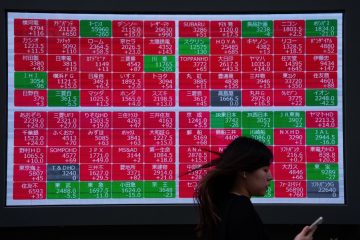
The semiconductors index has declined by over 20% since reaching its peak in June, yet it remains elevated by more than 50% on a year-to-date basis. South Korea’s stock market experienced significant volatility over the past week. The benchmark Kospi index is significantly influenced by two dominant players: the semiconductor giants SK Hynix and Samsung Electronics. The Kospi experienced a decline of 14.5% this week, marking its most significant weekly downturn since 2008. The Kospi had experienced a remarkable increase this year, reaching a peak of 116% year-to-date in June. However, the Kospi has erased all of its gains from the previous six months and currently stands at a 35% increase year-to-date. Semiconductor chips, essential for AI, have gained prominence in the stock market. The semiconductor industry constitutes approximately one-fifth of the market capitalisation of the S&P 500. Further losses may indicate challenges for the broader market. Wall Street’s fear gauge, the VIX, experienced a significant increase of over 20% on Friday, surpassing the 20-point threshold – a marker indicative of heightened market volatility. Overall, the S&P 500 and Nasdaq have declined approximately 2% and 5%, respectively, from their highs earlier this month.