Fed Faces Inflation Dilemma as Higher Rates Threaten Jobs and Growth
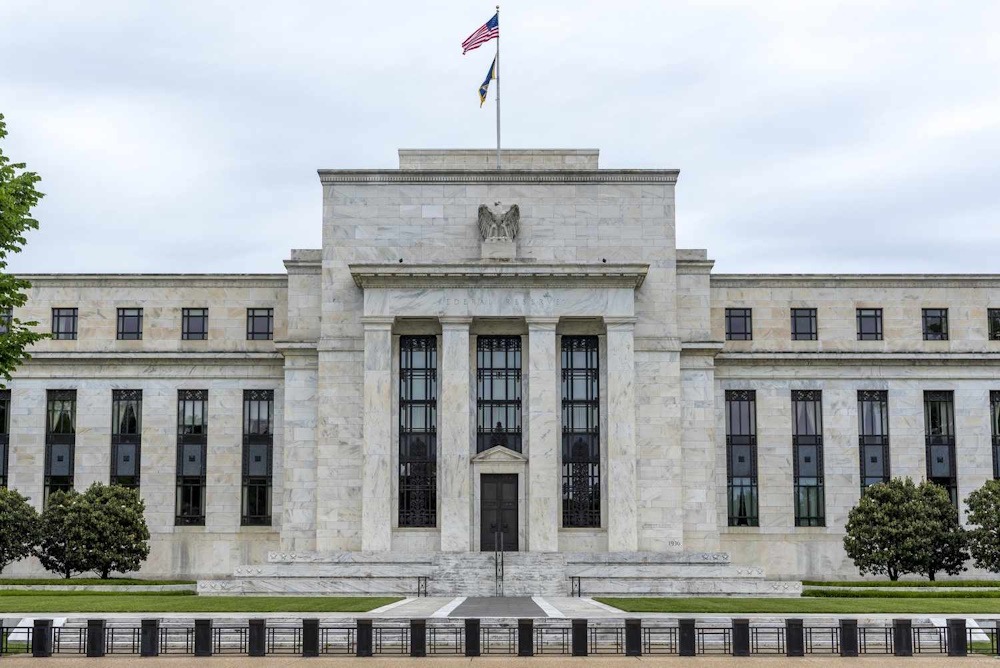
Four years ago, amid inflation reaching multi-decade highs, then-Federal Reserve Chair Jerome Powell conveyed a stark message to the American populace: Controlling inflation would entail sacrifices. The Fed needed to act “forcefully,” Powell told attendees at a key central banker conference that August. He cautioned that doing so would bring “some pain” for consumers. Now, with the Federal Reserve once again increasing interest rates for the first time in three years, a well-known caution regarding the potential economic consequences is reemerging. Inflation nationwide is predominantly influenced by soaring fuel prices, which have surged since the onset of the conflict with Iran in February. The Fed has limited influence over oil production; however, by increasing interest rates, it aims to mitigate the risk of elevated energy costs permeating other sectors of the economy and exacerbating overall inflation. While this type of supply-driven inflation may be easier to manage than the post-pandemic demand-driven inflation, “it won’t be painless either,” stated Chicago Fed President Austan Goolsbee last month.
For central bankers, the challenge lies in reconciling two conflicting objectives: maintaining inflation control while ensuring a robust labour market. When price increases accelerate, the Fed generally responds by raising interest rates, which in turn elevates the cost of borrowing for both consumers and businesses. That, in turn, can restrain expenditure and temper demand, alleviating pressure on prices. However, such a slowdown may impose costs on the workforce, frequently resulting in diminished hiring, a reduction in job openings, and, in certain instances, job losses, as firms grapple with elevated borrowing expenses. “Inflation is the disease. And now the Fed comes with a cure: higher interest rates,” Beth Ann Bovino said. “I don’t know which is more painful because they both hurt.” Consumer spending constitutes approximately two-thirds of economic activity in the United States, positioning it as a crucial catalyst for growth. If Americans reduce their spending – whether due to rising prices consuming a larger portion of their budgets or because elevated borrowing costs compel them to allocate more funds for essential expenses like home purchases – the economy may experience a deceleration. In a worst-case scenario, that pullback could potentially push the economy into a recession, Bovino stated.
Currently, the distribution of economic hardship is not uniform. Americans holding significant investments in the stock market, currently near record highs, are likely experiencing favourable outcomes. Individuals who depend significantly on their salaries to meet daily expenditures possess a diminished buffer against escalating costs. “Those are the people being hurt,” she said. Considering the potential risks associated with elevated interest rates, an increasing number of Federal Reserve officials have recently been promoting a more measured strategy in addressing the inflation challenge. Instead of rushing to combat the possibility of increased or widespread inflation, numerous central bankers have expressed a preference for additional time to monitor the evolution of economic conditions. This approach aims to provide a clearer understanding of the necessity for further rate hikes, if any are warranted. “There is no need for urgency,” New York Fed President John Williams said last month. Fed Vice Chair Philip Jefferson echoed that sentiment. “Any future adjustments in policy should be determined by carefully examining trends in the data, the evolving outlook and the balance of risks,” he said earlier this month.
However, delaying action entails its own set of risks. With the Fed’s preferred inflation gauge exceeding its 2% annual target by over a percentage point, Cleveland Fed President Beth Hammack cautioned that postponing action could exacerbate the challenges in combating inflation. “The longer inflation stays above our objective, the harder it will be for us to bring it back down, and the more pain that individuals and businesses are going to be experiencing,” Hammack said in an interview. For the Federal Reserve, the challenge lies in assessing the extent of economic resilience – and determining which risk poses a greater threat: premature action or excessive delay. Regardless of the circumstances, it is probable that consumers will bear the cost. The September Consumer Price Index report scheduled for release on Wednesday is anticipated to provide officials with significant insights.