IMF Chief Warns AI Risks Could Outweigh Gains Without Global Safeguards
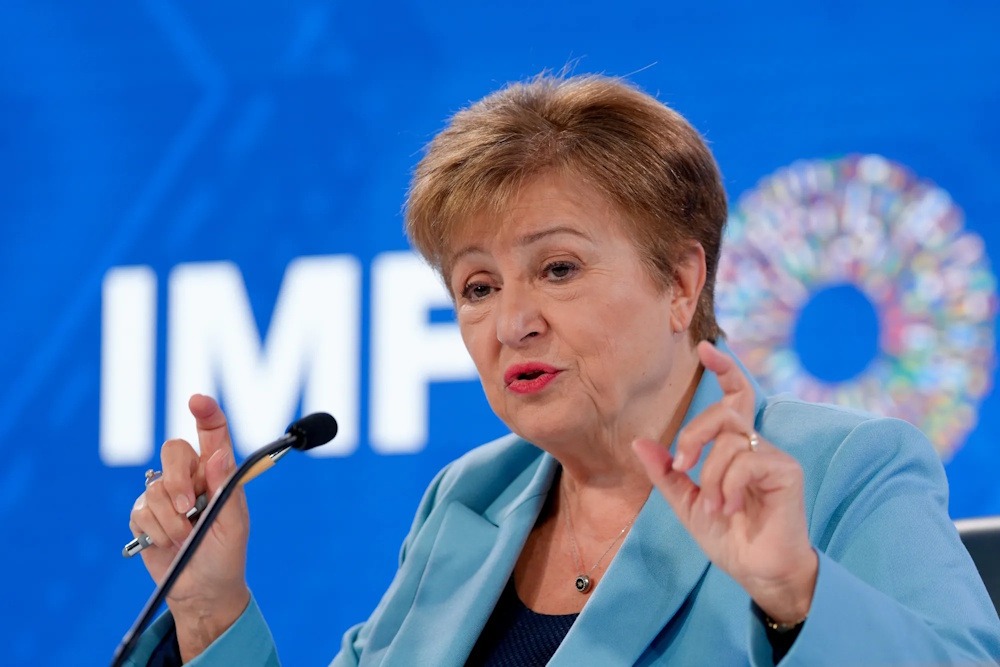
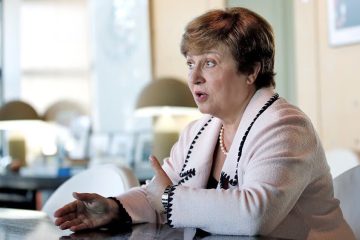
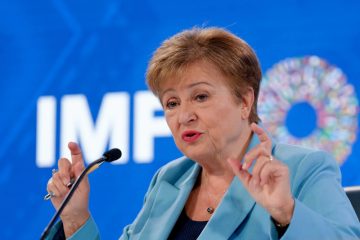
The risks of artificial intelligence may exceed its opportunities if adequate safeguards and an ethical framework are not established, according to IMF chief Kristalina Georgieva, who advocated for a combination of industry self-regulation and contributions from key governments. The nascent technology emerged as a central theme during this week’s annual meetings of the IMF and World Bank in Bangkok. On Tuesday, the IMF highlighted considerable growth and financial stability risks stemming from a potential cessation of the AI investment boom, elevated debt levels, and an ongoing conflict in the Middle East. During a panel discussion featuring Anthropic co-founder Jack Clark, Georgieva remarked that AI is currently bolstering the global economy, yet it also poses the risk of negative shocks if it does not achieve significant productivity gains in a timely manner. “If there are no safeguards, then the risks may exceed the opportunities. And above all, we do need an ethical foundation, and I’m not sure we are there as a society,” she said.
Certain preconditions needed to be established for individuals globally to reap the benefits of the new and rapidly evolving technology, including access to digital infrastructure, electricity, and appropriate regulation, Georgieva stated. The larger inquiry at hand pertains to the establishment of safeguards for a technology advancing at such a swift pace, she remarked, drawing a comparison between AI advancements and Formula One race cars navigating a track devoid of barriers to shield the spectators. Industry self-regulation was suitable, considering that governments were not ideally positioned to regulate or oversee the rapidly evolving sector, but it should encompass engagement with society. The countries with the largest AI sectors, such as the US, China, and India, as well as those involved in the AI supply chain, should participate, she stated to the panel.
Institutions such as the IMF ought to engage in their respective domains of expertise, including productivity growth, labour markets, and financial stability risks, according to Georgieva. “I think it’s Formula One at night, without maybe brakes in the cars,” quipped Anthropic’s Clark, picking up her analogy. He argued that setting standards was possible and was already starting through early policy frameworks in the European Union and voluntary commitments in the US. Clark stated that his company routinely conducted tests on its systems, disclosed the specifics of these tests, and disseminated the information. However, he expressed the view that participation should not be entirely voluntary. Asked if he would favour regulation from the countries that produced AI, Clark said: “Yes. We need common sense standards, and that’s how you ultimately give confidence in the technology and build the economy.” He stated that Anthropic had engaged third-party evaluators in its operations and granted them access to review data. “That’s ultimately what we think many others need to do,” he said, welcoming a statement from Elon Musk that his firm SpaceX might do the same.
US Treasury Undersecretary Erin Browne stated during a separate news conference that the IMF was overly focused on the risks confronting the global economy and should place greater emphasis on the potential for positive economic shocks, such as AI, which the US government is now referring to as “super intelligence. On Thursday, Browne informed that Washington was engaged in discussions with other IMF shareholders regarding the adoption of the new term in a joint statement currently being prepared by the fund’s steering committee. Bank of England Governor Andrew Bailey expressed a more optimistic outlook than he had a month prior regarding the potential for countries to achieve alignment on testing standards for AI during a meeting of the Institute of International Finance. “I’m not sure whether we’re supposed to talk about AI now, are we? I did use the phrase the other day ‘the artist formerly known as AI’,” he said. Federal Reserve Chair Kevin Warsh also weighed in, telling Georgieva during a separate panel: “Kristalina, you pronounce it AI. In the US we now pronounce it SI.”