The Fed hikes interest rates by 25 bps to 3.75-4%
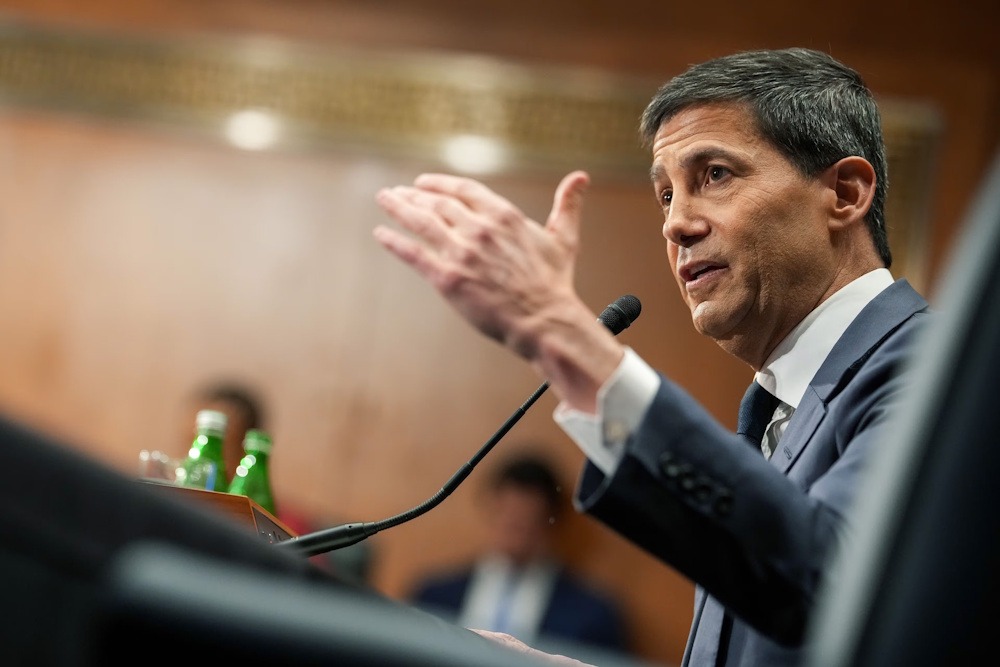
The Federal Reserve raised interest rates on Wednesday and indicated potential further increases in borrowing costs in the months ahead, with new U.S. central bank chief Kevin Warsh participating in a unanimous decision that effectively recognises the Trump administration’s current challenges in managing inflation. President Donald Trump had pledged to reduce prices during his tenure; however, the cumulative effects of his global import tariffs, an energy shock triggered by the onset of the U.S.-Israeli conflict with Iran, and increased capital expenditure driven by the artificial intelligence surge have sustained significant price pressures. Consequently, the Federal Reserve determined it necessary to elevate its benchmark overnight interest rate by a quarter of a percentage point, bringing it to the 3.75%-4.00% range. Recent policy projections indicate that 16 out of 18 policymakers expect at least one additional quarter-percentage-point increase by year-end, while only two foresee rates holding steady from this point onwards.
Warsh apparently again did not submit a rate projection. It marks the inaugural policy adjustment under the new Federal Reserve chair, who assumed office in late May following an appointment by Trump, with the anticipation of interest rate reductions. The Fed’s new policy statement and economic projections indicate a central bank poised to implement tighter monetary policy moving into the next year, with the policy rate expected to rise to the 4.00%-4.25% range by the end of this year and maintaining that level through 2027. “Today’s policy action will support a timelier return to the Committee’s 2% goal,” the central bank said in its policy statement after the end of a two-day meeting. While the statement refrained from providing any forward guidance regarding future policy decisions, consistent with Warsh’s inclination, the decision is expected to alleviate concerns that the Fed chief would postpone tighter policy in consideration of Trump, a persistent inquiry during his initial months in office.
The statement removed an earlier reference linking the current high inflation to “supply shocks,” especially within the energy sector, reflecting apprehensions among policymakers, including Warsh, that the breadth of price pressures was unsettling. Warsh is set to conduct a conference starting at 2:30 p.m. to provide further details regarding the decision. The rate increase was announced less than two months prior to the midterm elections, which will ascertain whether Trump’s Republicans will retain control of Congress during the concluding two years of his presidency. The Republicans are confronting a challenging situation, as voters express dissatisfaction over petrol prices that have surged approximately one-third compared to the previous year, alongside a consistent increase in home mortgage interest rates throughout this year. The average rate on a 30-year fixed-rate mortgage is nearing 7%. Policymakers’ latest quarterly economic projections have revised estimates of inflation, as indicated by the Personal
Consumption Expenditures Price Index, to 3.7%, an increase from the 3.6% forecasted during the Fed’s June meeting. Inflation is not anticipated to revert to the 2% target until 2029, which is a year later than earlier projections. Economic growth has been revised upward from 2.2% to 2.3%, while the unemployment rate is anticipated to conclude the year at 4.1%, compared to the 4.3% forecasted in June. Warsh’s characterisation at his press conference of the rationale behind the rate increase and the probability of additional measures will be crucial in influencing the response in financial markets that have been elevating yields on long-term U.S. Treasury bonds. The rate hike on Wednesday was widely anticipated; however, investors will seek further insights from the Fed chief regarding the potential triggers for additional increases in borrowing costs. Warsh has committed to reducing inflation to 2% “clearly and at sufficient speed” by increasing rates as necessary.