Gold Surpasses US Treasuries as Top Reserve Asset
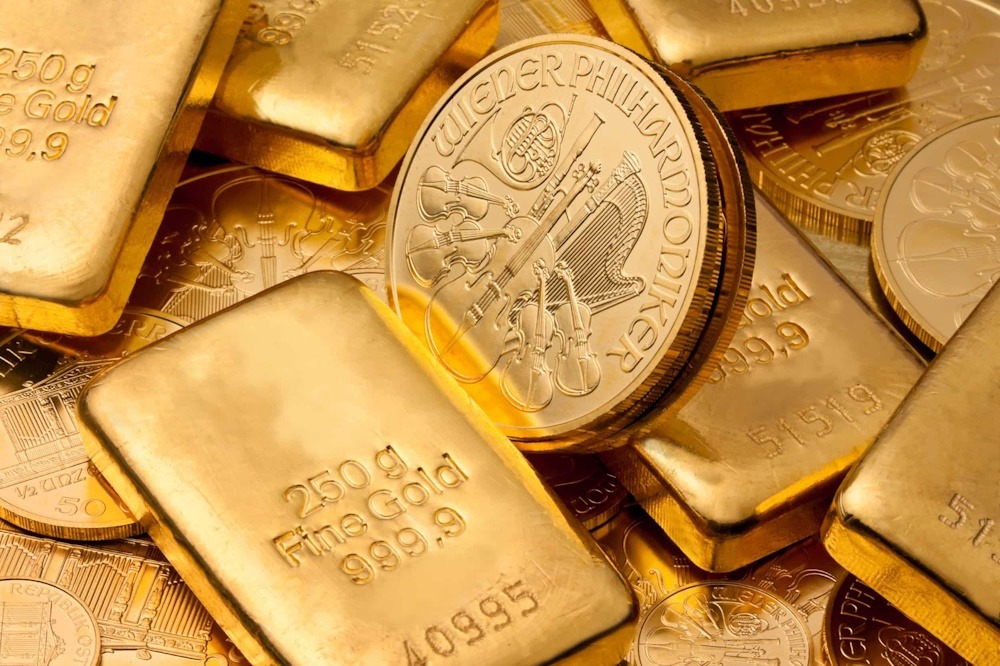
Gold has surpassed US Treasuries as the largest reserve asset held by central banks, indicating a significant transformation in the global financial landscape and reflecting increasing concerns regarding geopolitical risks, sanctions, and reliance on the US dollar. According to the European Central Bank, gold accounted for nearly 27 per cent of global official reserves by the end of 2025, compared with 22 per cent for US Treasuries, as reported. Just a year earlier, US Treasuries maintained their position at the forefront. The change has been propelled by two significant developments: a pronounced rally in gold prices and ongoing purchases by central banks over the past few years. Countries including China, India, Poland, and Turkey have consistently augmented their gold reserves as global tensions and financial fragmentation have intensified. “Gold purchases by central banks eased to around 850 tonnes, from over 1,000 tonnes per year between 2022 and 2024,” the ECB report stated. For decades, US Treasuries — bonds issued by the US government — have been regarded as the safest reserve asset globally. Central banks allocated their foreign exchange reserves into these securities due to their liquidity, stability, and the robust backing of the US economy.
Gold, on the other hand, does not yield any interest and incurs high storage costs. Yet many central banks are now increasingly viewing it as a safeguard against geopolitical uncertainty and potential disruptions associated with sanctions or currency shocks. Consider a nation’s reserves as its contingency savings account. Traditionally, the majority of nations have kept these savings in dollar assets, particularly US government bonds. Now, more countries are reallocating a larger portion of those savings into gold. The move does not indicate that the dollar is collapsing. The US dollar continues to hold a dominant position in global trade and reserves, with dollar-denominated assets comprising the largest share worldwide. However, it indicates that numerous nations are increasingly hesitant to depend excessively on the financial system of a single country. Gold is regarded as politically neutral since it is not under the control of any government. The development is significant as reserve flows impact currencies, bond markets, and the movement of global capital. If central banks reduce purchases of US Treasuries over time, borrowing costs for the US government could gradually rise. Simultaneously, heightened demand for gold has the potential to sustain elevated prices and amplify volatility within commodity markets.
The shift also reflects broader changes in the world economy:
- Countries are moving towards reducing their reliance on the dollar.
- Geopolitical tensions are increasingly influencing financial decisions.
- Central banks are placing a greater emphasis on safety and strategic autonomy rather than focusing on returns.
Analysts caution that this situation is less about abandoning the dollar and more about establishing a more diversified reserve system. The ECB itself noted that gold remains a “awkward” reserve asset because it generates no income and its price can swing sharply. Much of gold’s ascent in reserve rankings has been driven by soaring prices rather than a surge in new purchases. For India, the shift carries significant strategic and economic implications. India’s reserve strategy mirrors this wider global trend. According to the RBI’s FY26 Annual Report, India’s gold reserves stood at 880.52 metric tonnes at the end of March 2026. Gold now constitutes 16.7 percent of the nation’s total foreign exchange reserves, a significant increase from 9.3 percent in September 2024. The RBI has also increased the share of gold stored domestically. Nearly 77 per cent of India’s gold stockpile is now held within the country, compared with 66 per cent 6 months earlier, according to a report.
The trend underscores the increasing focus of central banks globally on not only acquiring gold but also ensuring the physical custody of their reserves in light of escalating geopolitical and financial uncertainty. Increased global demand for gold has the potential to bolster the value of India’s reserve assets; however, it may also lead to a rise in domestic gold prices. That has consequences for inflation, jewellery demand, and India’s import bill, as the country imports the majority of its gold requirements. A sustained rise in gold prices may widen India’s trade deficit as more dollars are required to purchase the same quantity of gold from abroad. Simultaneously, a gradual transition towards diversified reserve systems may prove advantageous for emerging economies such as India, as it could mitigate their susceptibility to abrupt dollar shocks.