Oil prices surge after Trump says interim Iran peace deal is “over”
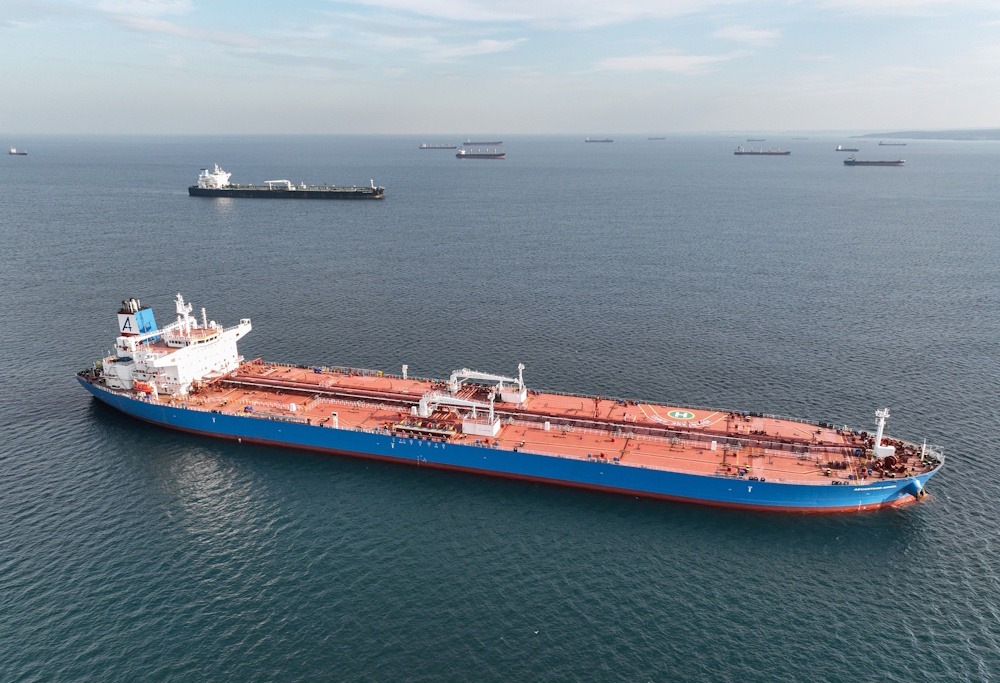
Oil prices experienced a significant increase on Wednesday, following remarks from U.S. President Donald Trump, who expressed his belief that a tenuous truce between Washington and Tehran had come to an end after a new round of hostilities in the Persian Gulf. At 06:48, Brent crude futures, the global oil benchmark, had risen by 5.2% to $78.01 a barrel, while U.S. West Texas Intermediate crude futures gained 5.1% to $74.00 a barrel. During a NATO summit in Turkey, Trump criticised Tehran for its duplicity and expressed scepticism regarding the validity of the agreement. “We make a deal, and everyone’s agreed. No nuclear weapons. We make a deal. They go outside, talk to the press, they say we never even talked about it. There’s something wrong with them. They’re cuckoo. As far as I’m concerned, it’s over,” Trump stated at a NATO summit in Turkey. On Wednesday, Iranian armed forces announced that they had conducted attacks on U.S. military installations in Kuwait and Bahrain. This action was described as a retaliation for American strikes on targets within Iran and the decision by Washington to revoke a sanctions waiver concerning Iranian oil. In a statement referenced by Iran’s state news agency, the paramilitary Islamic Revolutionary Guards Corps reported that it had targeted 85 U.S. military installations and successfully intercepted an American MQ-9 drone. The Pentagon previously stated that its strikes were a reaction to recent Iranian assaults on commercial vessels attempting to navigate the strait, a crucial channel for global oil transportation.
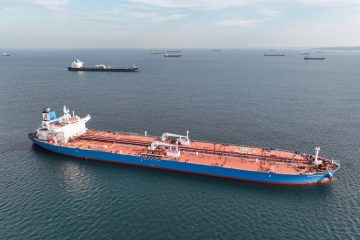
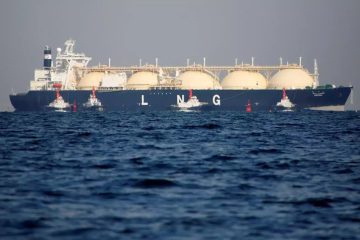
The waterway partially spans Iran’s southern coast. U.S. Central Command reported that it had engaged over 80 targets in Iran, in addition to more than 60 IRGC small boats operating in and around the strait. Meanwhile, the U.S. retracted a significant concession permitting Iran to sell oil on the international stage – a decision that may signal tighter crude markets in the forthcoming weeks. Tehran has refrained from asserting responsibility for the attacks on Tuesday targeting ships off the coast of Oman, which encompassed a Saudi oil tanker and a Qatari vessel carrying liquefied natural gas. The reciprocal strikes have jeopardised negotiations for a lasting resolution to cease hostilities, in addition to a budding recovery in oil transportation via the Strait of Hormuz. Negotiations are currently on hold as funeral ceremonies are being held for former Iranian Supreme Leader Ayatollah Ali Khamenei, who was killed in a barrage at the beginning of a joint U.S.-Israeli assault on Iran in late February.
Crude experienced a significant decline, reaching pre-war lows in June following the establishment of a framework peace deal between the U.S. and Iran. This agreement contributed to enhanced shipping flows through the Strait of Hormuz, a crucial passage for approximately one-fifth of the global oil and liquefied natural gas supply. However, the most recent escalation of hostilities threatens to jeopardise the agreement, casting doubt on the prospects for future peace negotiations between the two nations. “A return to full-scale U.S.-Iran conflict appears unlikely given growing U.S. political pressure to keep oil prices contained ahead of the November midterm elections. However, there is still no clear path to fully securing the Strait of Hormuz,” analysts wrote in a note.
Renewed supply concerns in the Middle East have significantly eclipsed indications of rising supply from other regions, following the agreement by the Organization of Petroleum Exporting Countries and its allies to boost production during a weekend meeting. U.S. inventory data scheduled for release later on Wednesday will be closely monitored for additional insights regarding supplies in the world’s largest oil consumer, particularly following a prolonged reduction in stockpiles attributed to disruptions stemming from the Iran war. Data from the American Petroleum Institute indicated that U.S. inventories experienced a draw of 0.399 million barrels last week, which was smaller than anticipated.