Gold Falls as Markets Expect Inflation Shock
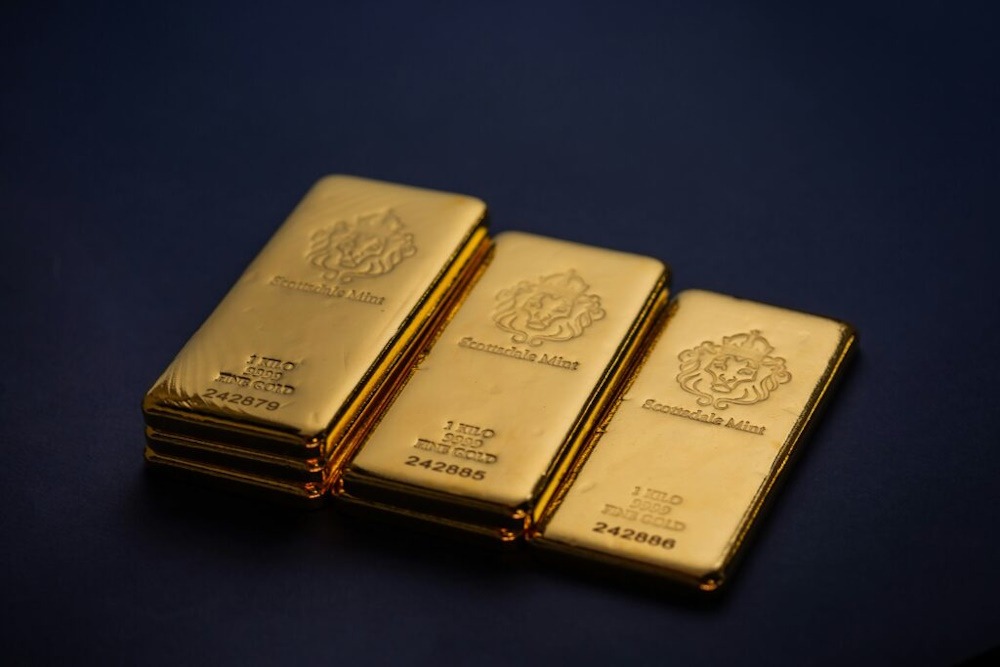
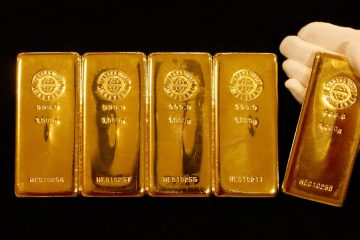
Gold prices continued to decline on Monday following renewed strikes by the U.S. and Iran over the weekend, which resulted in a rise in oil prices. This development has heightened concerns that a new inflation shock could compel the Federal Reserve to maintain a hawkish stance, thereby diminishing the attractiveness of non-yielding bullion. At 01:05, gold prices experienced a decline of 1.54%, settling at $4,057.76 per ounce, while gold futures decreased by 1.17% to $4,065.45 per ounce. Silver prices fell by 2.80%, reaching $58.19 per ounce, and platinum prices saw a decline of 1.61%, landing at $1,604.60. The conflict in the Middle East escalated over the weekend as the U.S. executed another series of strikes on Iranian targets, a response to an assault on a Cyprus-flagged cargo vessel in the Strait of Hormuz.
Tehran announced that the crucial shipping route would remain closed until further notice; however, U.S. officials contested this assertion, underscoring the tenuous nature of the ceasefire negotiations. Oil prices have sustained a significant increase, rising approximately 3% after the escalation over the weekend. This uptick underscores apprehensions that renewed hostilities may impede crude transportation through the Strait of Hormuz, a critical passage for nearly one-fifth of the global oil supply. The prospect of sustained energy price gains has rekindled concerns regarding a potential inflation shock, bolstering expectations that the Federal Reserve may need to maintain elevated interest rates for an extended period. Higher yields and a stronger dollar typically diminish the attractiveness of non-interest-bearing assets like gold. Minutes from the Fed’s June meeting released last week indicated that several policymakers saw a rationale for increasing interest rates.
Meanwhile, officials generally conveyed heightened concerns regarding inflation pressures, despite a reduction in anxieties surrounding the labour market. The upcoming Federal Reserve meeting is scheduled for July 28-29. Investors are currently anticipating the U.S. consumer price index report scheduled for Tuesday, along with Federal Reserve Chair Kevin Warsh’s inaugural congressional testimony, as they seek additional insights into the trajectory of interest rates. Market analyst Tony Sycamore indicates that gold is significantly influenced by geopolitical events and the latest U.S. inflation figures.
He stated that gold found support near the psychologically significant $4,000 level last week, and a sustained break above $4,200-$4,220 would bolster the argument for a more extensive recovery toward the 200-day moving average near $4,491. However, Sycamore cautioned that a stronger-than-anticipated CPI report could solidify expectations for an additional Fed rate hike before the year’s conclusion and strengthen the dollar, thereby exerting pressure on bullion. A softer inflation reading, by contrast, could assist gold in stabilising following recent losses. The US Dollar Index also edged higher by 0.3% on Monday, adding further pressure on dollar-denominated bullion.