Oil Prices Hold Steady Amid Ongoing US-Iran Peace Talks
Oil prices remained relatively stable over the week as traders maintained optimism regarding the potential for a successful resolution in the ongoing negotiations between the U.S. and Iran. Brent futures increased by 14 cents, or 0.19%, reaching $71.94 a barrel by 2:31 p.m., concluding the week only 5 cents below last Friday’s closing price. West Texas Intermediate increased by 9 cents, representing a rise of 0.13%, reaching $68.78 per barrel. Trading activity was subdued as U.S. markets were closed in anticipation of the upcoming Independence Day holiday on Saturday. On Thursday, the two oil benchmarks reached their lowest levels since prior to the onset of the U.S.-Israeli conflict with Iran that commenced in late February. Investor optimism regarding a complete reopening of the Strait of Hormuz is being supported by ongoing peace negotiations between the U.S. and Iran, according to analysts.
“The U.S.-Iran dealmaking process remains fragile but continues for now, as the question of Strait of Hormuz tolls and administration remains contentious,” analysts wrote. “We expect the MoU (memorandum of understanding) to hold, not because trust has suddenly emerged, but because the incentives to break are poor for both sides,” analysts said. Some shipping has resumed through the Strait of Hormuz, as stipulated in the initial U.S.-Iranian agreement, yet uncertainty remains elevated following the exchange of strikes between the two nations last weekend, triggered by an Iranian assault on a cargo vessel. In light of the potential for enhanced oil shipments, producers in the Gulf are actively seeking to boost their output levels.
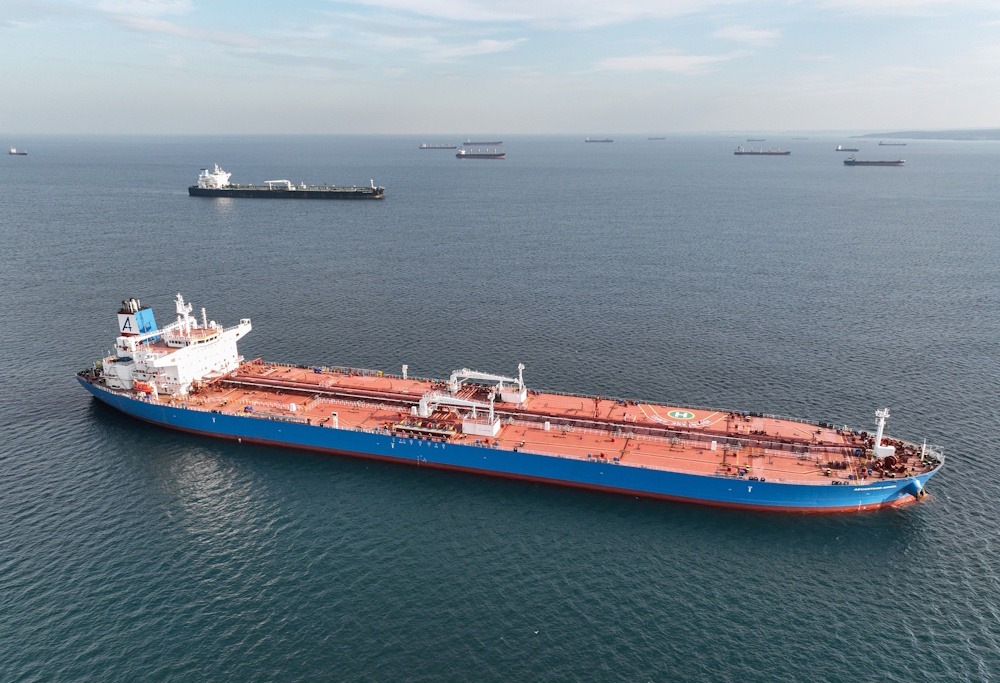
According to a survey, OPEC output in June experienced an increase of 3.3 million barrels per day compared to the previous month. Kuwait’s oil production experienced a significant increase, reaching 1.65 million bpd in June, up from 580,000 bpd in May, according to a source familiar with the situation on Thursday. At least five supertankers transporting a cumulative total of 10 million barrels of Saudi oil have departed from the strait, with Saudi Aramco transitioning to spot pricing from longer-term contracts to expedite sales in Asia, as reported by trade sources and shipping data. “Overall, the recovery in Middle Eastern supply is outpacing our initial expectations while Chinese-depressed import demand remains weak,” said Rory Johnston.
As the availability of supplies increases, the market structure has shifted from backwardation to contango, indicating a decline in expectations regarding future shortages. Brent crude for prompt delivery has been trading this week at levels below contracts for delivery extending up to six months ahead, indicating that rising shipments through the strait have led to a short-term oversupply.