America’s oil refineries max out amid fuel market risks
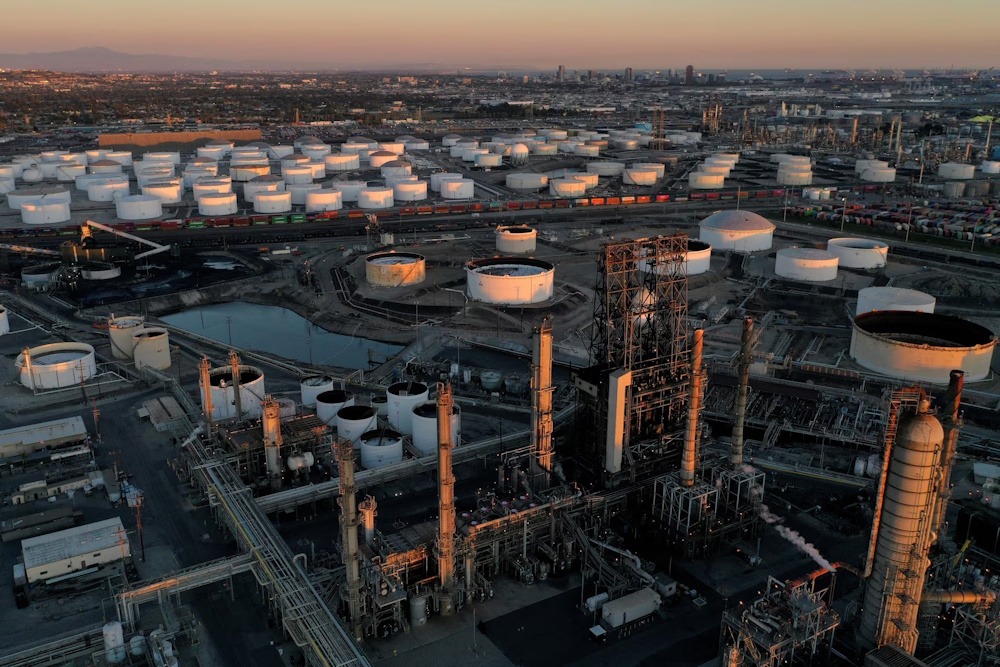
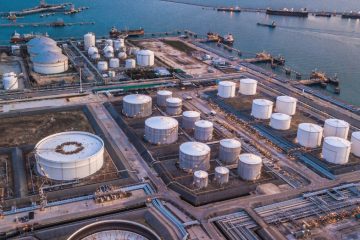
US oil refiners have been operating at maximum capacity for an extended period to seize unprecedented profits, rendering them progressively susceptible to equipment failures amidst a backdrop of already constrained global fuel markets. Nationwide, refiners have been operating at or above the 95 percent utilisation rate, which is commonly considered full capacity, for nearly two months, according to government figures. In at least one region, the Rocky Mountains, fuelmakers have exceeded the 100 percent threshold on two occasions in recent weeks, a rate that even the primary lobbying organization for the refining sector cautions is unsustainable. Operating at peak capacity accelerates the degradation of the units responsible for pressurising, heating, cracking, and reformulating crude oil components into petrol, diesel, jet fuel, and other essential feedstocks vital for the seamless functioning of the world’s largest economy. In the event of a Gulf Coast hurricane or a blackout in the Great Lakes region, fuel production in those areas can come to a complete standstill.
The potential knock-on effects would hit consumers already hammered by the war-driven spike in pump prices, compounding pocketbook issues as the US midterm elections draw nigh. Running near max capacity is “raising the likelihood that equipment failures tighten fuel supply and amplify price volatility,” Rapidan Energy analysts said. “In the real world, running refineries at 100 per cent isn’t sustainable or safe for any long stretch of time,” according to an American Fuel & Petrochemical Manufacturers fact sheet. “Refineries do not run at 100 per cent for long stretches of time, and they’re not meant to.” Case in point: When Hurricane Beryl lashed the Texas coast in July 2024, Gulf Coast refiners were forced to cut the amounts of crude and other feedstocks they processed by more than half-a-million barrels a day, Energy Information Administration data showed. Fuel production in the region experienced a decline for four consecutive weeks as the aftermath of the storm was addressed. Two months following Beryl, Hurricane Francine impacted the Louisiana coast, resulting in a decline in processing for an additional four consecutive weeks.
The Atlantic hurricane season has exhibited a notable lack of activity to date; however, forecasters at the National Hurricane Center indicated on Friday that they are observing a cluster of storms in the eastern Gulf of Mexico, which currently holds a 30 percent probability of intensification within the forthcoming week. Currently, refiners are postponing routine maintenance activities in order to take advantage of exceptionally high fuel production margins. Instead, some are opting for temporary repairs even as extreme heat in certain regions heightens the strain on refining equipment, according to the analysts. Several major refiners have already delayed maintenance to maintain capacity in pursuit of robust margins. Motiva Enterprises LLC has postponed a turnaround at the largest crude unit of its Port Arthur refinery in Texas by one year, now scheduled for the autumn of 2027, according to sources familiar with the operations.
Any significant disruption could exert a disproportionate effect due to the notably low levels of domestic fuel reserves. Inventories are under pressure due to strong demand for US diesel, which is compensating for production losses stemming from conflicts in Russia and the Persian Gulf. Additionally, petrol imports have fallen to a 29-year seasonal low. Equity investors, in contrast, are expressing enthusiasm for refiners. Valero Energy Corp., Phillips 66, and Marathon Petroleum Corp. reached all-time high share prices on Friday. Fuelmakers are likely to maintain production levels to capitalise on substantial profit margins, according to Raul Calzada. “Margins should continue to incentivize refiners to run really hard probably into next year,” Calzada said. “There’s not a lot of maintenance in the books for second half of the year.”