Trump claims Iran accepts long-term nuclear checks
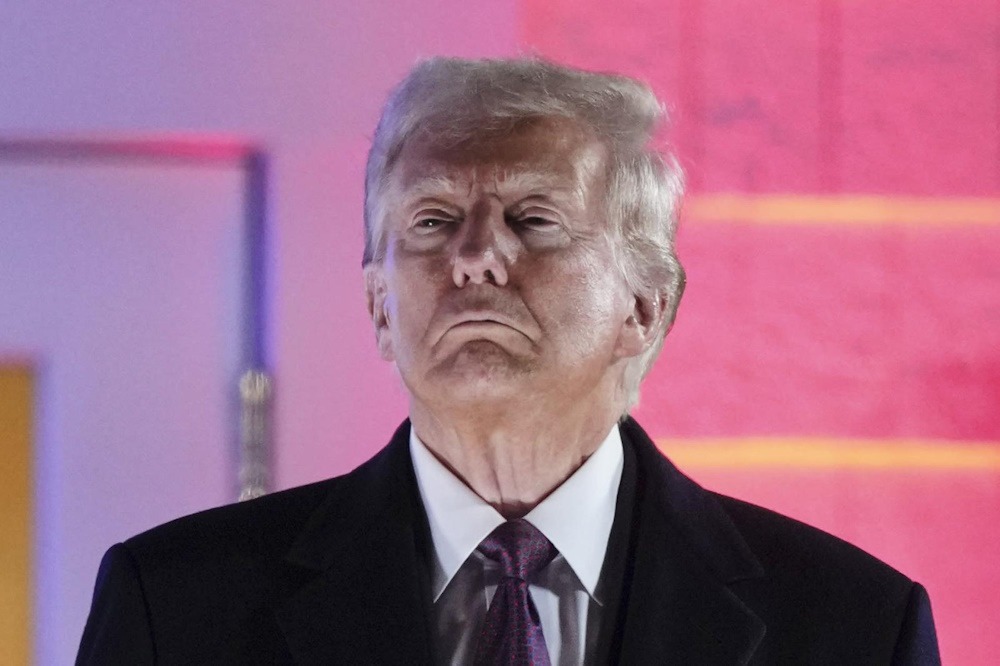
US President Donald Trump asserted on Tuesday that Tehran has agreed to long-term, comprehensive oversight of its nuclear infrastructure. Concurrently, Washington will alleviate shipping constraints in the Strait of Hormuz and provide financial concessions, contingent upon rigorous American oversight. In a comprehensive statement on Truth Social, Trump claimed that the Iranian leadership had made substantial concessions during the current diplomatic negotiations aimed at creating a thorough peace framework in the aftermath of prolonged conflicts in the Middle East. “Despite their protestations and false statements to the contrary, coupled with the drumbeat of the Fake News, which is doing everything possible to make the U.S. Victory as small and insignificant as possible, Iran has fully and completely agreed to the highest-level Nuclear inspections long into the future (Infinity!!!). This will ensure ‘Nuclear Honesty.’ If they did not agree to this, there would be no further negotiations!” Trump stated.
The US President further revealed that Washington has permitted the strategic maritime corridor to remain unobstructed, halting subsequent naval containment operations while preserving complete military readiness across the region. “Based on this and other major concessions being made by Iran, I have agreed to allow the Hormuz Strait to remain OPEN, with no further Naval Blockade. However, all ships are remaining in place should it be necessary to reinstitute the Blockade, which seems, at this point, highly unlikely,” he noted. However, the White House’s declarations encountered prompt public opposition from the Iranian administration concerning the extent of the nuclear monitoring framework. Esmaeil Baqaei has made it clear that Tehran has not agreed to any oversight by the International Atomic Energy Agency concerning particular atomic facilities that have been impacted by prior military actions from the United States and Israel. “We have not had a meeting with the director general of the IAEA, nor do we have any plans for the agency to inspect Iran’s nuclear facilities damaged by the US and Zionist military aggression,” Baqaei stated.
In alignment with this perspective, Iran’s Permanent Representative to the United Nations, Ali Bahreini, rejected the claims, emphasising a significant discrepancy between Washington’s official narrative and Tehran’s public statements. Addressing the economic aspect of the negotiations, Trump emphasised that any relief from economic sanctions or the unfreezing of monetary assets would be placed under absolute US jurisdiction, restricted entirely to purchasing basic provisions from domestic American producers. “The Money and/or Sanctions that the US Treasury is releasing go into escrow, controlled by the U.S.A., and will be used for the purchase of food and medical supplies, exclusively from the United States, including Corn, Wheat, and Soybeans from our great American Farmers,” Trump explained. Characterising the domestic situation within Iran as a severe humanitarian crisis, the US President remarked, “These are things that are desperately needed by Iran. This is a humanitarian crisis, and I feel it is necessary to help, NOW, before it is too late.” Trump concluded his remarks on a positive note regarding the diplomatic engagement, writing, “Talks are going well!”
These significant updates follow the first round of direct US-Iran bilateral discussions in Switzerland, which were launched after both capitals approved a preliminary memorandum of understanding aimed at finalising a comprehensive agreement within a 60-day timeframe. The high-stakes dialogue centers on addressing entrenched disputes, encompassing the path of Iran’s nuclear enrichment, the intricacies of sanctions lifting, and overarching regional stability. Despite the evident intensification of diplomatic initiatives, fundamental disagreements remain, particularly regarding international verification access, the enduring maritime governance of the Strait of Hormuz, and the restitution of frozen Iranian financial assets.