Andy Burnham Set to Succeed Keir Starmer as UK PM
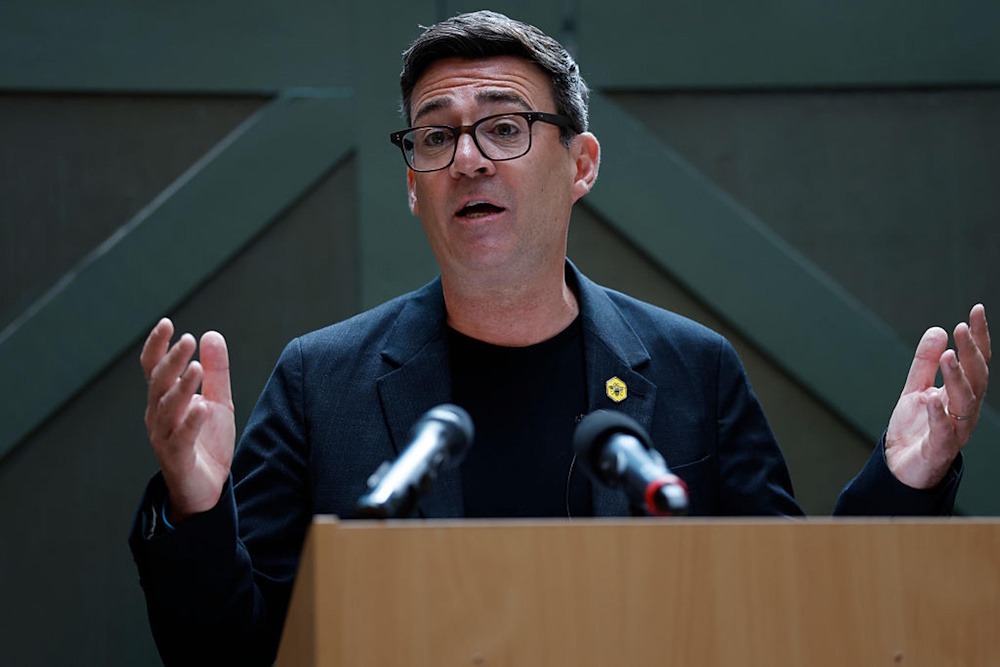
Nominations will commence on Thursday for a Labour Party election aimed at selecting a successor to Keir Starmer as Britain’s prime minister. This contest is anticipated to feature only a single candidate. Former Greater Manchester Mayor Andy Burnham is set to gather signatures from Labour lawmakers, requiring a minimum of 80 to proceed with his candidacy—a target he is expected to surpass comfortably. Other potential contenders have all eliminated themselves from consideration. Former Defence Minister Al Carns, who had been considering a candidature, confirmed late Wednesday that he will not contest against Burnham.
“I’d hoped a leadership contest would give us the opportunity for a proper debate,” Carns said in a statement. “But months of internal Labour politics isn’t what the country needs right now. We’ve got to get on with the job. Andy Burnham’s earned this and he’s got my full backing.” Nominations will continue to be accepted until July 16. Burnham is poised to be announced as the new Labour leader the following day, with expectations to assume the role of prime minister after a meeting with King Charles III on July 20.
Starmer announced last month his intention to resign immediately upon the selection of a successor by his centre-left party. He was elected in a landslide in July 2024, but resigned after two years in office characterised by missteps and judgement errors that diminished his standing with both his party and the public. Burnham dedicated nearly ten years to managing Manchester in the northwest of England prior to his return to Parliament, which he achieved by securing victory in a special election last month. He is pledging significant transformation, committing to overturn nearly twenty years of sluggish growth following the 2008 financial crisis through a strategy referred to as “Manchesterism” – leveraging both private and public funds to invest in sectors such as transport, housing, and infrastructure.
However, he will encounter numerous political and economic hurdles akin to those faced by Starmer, such as a lacklustre economy, deteriorating public services, and a cost-of-living crisis. He also assured consistency in foreign policy, stating that the government’s “commitment to NATO and the UK’s nuclear deterrent will remain absolute.” He stated that Britain will continue to be a steadfast ally of the United States and a robust supporter of Ukraine.