Small firms are challenging Trump’s latest worldwide tariffs
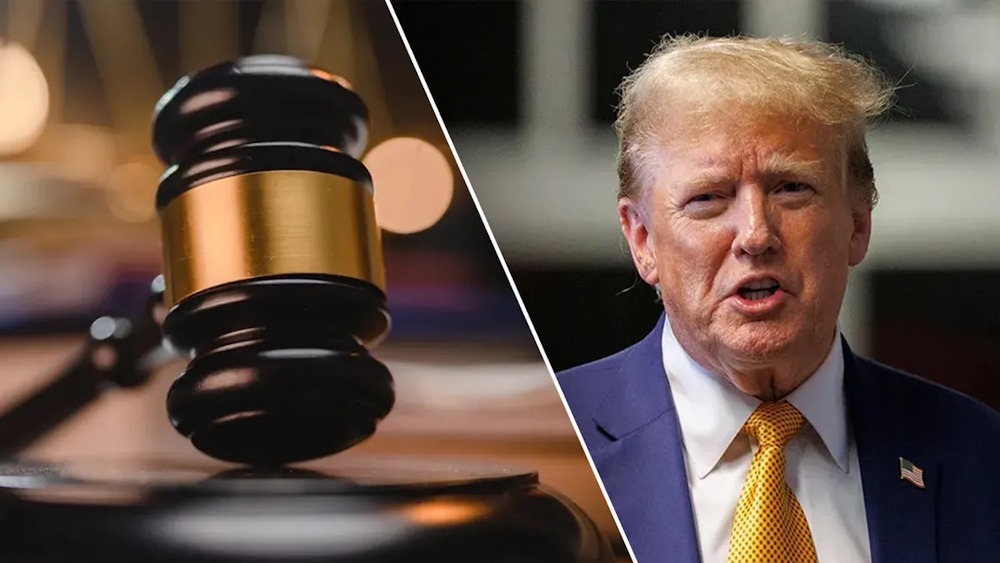
The Trump administration is encountering a new legal obstacle regarding the president’s most recent implementation of global tariffs that commenced on Friday. Small businesses have initiated two lawsuits in the US Court of International Trade, alleging that President Donald Trump and US officials have unlawfully invoked Section 301 of the Trade Act of 1974 to substitute previously invalidated tariffs as determined by the US Supreme Court. The Trump administration announced Thursday that the US will impose duties ranging from 10 per cent to 12.5 per cent on imports from the majority of its major trading partners. The action taken under Section 301 was a result of an investigation into the purported inability of approximately 60 economies to eliminate forced labour within their supply chains, which adversely affects American workers. Trump seeks to reinstate a tariff wall that was dismantled in February following a Supreme Court ruling which deemed his global levies, enacted under the International Emergency Economic Powers Act, or IEEPA, as illegal.
Trump subsequently imposed 10 percent global tariffs under Section 122 of the Trade Act. These tariffs were ruled illegal by a trade court but were permitted to remain in effect during the appeal process. The Section 122 tariffs are set to expire on Friday. Section 301 empowers the US Trade Representative, acting under presidential guidance, to levy tariffs in reaction to trade practices from other countries that are considered discriminatory against American enterprises or in breach of US entitlements under international trade accords. Representatives from the trade office, the White House, and the Justice Department did not provide immediate responses to enquiries for comment. In a recent filing, attorneys representing two small enterprises — spice importer Burlap and Barrel Inc. and watch retailer Collective Horology LLC — contended that the newly imposed tariffs did not align with the “country-specific inquiry” anticipated by Congress during the enactment of Section 301. They initiated the case as a proposed class action suit encompassing all importers of record who will incur the new tariffs. “It is not a freestanding authorisation to tax substantially all imports from substantially all trading partners at rates selected to replicate the invalidated IEEPA tariff regime,” they wrote.
The businesses argued that the trade representative failed to explain “how each economy’s particular practices burden or restrict United States commerce, rather than relying on generalised assertions regarding the effects of forced labor and forced-labor inputs in global supply chains.” Sara Albrecht, stated that “forced labour is morally indefensible, but an important objective does not give the government permission to ignore the law.” Liberty Justice Center has previously initiated legal actions contesting the IEEPA and Section 122 tariffs. Another lawsuit challenging the Section 301 tariffs was filed on Friday on behalf of seven businesses, including two educational toymakers — Learning Resources Inc. and hand2mind Inc. — that were involved in the earlier IEEPA tariff litigation that reached the Supreme Court. The most recent legal proceedings arise as the administration grapples with the repercussions of the IEEPA tariffs.
In the months following the Supreme Court’s invalidation of those tariffs, customs authorities have faced refund requests from thousands of businesses that remitted approximately $166 billion in collected levies. The ongoing disputes over IEEPA refunds offer a glimpse into the potential logistical and legal challenges that lie ahead for all parties involved in the disputes regarding the new Section 301 tariffs — including the government, businesses, and the trade court based in New York. The trade court declined requests from companies to prevent the administration from enforcing the IEEPA tariffs prior to the Supreme Court’s ruling, resulting in an increase in the volume and complexity of the disputed levies over several months. The US government has disbursed billions of dollars in IEEPA tariff refunds to date; however, the Justice Department persists in contesting the scope of the trade court’s authority to determine the operational framework of that process. The administration is contesting a judge’s ruling that mandates a comprehensive recalibration of tariffs for all importers who have paid them, contending that the judge’s authority is limited to issuing orders applicable solely to the parties involved in the case.