Senate Approves Kevin Warsh as New Federal Reserve Chair
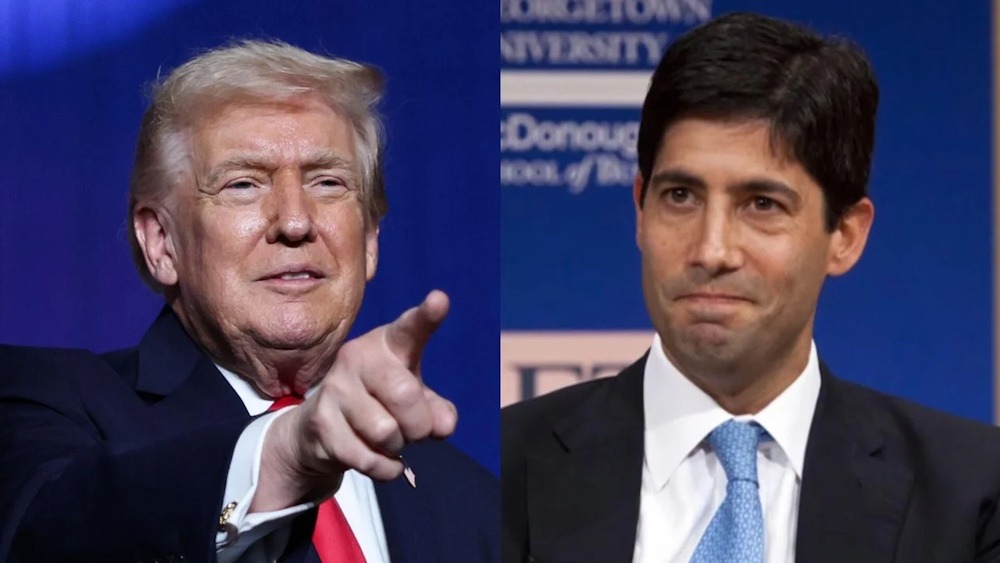
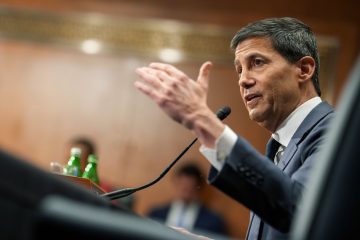
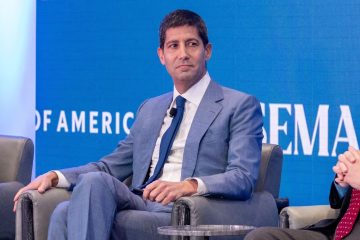
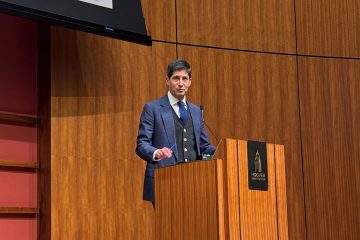
The Senate confirmed Kevin Warsh as the 17th chair of the Federal Reserve. He enters a central bank that has encountered considerable political pressure from President Donald Trump, in an economy influenced by geopolitical tensions that are driving inflation upward. Warsh will officially succeed Fed Chair Jerome Powell, whose eight-year tenure was marked by numerous economic challenges and a contentious struggle with the White House to maintain the political independence of the US central bank. The confirmation of Warsh was achieved with a 54-45 vote, largely reflecting party divisions, except for Democratic Senator John Fetterman from Pennsylvania, who cast his vote in favor of Warsh’s nomination. The vote for the Fed chair nominee underscored a significant degree of partisanship, revealing the unease among Democrats concerning Trump’s stance on the Fed, whereas Republicans predominantly show support for Warsh’s leadership. Warsh is typically viewed as aligning more closely with President Donald Trump, who has repeatedly advocated for rate cuts. However, he is set to take on his responsibilities as inflationary pressures escalate amid the US-Israeli conflict with Iran.
In April, inflation reached a three-year high, as reflected in the latest Consumer Price Index, and now surpasses the rate of wage growth. The energy shock is complicating expectations for a swift decrease in interest rates, prompting investors to foresee that the Federal Reserve will keep its benchmark lending rate steady for the rest of the year — or possibly raise rates if inflation intensifies. The potential scenario is likely to intensify Trump’s frustration, prompting him to direct his dissatisfaction towards Warsh in a manner akin to his treatment of Powell. The president wittily proposed earlier this year that he might pursue legal measures against Warsh if he does not reduce interest rates. Nonetheless, the chair of the Federal Reserve constitutes just one vote within the Federal Open Market Committee that engages in deliberations regarding interest rate adjustments. While Warsh would guide the agenda at each Federal Reserve meeting, he would not possess unilateral authority over the decisions reached by the majority of the committee. A segment of policymakers with voting authority has expressed considerable concerns about inflation at this time. The Warsh era at the Fed is expected to usher in a series of changes within the institution.
The incoming Fed chief has proposed a reduction in the size of the Fed’s $6.7 trillion balance sheet; closer coordination with the Treasury Department regarding the balance sheet; a decrease in the number of policy meetings each year from eight to potentially as few as four; a reduction in the frequency of news conferences; a downsizing of the Fed’s Washington-based workforce; and a less frequent indication of the trajectory of interest rates. Analysts contend that all proposed changes would be encompassed by Warsh’s authority as chair. The most significant policy adjustment for Warsh may relate to the balance sheet. For years, Warsh has consistently asserted that the Fed should diminish its presence in financial markets by contracting the balance sheet, enabling central bankers to predominantly depend on their conventional instrument — the key interest rate — to combat elevated inflation and unemployment rates. Following the Great Financial Crisis and later during the pandemic, the Federal Reserve undertook the acquisition of significant quantities of assets, including Treasury bonds, to strengthen the economy, a tactic known as quantitative easing. Warsh argues that these policies undermine the autonomy of the Federal Reserve, as they essentially function to provide financial backing to the government. He argues that the central bank should hasten the reduction of its significant holdings, which include mortgage-backed securities and government bonds, as soon as possible.
The endeavor by Trump to designate a new chair of the Federal Reserve unfolded over several months, culminating in a contentious confirmation process. This process encountered setbacks, particularly as a result of the intervention by a notable Republican figure, North Carolina Senator Thom Tillis, who pressed for the Justice Department to conclude an investigation related to Powell. This inquiry was connected to the statements made by the Fed chair to Congress the prior year concerning budget excesses related to a refurbishment initiative at the Federal Reserve’s main office in Washington, DC. The DOJ investigation intensified apprehensions regarding the Trump administration’s efforts to compromise the Federal Reserve’s independence, possibly paving the way for political interference in the setting of interest rates for the world’s largest economy.
Powell unequivocally condemned the investigation as politically motivated, stating in a video statement that it arose from broader “threats and ongoing pressure” from the administration. The investigation, led by DC US Attorney Jeanine Pirro, was ultimately halted; nonetheless, Pirro suggested that she may revisit the matter if the Federal Reserve’s inspector general reveals any evidence of wrongdoing or failure to fulfill responsibilities. The first meeting of Warsh in his capacity as chair of the Federal Reserve is set for June 16-17, with former Chair Powell remaining in his role as governor for the moment. At his last news conference as chair last month, Powell congratulated Warsh and expressed his readiness to assist him in any capacity, while also stepping aside to enable the incoming Fed chief to assume governance responsibilities. It is customary for Fed chairs to resign from the board completely upon the completion of their leadership at the central bank. Powell has expressed his commitment to stay in his position until he determines that Pirro’s investigation has come to a close. The only other individual to have held the position of chair of the Federal Reserve and remain in that role was Marriner Eccles in 1948, who subsequently continued to serve on the board for several more years.