Fed Officials Clash Over Rate Cut Signal in Policy Statement
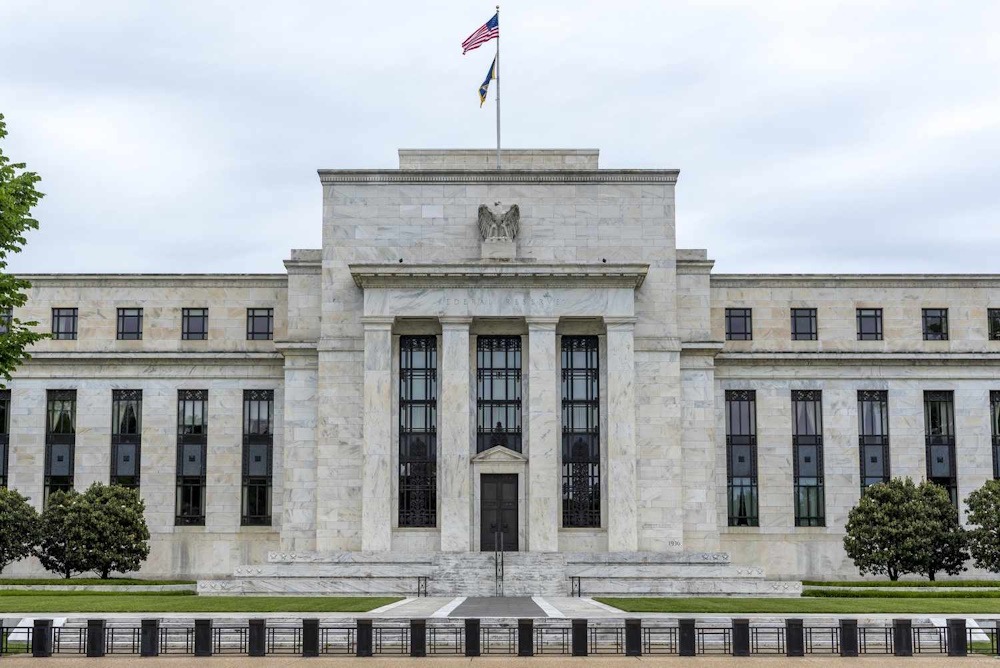
A single word in the Federal Reserve’s extensive policy statement issued this week is generating concern among its officials, with some cautioning that it may ultimately have detrimental effects on the US economy. That term is “additional.” Since the early 2000s, the Fed has indicated whether interest rates might rise, fall, or stay the same — referred to as “forward guidance” — through the public comments of officials and policy statements following each meeting. On Wednesday, the latest forward guidance suggested that lower interest rates could be the only option ahead, stating it will contemplate “additional adjustments to the target range for the federal funds rate.” This week, the Fed made the decision to maintain its key interest rate, marking the third consecutive meeting without any changes. The term “additional” specifically elicited objections. According to the Fed on Wednesday, presidents Lorie Logan of Dallas, Beth Hammack of Cleveland, and Neel Kashkari of Minneapolis “did not support inclusion of an easing bias in the statement at this time,” leading all three to cast dissents. The three Fed presidents issued statements on Friday explaining why that decision was erroneous.
Since 2024, the Fed has only made downward adjustments to the target range, primarily influenced by indications of a weakening economy. However, the economic landscape has shifted significantly this year: The US-Israeli conflict with Iran, which commenced on February 28, has maintained global oil prices at approximately $100 a gallon for several weeks, resulting in sustained high gas prices in the US. According to Fed officials, there can be serious economic consequences if the Fed misreads the economy — even communicating the wrong direction for interest rates can be risky. “The Fed’s forward guidance influences financial conditions and the economy,” Logan said in a statement Friday, “and it affects the achievement of the (Fed’s) maximum employment and price stability goals.” Kashkari reiterated that in a separate statement on Friday. Officials adhere to their forward guidance to maintain market stability, enhance the effectiveness of monetary policy, and shape financial conditions.
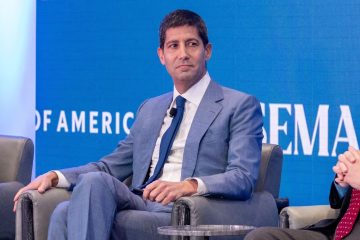
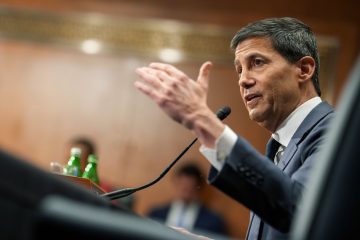
Observers of the Federal Reserve interpreted the inclusion of “additional” in the policy statement as indicative of a “easing bias,” suggesting that officials may be inclined to lower rates in the near future, while also indicating that rate hikes are unlikely. It was an uncommon form of disagreement regarding language, rather than the interest rates, within a policy statement. Kevin Warsh, President Donald Trump’s selection to head the Fed, is poised to assume leadership in a matter of weeks, and Warsh may advocate for lower rates, given that he was nominated by a president who has consistently championed rate cuts. The situation is also fostering the impression that the Fed is inclined to reduce rates, a stance that the three dissenting Fed presidents strongly oppose. Their dissents, along with Miran’s distinct one advocating for a rate reduction this week, culminated in four dissents, marking the highest number since October 1992. Hammack’s statement articulated that “this clear easing bias” is “no longer appropriate given the outlook” because not only is the Iran war fueling inflation pressures, but the US labor market appears to have stabilized, indicating there’s no immediate need to implement rate cuts to stimulate the economy. Warsh himself has stated, “he isn’t a fan of forward guidance.”
“Unlike many of my colleagues, past and present, I don’t believe in forward guidance,” he stated during his confirmation hearing last week. “I don’t believe that I should be previewing for you what a future decision might be. I believe it is crucial for the Fed to make decisions within the confines of the room.” Warsh did not indicate during his confirmation hearing the direction interest rates should take. Nonetheless, the series of dissents this week indicates that Warsh will probably face significant challenges in persuading his colleagues to reduce rates if he is confirmed. “Kevin Warsh will take over as chair by the Fed’s next meeting in mid-June, but the rest of the Fed’s leadership are maintaining a high bar for a rate cut,” said Bill Adams.