Warsh Faces Hurdles to Rate Cuts Despite Fed Nomination
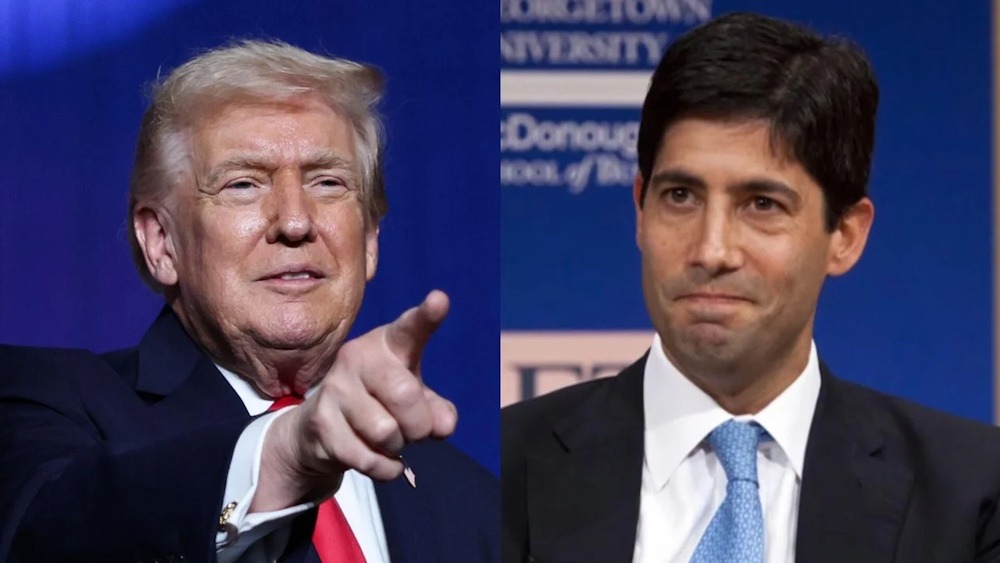
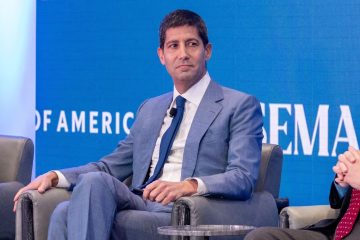
Kevin Warsh, President Donald Trump’s selection to head the Federal Reserve, is now well-positioned to take on one of the most influential roles in the global economy — potentially promoting an agenda that corresponds with Trump’s inclination for reduced interest rates. Nonetheless, with Warsh in charge, achieving a significant reduction in interest rates will remain a challenging endeavor. The president has explicitly expressed his desire for this outcome, even humorously suggesting he might take legal action against Warsh should he fail to implement rate cuts.
However, Federal Reserve officials generally reduce borrowing costs when inflation is decelerating, unemployment is increasing (and potentially poised to rise further), or a combination of these factors — none of which is currently occurring. Currently, there are four barriers impeding the prospect of a rate reduction:
- Energy prices continue to be high as a result of the persistent conflict involving the US and Israel against Iran.
- Consumer spending has demonstrated resilience, as reflected in the strong earnings reported by US companies during the initial quarter of the year.
- The labor market in America exhibits signs of weakness; however, it appears to have reached a point of stabilization.
- The chair of the Federal Reserve does not possess sole authority regarding the interest rate decisions of the US central bank.
Despite the inflationary pressures stemming from the Iran war, the US economy is demonstrating a notable degree of resilience. This situation permits Federal Reserve officials to exercise caution, remaining on the sidelines to observe developments before deciding whether to adjust interest rates, as indicated by several of them in recent public addresses. The Senate Banking Committee, responsible for approving Federal Reserve nominees, is scheduled to cast its vote on Warsh’s nomination Wednesday morning. If confirmed to serve as Fed chair, Warsh would possess significant authority, directing the agenda of each Federal Reserve meeting. However, he would remain merely one vote within the Federal Reserve’s 12-member rate-setting committee, which operates on a consensus-driven decision-making process. “Warsh is in the unfortunate position, through no fault of his own, to probably be the least influential Fed chair in a long time,” stated Christopher Hodge during an interview. “He faces significant challenges in persuading the other members of the Fed’s rate-setting committee to expedite rate cuts.” The most recent data on inflation and energy prices presents a significant challenge for any Federal Reserve official to rationalize a reduction in interest rates prior to the autumn season. The Consumer Price Index experienced its most rapid monthly increase in March since 2022, elevating the annual rate to 3.3%, marking the highest level in over two years. The surge was primarily propelled by gas prices, which escalated by an unprecedented 21.2% over the month. The Federal Reserve’s overarching annual inflation objective stands at 2%.
Global oil prices persist at approximately $100 a gallon amid the ongoing standoff between the US and Iran. The elevated levels of US gas prices persist, as the national average price of gasoline remains above $4 per gallon. Federal Reserve Chair Jerome Powell, along with several other officials from the Fed, has indicated that inflation resulting from conflict is expected to be transitory, with a decline anticipated by year-end. However, the extended duration of the Trump administration’s efforts to negotiate a resolution to the protracted conflict in the Middle East will inevitably delay the Federal Reserve’s ability to reduce interest rates once more — even if Warsh is appointed as early as next month. “For this year, we do not see the fact of a new Chair as changing the outcome” of two rate cuts, Morgan Stanley economists noted in an analysis Monday. “Inflation risks dominate.” Chicago Fed President Austan Goolsbee indicated in a recent speech that it is conceivable the Fed may refrain from cutting rates until 2027. A declining economy, facing potential deterioration, can often serve as sufficient justification for the Federal Reserve to reduce interest rates. However, this is not the situation — at least at this moment. Approximately one-third of firms within the S&P 500 have disclosed their earnings for the first quarter, with a significant majority (84%) surpassing analysts’ forecasts, as reported. Earnings results for the second quarter will serve as a more accurate indicator of the performance of US businesses amid the Iran war. These figures may prove to be favorable, primarily due to one significant factor: Consumer spending, which is the foundation of the US economy, has shown resilience this spring, as indicated by the latest data, even though Americans are experiencing an unusual level of pessimism regarding the economy.
In March, retail sales exhibited an upward trend across the majority of categories, as indicated by data released by the Commerce Department last week. When excluding price spikes at gas stations, retail sales experienced an increase of 0.6% in March compared to the previous month, a slight decline from February’s 0.7% growth. “The core activities of the economy continue to push along even with all the uncertainty,” stated Brian Moynihan. Over the past year, US job growth has been sluggish as companies have delayed hiring plans, feeling immobilized by the significant changes in economic policy, including Trump’s extensive new tariffs on all global trading partners. The conflict in Iran has emerged as yet another factor contributing to uncertainty, causing companies to exercise caution. However, none of the events that have transpired since Trump commenced his second term, including the conflict in Iran, have resulted in a significant increase in layoffs. In the week ending April 18, new applications for unemployment benefits increased by 6,000, bringing the total to 214,000, which remains firmly within a historically low range. The national unemployment rate has seen a gradual increase in recent years; however, it continues to be relatively low, standing at 4.3% as of March. According to an analysis, the most challenging days for the labor market may indeed be behind us. “The US labor market has entered a unique balance in the post-pandemic era,” stated Henry Wu. “The labor market may be in an upturn,” he stated.
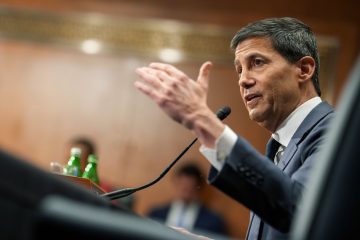
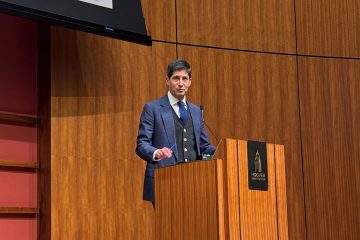
Although Warsh might find it challenging to advocate for more than one or two rate cuts this year, his leadership is expected to herald a new phase at the Fed. The Fed nominee during his confirmation hearing last week pledged to implement “regime change” at the central bank, contingent upon his confirmation, which may involve a reduction in the frequency of policy meetings annually and the introduction of a new inflation “framework.” Since the 1980s, the Federal Reserve has convened eight times annually to determine interest rates, although it is mandated by legislation to meet on a quarterly basis. Warsh informed lawmakers that four meetings annually “is not enough,” yet refrained from committing to the established practice of holding eight meetings per year. The necessity for Warsh to secure consensus among other Fed officials regarding a reduction in the frequency of meetings remains ambiguous. Warsh reiterated his longstanding critique that central bankers engage in excessive communication, proposing the possibility of eliminating the post-meeting news conferences that have become standard practice following every Fed meeting since the tenure of former Fed Chair Ben Bernanke. However, he noted that when he does engage with reporters, it would be essential to understand their inquiries of the day.