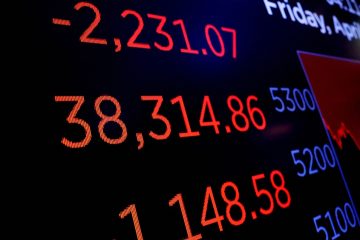
Global stocks stay strong as AI surge overshadows Middle East unrest
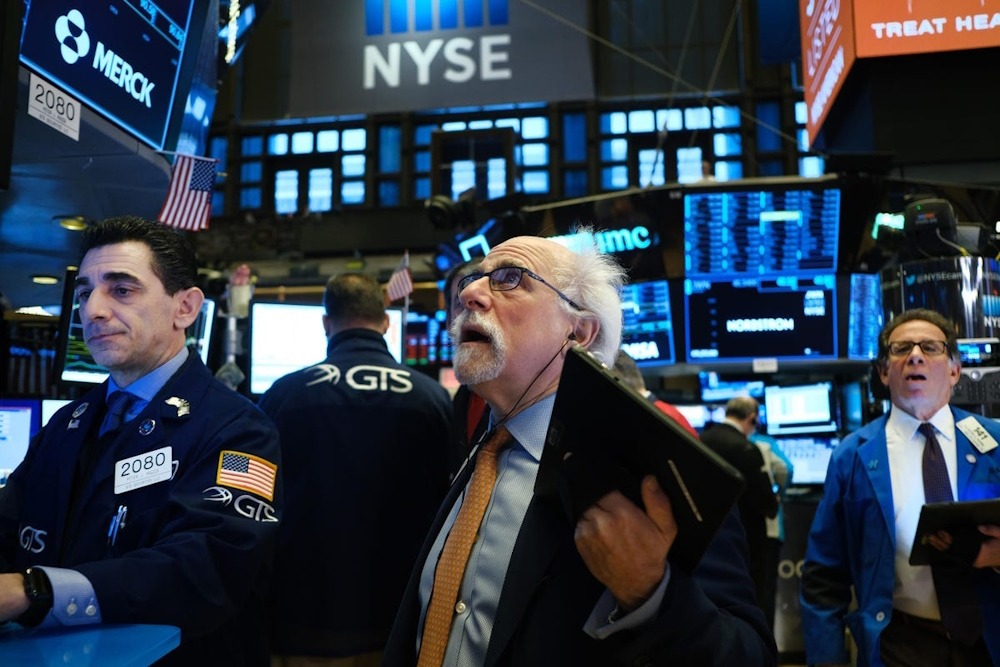
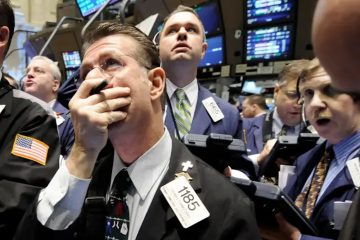
Global equities remained stable close to historical peaks on Monday, propelled by the ongoing surge in artificial intelligence, which counterbalanced reports of new assaults in the Gulf that posed a threat to the optimism surrounding a reopening of the Strait of Hormuz and contributed to rising oil prices. Iran and the United States reported conducting strikes on military targets, with both nations accusing one another of aggressive actions as diplomatic efforts to resolve the ongoing conflict continue to falter after three months. While negotiators from Washington and Tehran are seemingly engaged in discussions to finalise an agreement, U.S. President Donald Trump had remained quiet regarding their advancements until he suggested that everyone should “just sit back and relax”. Speaking on Saturday, Defence Secretary Pete Hegseth indicated that the U.S. was prepared to resume military actions against Iran should negotiations fail to yield a satisfactory agreement. On Monday, reports surfaced indicating that U.S. forces had targeted Iranian positions over the weekend, prompting a retaliatory response from Tehran. Additionally, it was noted that Kuwaiti defences were successfully intercepting missile and drone attacks.
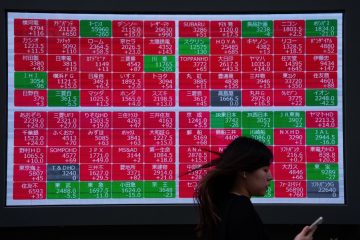
Brent crude futures increased by approximately 3.3% to $94.12 a barrel, leading to a selloff in government bonds, which have been adversely affected by rising expectations of interest rate hikes aimed at addressing potential inflation spikes. S&P 500 futures increased by 0.3%, and Nasdaq futures also rose by 0.3% following the benchmark indexes reaching record highs last week. The MSCI All-World index was flat on the day, close to record highs, as markets from Tokyo to Seoul traded at or near all-time peaks, underpinned by avid demand for anything AI-related. Despite the ongoing attacks from both sides, the market remains anchored in the belief that negotiations are still in progress, and that a potential Iran/U.S. agreement to resolve the conflict in the Middle East and facilitate the reopening of the Strait of Hormuz may yet be achieved,” Kathleen Brooks stated. As attention turns to a series of macroeconomic releases later this week, it will be essential for investors to monitor the developments closely, as any postponement in finalising an agreement could adversely affect market sentiment,” she stated.
The surge in AI enthusiasm was highlighted by data indicating that South Korea’s exports experienced their most robust annual growth in over forty years in May, reaching a historic $87.75 billion. Nvidia’s CEO Jensen Huang will inaugurate the Computex trade show in Taiwan on Monday with a discourse on artificial intelligence, where he is anticipated to elaborate on his company’s recent product initiatives and the island’s pivotal position within the sector. European stocks experienced a slight decline today, with gains in energy shares counterbalanced by losses in the airline and defence sectors. The inflationary pulse from oil continued to exert pressure on bond markets, with U.S. 10-year yields increasing by 1.2 basis points to 4.465%, while yields on 10-year German debt experienced a rise of 5 basis points on the day, reaching 2.98%. “Market needs an agreement to open the Strait of Hormuz, to provide the next leg higher in equities and lower in rates,” wrote Mohit Kumar in a note. “As we enter June, attention will shift towards the central bank meetings scheduled for the upcoming weeks,” he stated. A number of Federal Reserve officials are scheduled to deliver remarks this week, coinciding with significant U.S. economic indicators such as the ISM manufacturing survey and the payrolls report for May, which is due on Friday.
Market forecasts indicate a robust increase of 85,000 in employment, maintaining the unemployment rate at a stable 4.3%. Any increase in strength would probably lead to a further narrowing of the odds for a walk. The lineup of Federal Reserve speakers throughout the week should continue to reinforce a balanced two-way policy approach, with officials remaining open to both rate hikes and rate cuts depending on incoming data,” Chris Weston stated. Consequently, expectations may build that the Fed gradually shifts from its easing bias towards a more neutral policy stance in the months ahead. Markets suggest an equal probability that the Federal Reserve may need to increase rates by the end of the year, contributing to the dollar’s strength against various currencies, particularly the Japanese yen. The dollar appreciated by an additional 0.1% against the yen, reaching 159.44, which is just shy of the 160 threshold that many analysts speculate could prompt another wave of official intervention aimed at strengthening the Japanese currency. In other developments, the growth of manufacturing in the euro zone experienced a slowdown in May, as demand for goods remained stagnant. Additionally, supply-chain disruptions associated with the conflict in the Middle East have led to input costs reaching their highest levels in four years, according to a survey released on Monday.