Warsh era begins with 2026 rate rise bets in US treasury market
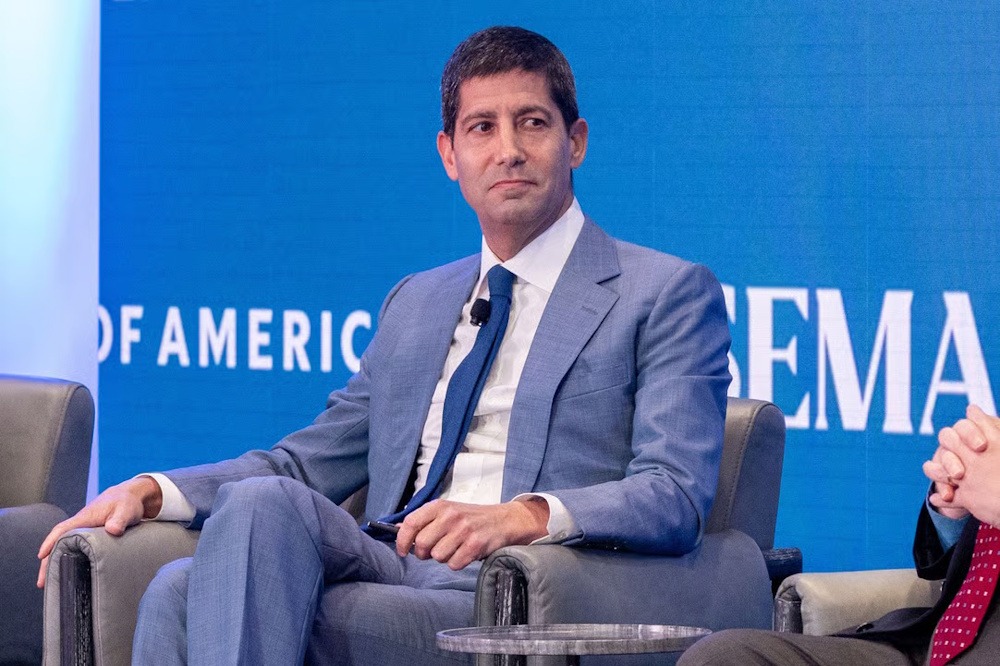
As Kevin Warsh assumes leadership at the Federal Reserve, bond investors are wagering that he will emphasise the central bank’s commitment to combating inflation rather than yielding to President Donald Trump’s advocacy for reduced interest rates. With the conflict in Iran triggering the most significant inflation increase since 2023, market participants are anticipating that the Federal Reserve is almost guaranteed to initiate interest rate hikes by December. That represents a significant turnaround from merely three months prior, when market participants were anticipating more substantial reductions.
The shift illustrates the influence of instability in West Asia, the robust performance of the US economy, and a surge in AI-related investments driving the stock market upward. These factors have contributed to apprehensions that inflation may persist above the Federal Reserve’s 2 percent target for an extended period. In a week characterised by market volatility, two-year Treasury yields, which are particularly responsive to expectations regarding Federal Reserve policy, reached a peak of 4.14 percent on Friday. This marks the highest level in over a year and is nearly 40 basis points above the upper limit of the Federal Reserve’s benchmark rate range.
Last week, thirty-year yields briefly reached 5.2 per cent, a level not observed since 2007, before declining to 5.06 per cent. Warsh takes the helm as an increasing contingent of Fed officials shifts away from their easing stance. Governor Christopher Waller, a Trump appointee who earlier this year advocated for rate cuts to protect the labour market, stated on Friday that the Fed’s next move is now equally likely to be a hike. A slew of policymakers, including Vice Chair Philip Jefferson and New York Fed President John Williams, are scheduled to speak this week. As Warsh took the oath of office on Friday, Trump, who has consistently urged the Fed to reduce borrowing costs, expressed his desire for Warsh to steer the central bank with independence.
Some investors, including Chitrang Purani are becoming increasingly optimistic about short-term Treasuries as yields increase and expectations for rate hikes are incorporated into market pricing. “I do believe that the bar to hiking rates is still reasonably high because this Fed and Warsh may want to be a little bit more patient before taking that next step to fully understand how inflation is translating into labor markets and financial conditions,” Purani said. “I personally don’t believe the Fed’s reaction function to economic data will be materially different under Warsh than it was in the past.” Alongside interpreting the insights of Federal Reserve officials, bond traders will direct their attention this week to the auctions of two-, five-, and seven-year Treasury notes to gauge investor demand.