AI might utilise 3% of global power by 2030

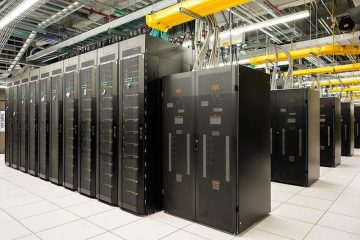
One argument frequently presented to address apprehensions regarding the escalating energy and resource requirements of data centres is that artificial intelligence models will necessitate less in the future as they advance and enhance their efficiency. However, this ostensibly rational reasoning is a pitfall, as indicated by a recent United Nations report that assesses the environmental expenses associated with AI. The report estimates that by 2030, AI’s energy use could double to consume 3 percent of the world’s electricity, produce emissions equivalent to those of the UK, and deplete more water for cooling than the annual drinking water needs of the global population. It also anticipates that the use of AI will adhere to an economic principle referred to as the “Jevons paradox,” which posits that when technological advancements enhance the efficiency of a resource, it results in an increase, rather than a decrease, in the overall consumption of that resource. The paradox is attributed to economist William Stanley Jevons, who noted this phenomenon concerning coal usage in 19th-century England. Efficiency gains did not lead to a reduction in overall consumption. Instead, the reduced costs led to an increase in utilisation and a rise in overall demand.
As AI models become more affordable and appealing, the report anticipates that this will stimulate new applications and increased usage, potentially diminishing and even eliminating any cost savings derived from efficiency improvements. To circumvent this pitfall, it delineates a framework for the responsible utilisation of AI, grounded in the guiding principles of transparency, efficiency by design, equity and justice, lifecycle responsibility, global cooperation, and sustainable use. Last year, data centres consumed an amount of electricity equivalent to that of Saudi Arabia, which holds the position of the world’s 11th largest electricity consumer. If electricity use doubles as projected by 2030, the associated carbon footprint would necessitate the growth of 6.7 billion trees over a decade to counterbalance this demand. Data centres would necessitate 9.3 trillion litres of water and occupy land nearly ten times the area of Mexico City. Beyond resource utilisation, the report highlights the systemic inequity inherent in the AI surge, with merely 32 countries possessing AI-specific cloud infrastructure, and a staggering 90 percent of that capacity concentrated in the United States and China.
It cautions about an expanding digital divide between countries that develop and manage AI systems and those that merely utilise them, with the latter frequently shouldering an unequal environmental impact resulting from mineral extraction and electronic waste Two primary factors influence the operational footprint of AI: the extent of its utilisation and the manner in which it is employed. This encompasses the full range of activities undertaken by AI models, including the generation of text and code, as well as the creation of images and videos. Each of these tasks necessitates varying degrees of computational effort. The selection of the model is significant, as each AI system executes these functions with varying energy and environmental expenditures. The report contends that responsible AI necessitates comprehensive governance across the entire value chain, encompassing mineral sourcing, recycling, and safe disposal. It necessitates a dual focus on capability and environmental stewardship – considering both the potential of AI and the imperative to safeguard the natural environment. This would entail integrating environmental disclosures as a standard component of AI development, applicable at both the model and task levels, while also factoring projected AI demand into climate and energy planning. Responsible AI is essential as nations are advancing and embracing AI within governmental and public sector frameworks.
In Aotearoa New Zealand, the government has initiated a national AI strategy alongside a public service AI framework. While the framework was informed by the OECD’s values-based AI principles, including inclusive and sustainable development, it lacks a mandate for environmental disclosures and does not have a regulator compiling data on energy use or emissions. Similarly, in Australia, enhancing public services is a component of the national AI strategy. For instance, the National Film and Sound Archive of Australia has developed Bowerbird, a machine learning-enabled mass audio and video transcription engine, aimed at documenting material. The Department of Veteran’s Affairs has developed a proof-of-concept tool to assess the potential of AI in expediting the processing of claims. Both countries adopt a considered “light touch” and principles-based regulatory framework for AI. However, this approach may neglect the escalating environmental costs associated with AI that cannot be mitigated through enhancements. The natural environment serves as a fundamental pillar for the economy, culture, and overall wellbeing. It ought to be at the core of our considerations. It is imperative to reevaluate the strategies surrounding AI innovation and redirect attention towards a sustainable technological future.