China’s factory activity stalls in May as demand drops and costs rise

China’s factory activity stagnated in May, with new export orders declining and input costs continuing to rise, according to an official survey released on Sunday. This development raises concerns about the potential loss of momentum in the world’s second-largest economy, even as there are areas of strength in services and high-tech manufacturing. The official manufacturing purchasing managers’ index decreased to 50 from 50.3 in April, aligning with the expectations set forth in a poll of economists and hovering around the pivotal 50-mark that delineates growth from contraction, as reported. It represented the lowest reading in three months and came after data released earlier in May indicated that China’s growth momentum had slowed in April, notwithstanding a rebound in exports. Supply improved while demand weakened, as the sub-indexes for production and new orders registered at 51.2 and 49.9 in the manufacturing PMI survey. New export orders declined more significantly, falling to 48.6 from 50.3 in April, intensifying the pressure on policymakers to diminish the economy’s dependence on foreign demand and bolster domestic consumption. “The slowdown in foreign demand was particularly prominent … mainly due to a marked contraction in the exports from the consumer goods manufacturing sector,” said Wen Tao.
Weakness in the property market, employment, and consumer spending continues to dampen growth, leaving China reliant on global demand to absorb goods produced by its manufacturing sector. The government of China has committed to tackling the imbalance between supply and demand, while also establishing a more modest GDP growth target for 2026, thereby creating greater flexibility for reforms. External pressures have intensified the strain on manufacturers. The US-Israeli conflict with Iran, which commenced in late February and resulted in the near-total blockade of the crucial Strait of Hormuz, has triggered a significant increase in energy prices, posing a risk to manufacturers’ profit margins as expenses escalate. The gauge for raw material prices in the manufacturing PMI survey registered at 60.5, a decrease from 63.7 in April. However, it remains significantly above the 50-point threshold, indicating that input costs are still on the rise, though at a decelerated rate. “The purchase price index remained in expansionary territory, showing that raw material prices continued to rise, which also kept prices at the product end increasing,” Wen said.
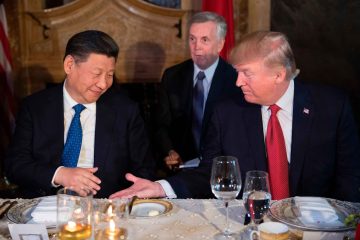
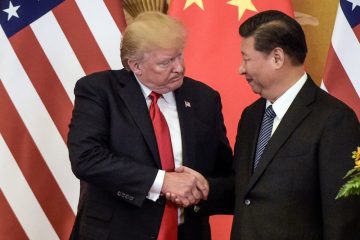
For Chinese manufacturers, external factors have exerted a disparate influence. The petrochemical sector and other upstream industries have faced significant challenges due to imported producer price inflation. However, stockpiling by buyers worried about additional cost increases, along with global demand for semiconductors and other AI-related goods, has provided support to advanced manufacturing. High-tech and equipment manufacturing demonstrated superior performance compared to the overall sector in May, recording PMI readings of 52.9 and 52.1, according to data. Activity in high-energy-consuming industries, meanwhile, experienced a contraction. A summit between Chinese and U.S. leaders in Beijing in mid-May did not yield an extension of the trade truce established late last year.
However, both parties consented to investigate potential tariff reductions on goods valued at approximately $30 billion from each side. The non-manufacturing PMI, encompassing services and construction, increased to 50.1 from 49.4 in April, according to data, bolstered by a significant rise in travel expenditure during the five-day May Day holiday at the beginning of the month. The services activity gauge improved to 50.3, its highest in nine months, suggesting that Beijing’s efforts to expand the services sector may be gaining traction as policymakers aim to counter sluggish demand for manufactured goods.