Bitcoin’s Bull Market Faces Inflation Test as Fed Rate Bets Shift
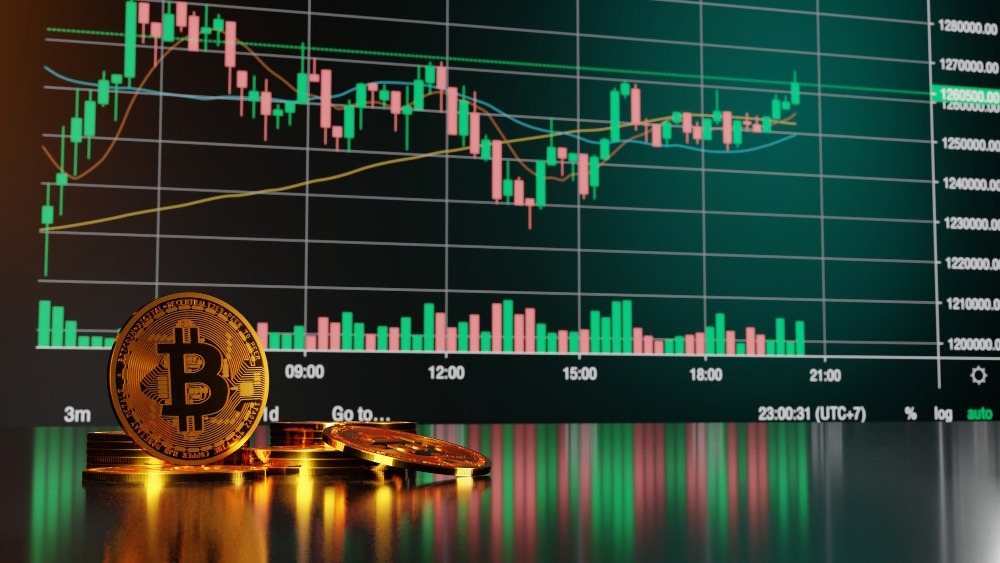
This week, inflation data was announced, and it exceeded forecasts, leading to a drop in the price of Bitcoin. It is not “fundamentally bearish,” according to James Butterfill, even though the biggest cryptocurrency has a challenging near-term scenario. The analyst said in a report that bitcoin is facing problems right now because of the fragile equilibrium in the macroeconomic landscape. On one hand, the Federal Reserve can’t be too accommodative because inflation is still too high, and on the other hand, the economy is resilient enough to prevent a change in policy.
“Bitcoin and the broader digital asset market have moved lower on the resulting hawkish repricing, a reminder of how sensitive Bitcoin remains to monetary policy over short horizons,” he wrote. The last price of Bitcoin was $81,473, showing a 2% decrease over the previous week. Wednesday saw a drop in the price of the most popular cryptocurrency after statistics showed that U.S. consumer prices climbed more than expected in September. U.S. producer prices rose in September at the fastest rate seen in more than four years, according to data released Thursday by the Bureau of Labour Statistics, which is part of the Labour Department.
Since the Federal Reserve may hike interest rates in response to high inflation, this has put downward pressure on the price of bitcoin. There may not be enough money to go around for the digital currency to have a surge if borrowing costs are too high. At the end of this month, the Federal Reserve is expected to meet after raising interest rates in September. Investors, Butterfill said, should be patient and look at the big picture rather than responding to a single piece of data point each week.
“For investors, that argues for reading the coming weeks as a data-driven range rather than a trend, and for sizing digital asset exposure against a strategic allocation rather than against this week’s print,” he wrote. Although Bitcoin went through a long bear market in the first half of 2026, the cryptocurrency had its best quarterly performance in years after a big jump in August and September. Trading above the 365-day moving average has led analysts to conclude that the leading cryptocurrency is once again experiencing a bull market.