LNG Supply Shock Threatens Asia’s Growing Gas Market
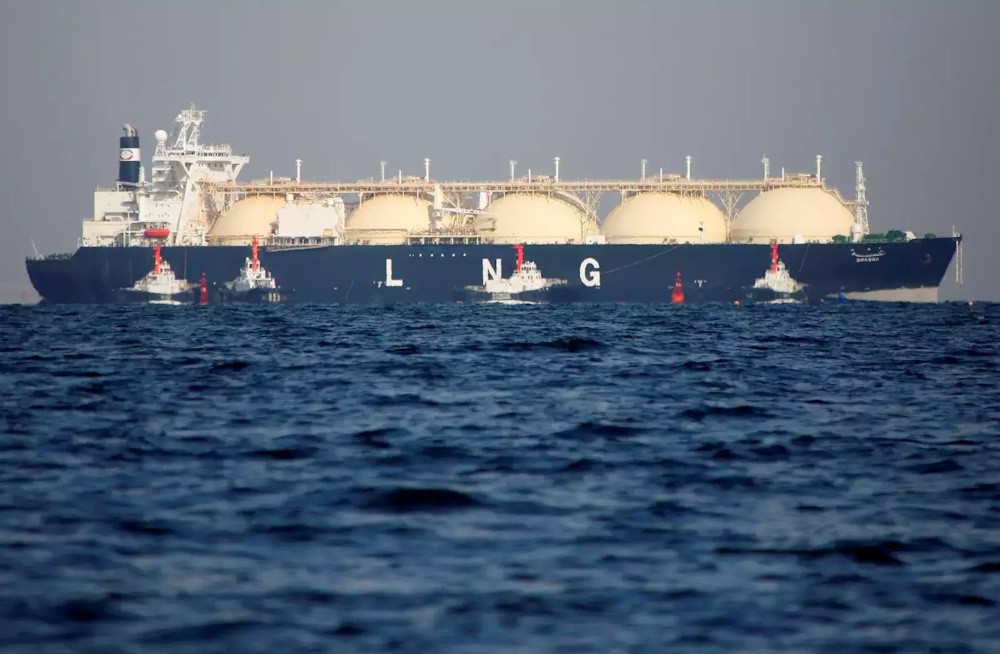
The US-Iran war has cut the supply of liquefied natural gas by a fifth, which is driving up costs for expanding markets in Asia and compelling a reconsideration of the fuel’s long-term viability in the area. Qatari shipments of LNG via the Strait of Hormuz have nearly ceased since the onset of the conflict at the end of February. That has deprived Asian buyers of contracted supply of the power-station and industrial fuel, pushing them into the spot market where prices are surging. The major non-China emerging-market Asian buyers – India, Pakistan, Bangladesh, Thailand, and Vietnam – have collectively expended $7.4 billion on spot LNG since the onset of the war, as per an analysis of purchase tenders. A comparable quantity of the fuel incurred expenses of approximately $3.1 billion under long-term contracts during the corresponding period last year. The significant increase in costs poses a risk to the perception of LNG as a dependable energy source, particularly given that it follows closely on the heels of another conflict – the one between Russia and Ukraine – which similarly resulted in shortages and a surge in prices.
The crux of the problem lies in the immediate necessity for petrol among countries, as a rapid alteration of their energy mix poses the risk of blackouts. In the longer term, however, a significant number of them are actively seeking strategies to reduce their dependence on LNG. Renewables such as solar and wind, along with coal, nuclear energy, or locally sourced gas or piped supply, represent a range of available options. “If prices remain at such levels, we think that LNG will have a problem competing with the alternative fuels,” Fabian Kor said at a conference in Singapore last week. At stake are billions of dollars of investments in what, until this year, was the fastest-growing fossil fuel, playing a crucial bridging role in the transition from dirtier coal to renewable energy sources. Shell Plc, a leading producer, indicated in an August report that it anticipates LNG demand will increase by 65% by 2050, primarily fuelled by growth in South and Southeast Asia. Whether that remains a feasible objective will be deliberated at Gastech – the preeminent conference for the global LNG sector – in Bangkok this week.
Thailand, this year’s host, has unveiled a long-term energy strategy aiming for at least 65% of its electricity to be sourced from renewables by 2050, a shift that will partially reduce reliance on natural gas. Solar is increasingly appealing for certain developing Asian nations, particularly as battery prices have declined by over 30% in the past four years. Pakistan, previously regarded as a burgeoning LNG market, is expected to boost its solar and hydropower generation in light of the direct repercussions from the Hormuz disruptions, according to Akshay Modi. Meanwhile, Bangladesh, having invested more than $2 billion to compensate for the lost Qatari LNG volumes, is implementing incentives for consumers to adopt solar panel installations. According to BNEF’s Modi, Vietnam and the Philippines may find themselves reverting to coal as a viable energy source. Consumption of the dirtiest fossil fuel is poised to reach a record high this year, driven by increased demand stemming from elevated gas prices and a robust El Niño phenomenon that is enhancing air-conditioning usage, as reported by the International Energy Agency. The ongoing conflict in the Middle East is prompting nations to seek alternative suppliers to Qatar, which previously accounted for approximately 20% of the super-chilled fuel prior to the outbreak of hostilities.
Approximately 80% of LNG purchasers anticipate altering their procurement strategies, placing a greater emphasis on geographical diversification in the coming years, as indicated by a survey conducted by McKinsey & Co. Such a development may enhance the attractiveness of initiatives that have direct access to the Asian market. TotalEnergies SE and Exxon Mobil Corp. are working to progress Papua LNG in Papua New Guinea, with a final investment decision anticipated later this year. The United States and Canada may also experience advantages. Years of elevated prices have already constrained the adoption of LNG. Over the past five years, approximately 47 proposed gas-fired power plants, amounting to $52 billion, have been either cancelled, withdrawn, or demonstrated no advancement in countries such as the Philippines, Thailand, and Vietnam, as reported. “If you look back a decade ago at industry forecasts, they were saying that LNG to power was going to be the main source of demand growth,” said Sam Reynolds. “One geopolitical conflict is a really negative thing. A second geopolitical conflict is a pattern. And that is, fundamentally, being recognized by Asian countries.”