Hormuz Shipping Halts After New US Strikes
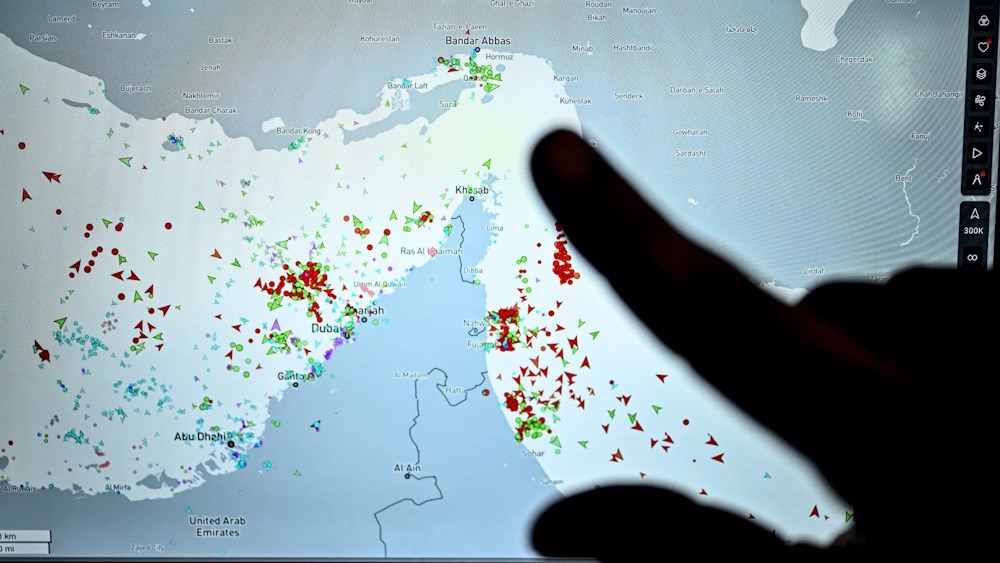
Traffic through the Strait of Hormuz experienced a significant slowdown on Thursday, following the US’s military actions against Iran for the second consecutive day, as the tenuous ceasefire between the two nations appeared to be deteriorating. Observable movements in the world’s most vital energy conduit largely occurred along an Iran-approved route nearer to the waterway’s north, while the US-supported Omani corridor remained quiet, according to ship-tracking data. Among larger vessels, only a US-sanctioned supertanker departing from the Persian Gulf was observed in the strait, accompanied by an Iranian-flagged container ship.
It is conceivable that certain vessels might be navigating with their transponders deactivated, nonetheless. The slowdown follows a series of Iranian assaults on vessels that led to US military responses, coinciding with President Donald Trump’s declaration that the ceasefire with Iran has ended. On Wednesday, a total of 14 commodity carriers traversed the strait in both directions, marking the lowest number since the interim peace agreement was established in mid-June.
It represents a significant departure from the recent patterns of daily activity in the strait. In the three weeks following the agreement between the US and Iran to implement an interim deal for the reopening of Hormuz, the average daily transits of commodity vessels stood at 34, reaching a peak of 59 on June 24, according to data. That stands in contrast to a wartime daily count of fewer than 20 on the majority of days. While liquefied natural gas tanker traffic through the strait has remained stagnant, two empty vessels have recently made their way into the Gulf of Oman and are now proceeding toward the eastern entrance of Hormuz.
Signs of sporadic electronic interference have reemerged, as vessels located to the southeast of Limah in Oman, within the Gulf of Oman, were observed travelling at unusually high speeds of at least 30 knots early on Thursday. That could indicate nations deploying defence systems designed to thwart hostile forces’ drones from targeting their infrastructure, potentially impacting ships’ transponder signals. Electronic interference may also impact ship-tracking data.